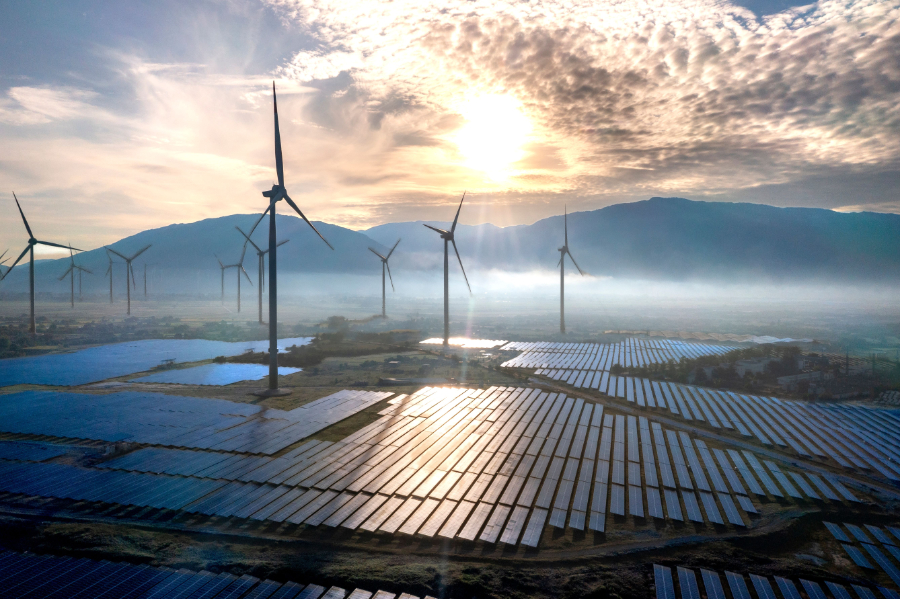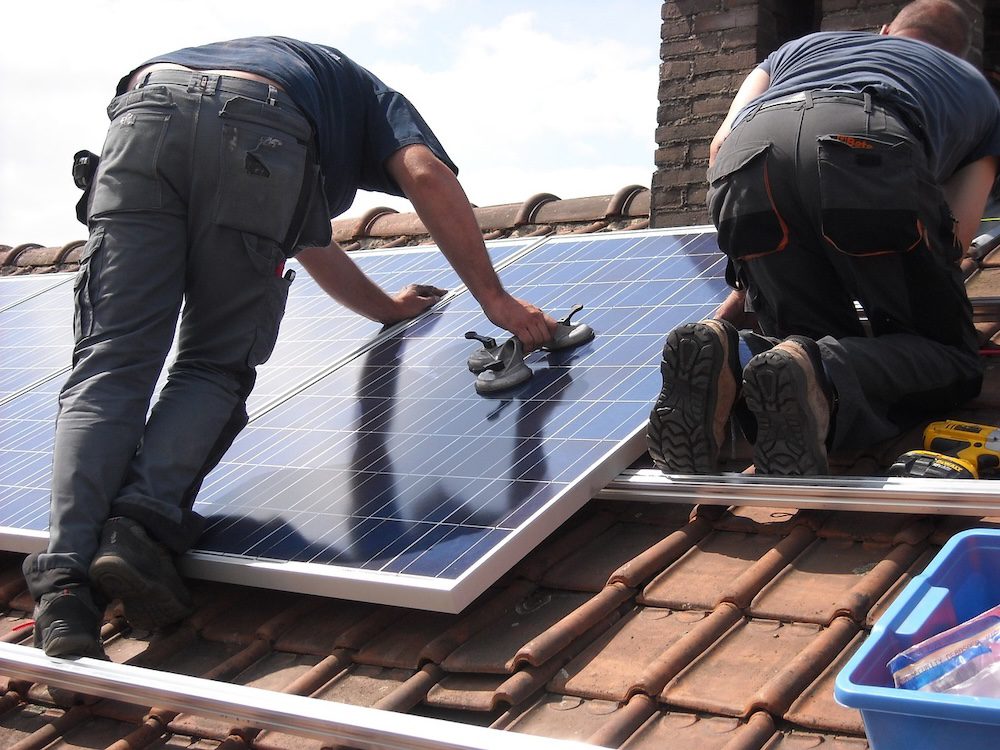
Some 76% of Germans support expanding the country’s solar energy capabilities to ensure energy security, a new study by the forsa opinion research institute, commissioned by the German Federal Environmental Foundation (DBU), has found.
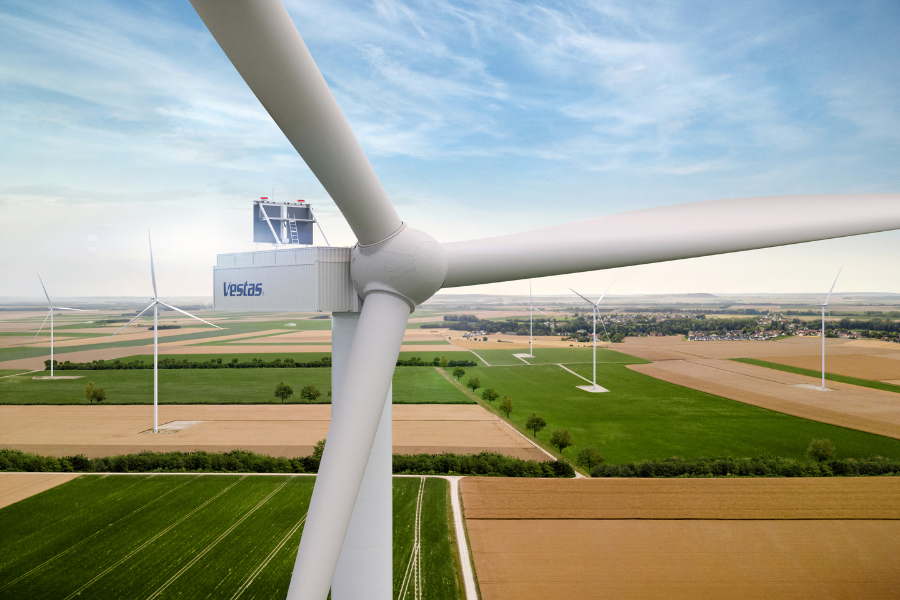
The survey of 1,000 respondents aged 18 or over found that 70% would support an expansion of wind energy capacity, while 66% would be in favour of hydrogen-powered green energy sources.
Just 29% expressed support for nuclear energy, while even fewer saw a role for gas (13%) and coal (5%).
The survey was carried out amidst increased discussions in Germany over the need to enhance energy independence and reduce reliance on imports, including the possible revival of the country’s nuclear power capacity.
‘Enormous importance’
“The question of which energy sources should be used more in Germany in the future is of enormous importance due to geopolitical events,” commented DBU secretary general Alexander Bonde, who noted that Germany’s exit from nuclear power in 2023 plays just as much of a role “as Russia’s terrible, still ongoing war of aggression against Ukraine”.
He added that the survey makes one thing clear – that the “future of energy supply belongs to renewable energies. At the same time, they are the guarantee for more environmental protection. The majority of Germans have recognised this.”
Difference in attitude
The survey highlighted a number of differences in attitudes across age groups. Solar energy received broad support across all demographics, with over 70% approval in each group. Among those over 60, 79% endorsed greater use of solar power, compared to 73% to 75% in younger groups.
Support for wind energy was highest among 18- to 29-year-olds (78%), but declined among older groups, with 67% approval among 30- to 44-year-olds, 63% among 45- to 59-year-olds, and 72% among those over 60. Meanwhile, nuclear energy was viewed skeptically across all age groups, with the highest approval (32%) among those over 60.
The survey also revealed minimal support for coal, with between 2% and 7% of respondents in any age group favouring further investment in this area. Gas was viewed slightly more favourably, but still by only 11% to 15% of respondents across the different age categories.
‘When asked which energy sources should be used more in Germany in the future to increase independence from energy imports and avoid supply bottlenecks, a clear majority of Germans are in favour of greater use of renewable energies – and not nuclear power,’ the DBU noted. Read more here.