Op-ed by Emilie Olderskog, global head of sustainability, Elopak.
This week, delegates from around the world will converge in Nairobi in the latest bid to revive negotiations for a Global Plastics Treaty.
More than four years since the High Ambition Coalition to End Plastic Pollution was formed with the objective of developing an international legally binding agreement to end plastic pollution by 2040, it would be easy to feel pessimistic.
After all, the original deadline of 2024 has long since passed and the most recent round of talks in Geneva last year failed to produce a decisive outcome. And yet, while an outcome is overdue, it is not beyond reach. In fact, opponents to a Global Plastics Treaty are rapidly running out of excuses.
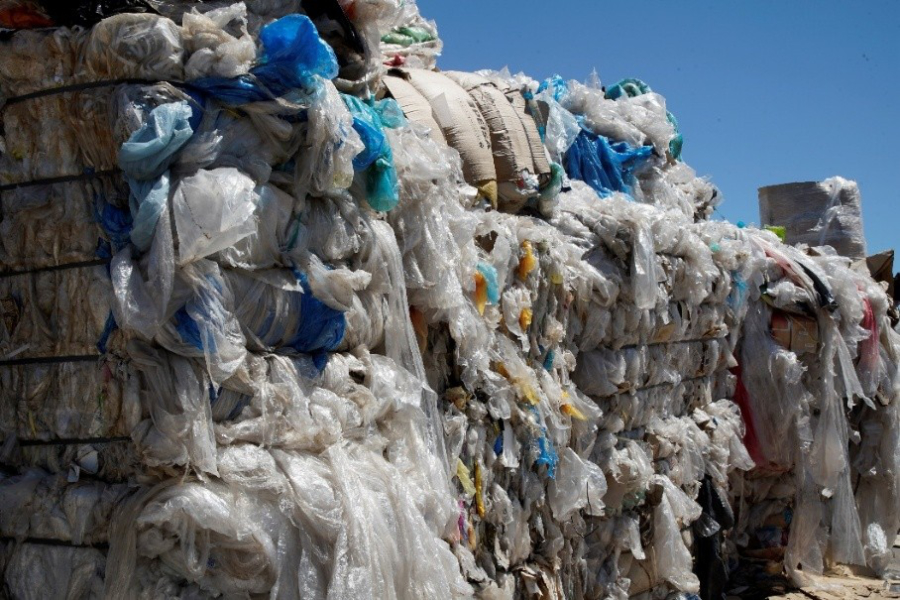
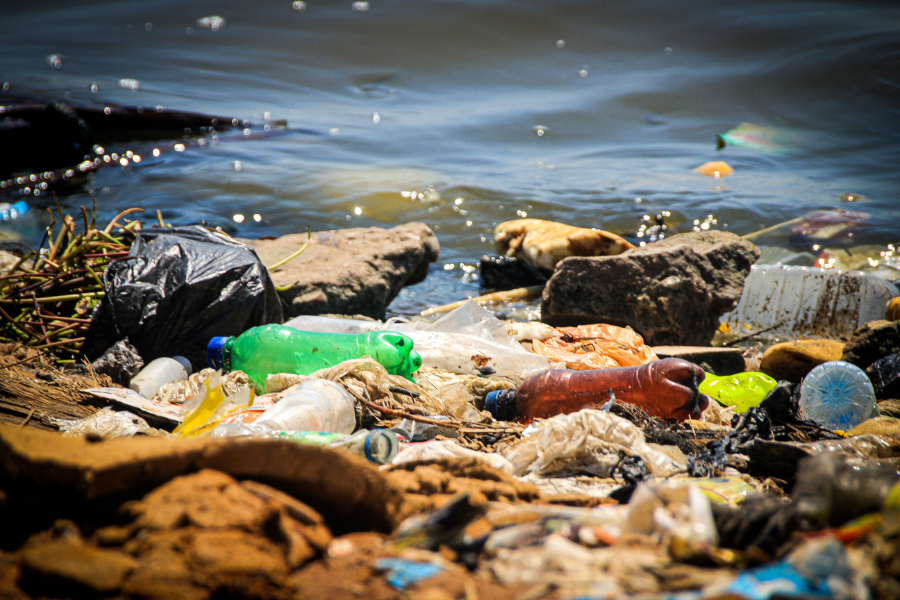
The scale of the plastics problem is widely documented. Nearly eight billion tonnes of plastic has been produced globally since 1950, of which only 10% has been recycled.
According to the Organisation for Economic Co-operation and Development (OECD), annual plastics production, use and waste generation are projected to increase by 70% in 2040 compared to 2020 unless definitive action is taken.
In recent years, various initiatives have been undertaken at the national and regional level to tackle the scourge, including the European Union’s Single Use Plastic Directive which entered into force back in 2021 and the Packaging and Packaging Waste Regulation (PPWR), which is applicable as of 12 August 2026.
At least 91 countries have now banned plastic bags, following Bangladesh’s historic decision to become the first country to do so in 2002. Nonetheless, the scale of the problem requires a global response, which is where the Global Plastics Treaty comes in.
Global Plastics Treaty
In 2022, 175 countries agreed on the need for a legally binding treaty to tackle waste and emissions from plastics. With a new roadmap issued earlier this year, now is the time to double down on these efforts, not pull back. Momentum must be regained to ensure it is third time lucky.
Opposition to a Global Plastics Treaty has tended to rest on a familiar set of arguments: that alternatives are not yet viable at scale, that costs remain prohibitive, and that global consensus is too complex to achieve.
While each of these concerns once carried weight, they are increasingly outdated. It is time to push back against these excuses and remove the veil behind which commercial interests tied to plastic production have pushed their agenda.
Grounds for optimism
As discussions continue in Nairobi, there are grounds for optimism. There is strong industry support for a cap on plastics, particularly among those who want to see the playing field levelled.
Cost concerns have long been cited as a problem, but recent market developments challenge this assumption. Increases in plastic prices stemming from conflict in the Middle East have exposed plastics not only as an environmental liability, but also as a business risk, underscoring the need to accelerate the transition to more sustainable alternatives.
Cost, and cost predictability, has historically been a barrier for many firms looking to make the sustainable choice but worried about losing consumers on pricing. With low-density polyethylene (LDPE) prices in Europe up almost 70% in the first five months of 2026 compared to the beginning of 2025, that calculation is changing.
Signs of a shift are already emerging. For example, earlier this month, major retailer Carrefour announced plans to cut more than 5,000 tonnes of plastic from its packaging, in response to higher virgin plastic prices.
At the same time, environmentally focused consumers are increasingly interested in reducing their plastics consumption, and sustainability has become an established factor that routinely influences purchasing behaviour.
A 2024 PwC consumer survey found that consumers are willing to spend 9.7% more, on average, for sustainably produced or sourced goods, with around 85% of respondents reporting that they have experienced the impacts of climate change in their daily lives.
Proven alternatives
In practical terms we know it is often possible to meet this demand and that the argument that alternatives are not yet viable is increasingly outdated.
Investment in sustainability-focused innovation in recent years has delivered plenty of examples of practical and proven alternatives for everyday products, many of which are already available, widely used and accepted by consumers.
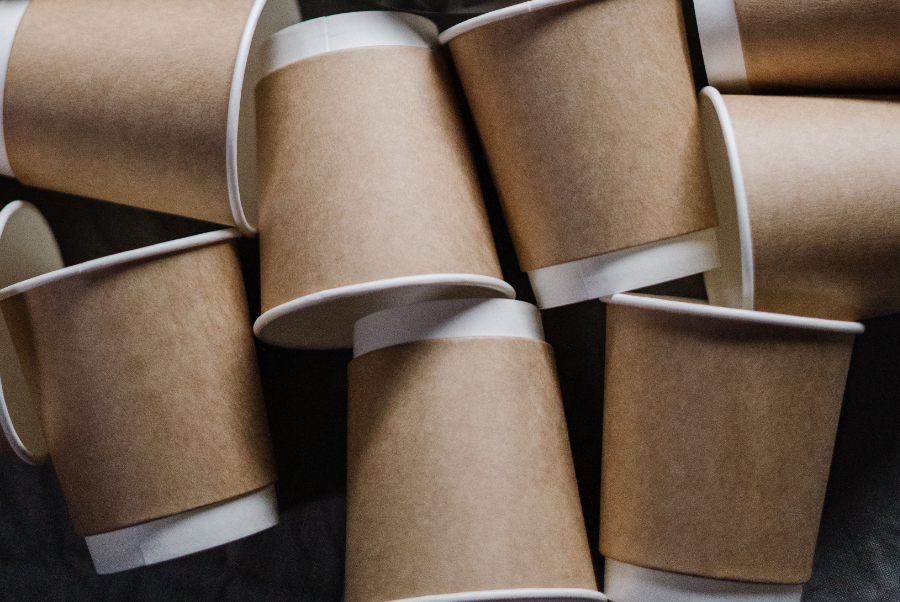
When it comes to packaging, which accounts for around 40% of plastic produced, some companies in sectors from dairy to personal care have switched from plastic to paper-based solutions as part of efforts to reduce plastic use, as well as greenhouse gas emissions.
Building consensus
There is still a lot of work to be done to build consensus, and the focus must be on delivering a treaty that works in practice. A treaty shaped by the present but ambitious for the future. This requires addressing the elephant in the room when it comes to the investment in infrastructure necessary for success and how best to accommodate the different starting points at which countries find themselves. Establishing mechanisms for accountability will also be integral to its long-term success.
While past efforts have failed to deliver a treaty to date, with a new roadmap in place there is a fresh opportunity to make tangible progress in 2026 that makes a real difference from the shelves to the shores. The time for excuses is up.