AI-enabled ‘smart grids’ helping to accelerate the green energy transition
AI-enabled smart grids are helping to 'revolutionise' how energy is produced and distributed, in turn helping to fuel the green energy transition, a new report by GlobalData has found.

AI-enabled smart grids are helping to ‘revolutionise’ how energy is produced and distributed, in turn helping to fuel the green energy transition, a new report by GlobalData has found.

According to GlobalData’s report, Smart Grid: Strategic Intelligence, AI is ‘profoundly transforming grid ecosystems, optimising operations, bolstering reliability and strengthening resilience’, enabling utility providers to enhance efficiency, adaptability and robustness, and transition more effectively to renewable energy sources.

‘Driving investment’

“Government initiatives, renewable integration, the demand for a more resilient and efficient grid, and technologies such as smart metres, AI, and IoT are driving investment in the power transmission market,” commented Rehaan Shiledar, power analyst at GlobalData.

“Global transmission investment in 2025 stood at $378.3 billion, increasing by 10.1% over 2024. The investment was primarily in substations at $274.3 billion, followed by transmission lines at $104 billion. The transmission investment is estimated to grow from $378.3 billion in 2025 to $586 billion in 2030 at a compound annual growth rate (CAGR) of 9.2%.”

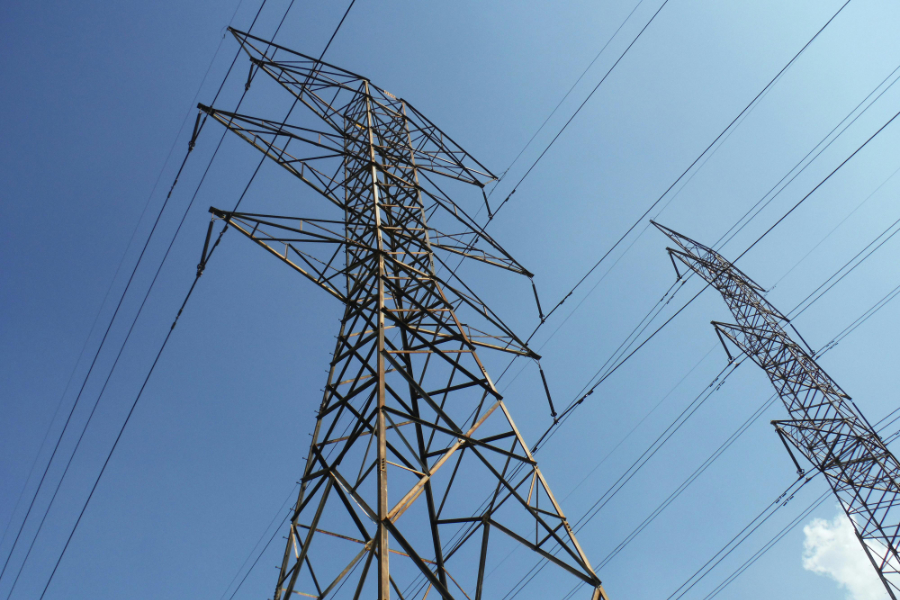
Smart grids combine AI and digital technologies with physical infrastructure, using sensors, connected devices and data systems to monitor and manage electricity networks.

Firms that are utilising this approach include Solcast and RisingStack, which are using satellite imagery and forecasting models to estimate solar generation, helping operators manage variability and plan reserve capacity.

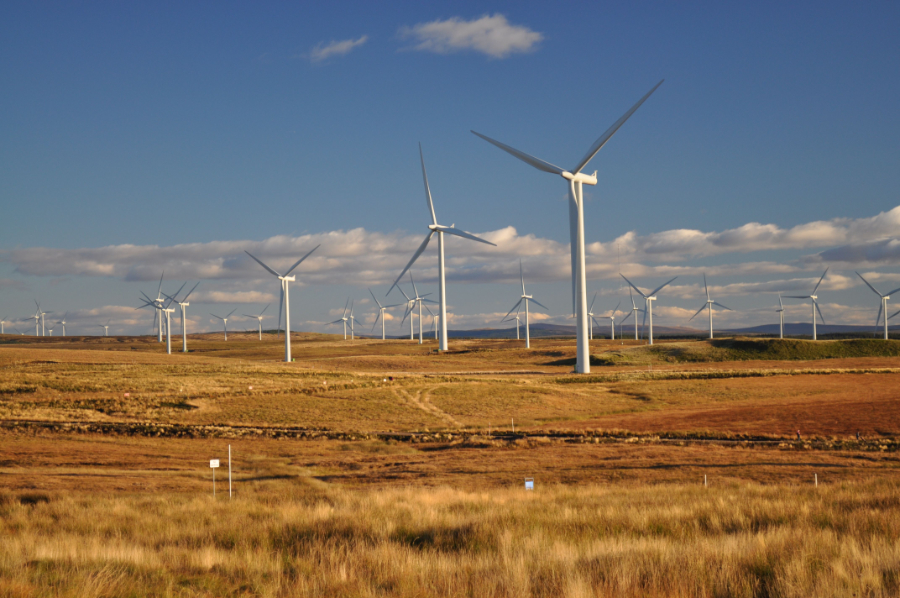
Elsewhere, at the Hornsdale Wind Farm in Australia, AI systems are being employed to analyse atmospheric and operational data to improve forecasting of wind output.

Investment in transmission infrastructure is increasing alongside the adoption of these technologies, GlobalData noted – global transmission investment reached $378.3 billion in 2025, with spending focused mainly on substations and transmission lines. This investment is projected to grow to $586 billion by 2030.

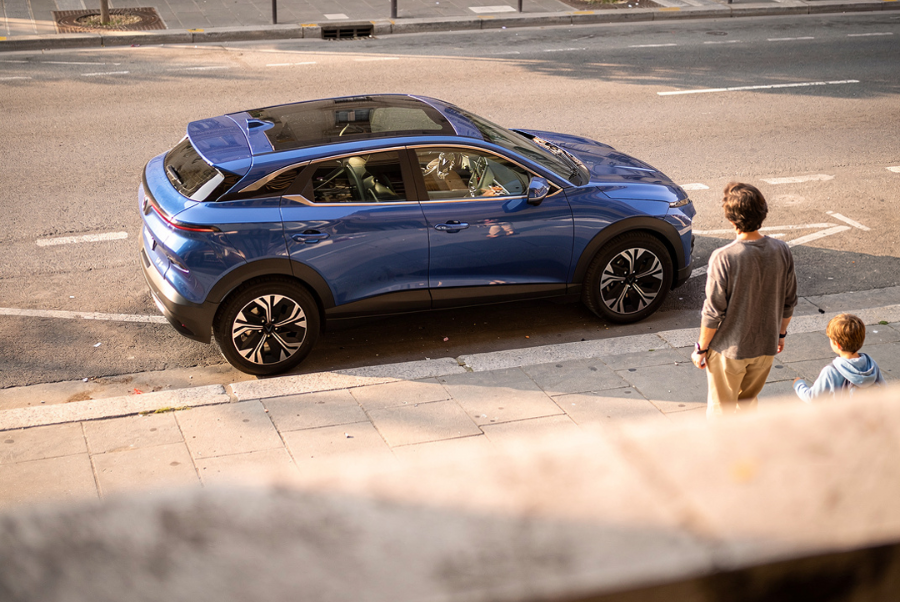
Other technologies, such as digital twins, are also contributing to changes in grid performance, while the rise of electric vehicles is described as a ‘pivotal driver’ in smart grid evolution.

‘Adaptive, efficient and sustainable’

“Smart grid technologies are transforming the power sector by making electricity systems more adaptive, efficient, and sustainable,” Shiledar added. “Smart meters and sensors enable real-time monitoring of power flows, helping utilities better balance supply and demand and reducing energy waste.

“As renewable energy grows and electrification spreads through EVs, heat pumps, and more, the grid must evolve. Smart grid tools drive this evolution through automation, digital intelligence, and two-way communication. In essence, these solutions bolster energy security, cost efficiency, and ecological integrity, fostering a truly sustainable energy ecosystem.” Read more here.

Discover more from Sustainability Online

Subscribe now to keep reading and get access to the full archive.

Continue reading