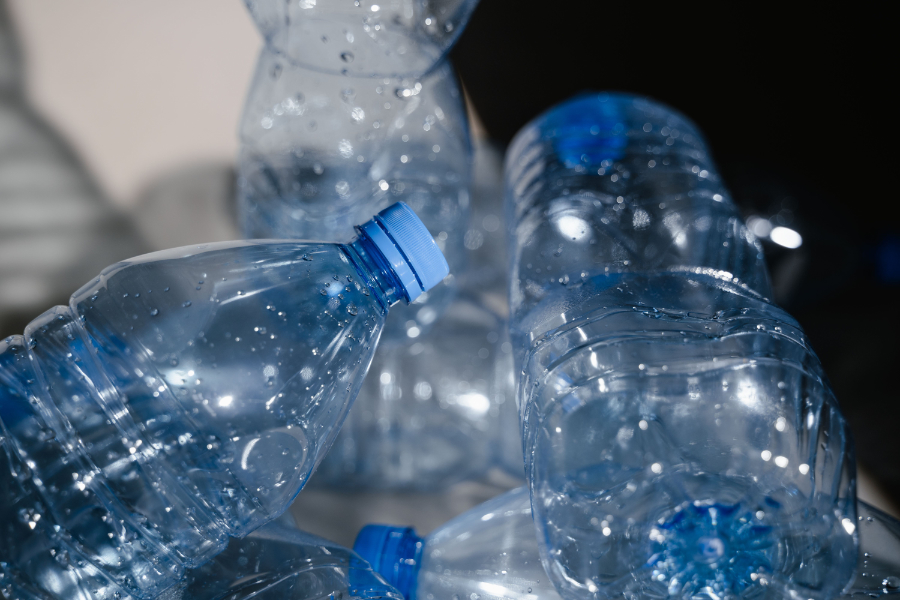
The EU Packaging and Packaging Waste Regulation (PPWR) entered into general application on 12 August 2026.
The regulation, which seeks to tackle the environmental challenges caused by packaging and make Europe less dependant on fossil fuel-based packaging, introduces requirements covering manufacturing, composition, reuse, recoverability and waste management.
The measure also introduces restrictions on PFAS in food-contact packaging, meaning packaging containing PFAS above strict limits can no longer be placed on the EU market, as well as outlining specific requirements around labelling, which will come into force at a later date.
According to the European Commission, the regulation applies to all packaging and packaging waste regardless of material or origin.
‘Investment in Europe’s future’
“The new Packaging and Packaging Waste Regulation is an investment in Europe’s future: it will help reduce waste, increase recycling, make food-contact packaging safer for the consumers by limiting harmful substances such as PFAS, and reduce our dependence on virgin raw materials,” commented Jessika Roswall, Commissioner for Environment, Water Resilience and a Competitive Circular Economy. “These are essential steps towards a truly circular economy.
“At the same time, the Regulation will replace fragmented national rules difficult to navigate for economic operators in the internal market. But new rules also come with adjustment costs, and we have worked intensively with market operators to implement the new rules in a pragmatic and unbureaucratic way.”
‘Common framework’
Manufacturers have been gearing up for the introduction of the PPWR for some time, with Sweden’s Duni Group welcoming the ‘common framework’ that the regulation will provide for Europe’s packaging market.
“PPWR sets the direction, but it is up to the industry to develop the solutions needed to reach the goals,” commented Erik Lindroth, Duni’s sustainability director.
“It is not only about new requirements for products and materials; the regulation also represents a shift in how responsibility for resource use and circularity is distributed along the value chain. At the same time, harmonised rules within the EU create more equal competitive conditions and make it easier to develop solutions for the European common market. This provides better conditions for long-term investments, innovation and new business models.”
The PPWR entered into force on 11 February 2025. The Commission is confident that the measure can ‘significantly reduce greenhouse gas emissions, water use and environmental costs in the packaging sector, while saving businesses substantial compliance costs in the medium term’, it added. Read more here and here.