European truck and bus manufacturers have ‘reaffirmed their commitment’ to the zero-emission transition, and have called on EU policymakers to address barriers to the adoption of zero-emission commercial vehicles (ZEVs), the European Automobile Manufacturers’ Association (ACEA) has said.
The ACEA said that zero-emission vehicles from European truck makers are currently available in series production but the current ZEV market share stood at just 2.5% (> 16 t) for the first nine months of 2026.
As a result, the transition is ‘not yet on track’ to meet the bloc’s 2030 emissions targets for heavy-duty vehicles.
In addition, the ACEA said that the market remains ‘highly fragmented’ across Europe – in the Netherlands and Sweden, one in ten new trucks is zero-emission, while in Poland, Italy and Spain, the figure is fewer than one in 300.
‘Strong business cases’
“For transport operators, every kilometre, every tonne of payload and every euro in operating costs matters,” commented Karin Rådström, CEO of Daimler Truck and chair of ACEA’s commercial vehicle board.
“The vehicles are ready, but customers need strong business cases to operate them. Europe’s policies must reinforce each other to make zero-emission transport the obvious choice for operators, rather than pulling in different directions.”
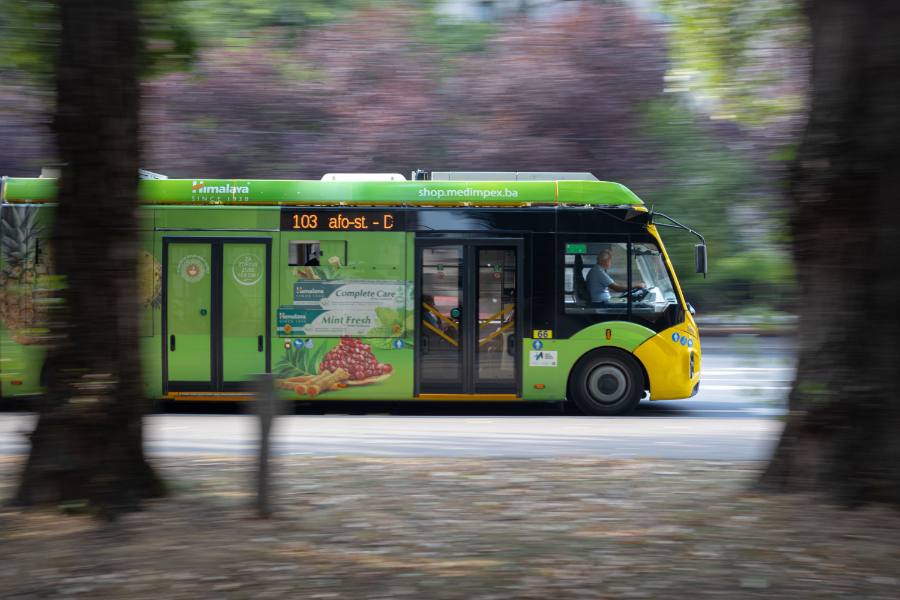
As the ACEA noted, more than 60 zero-emission truck models and more than 25 bus and coach models are currently on the market, however the decision to switch to zero-emission vehicles depends on their commercial viability for transport operators.
Operators need to consider factors such as energy and carbon pricing, payload capacity and operational efficiency when deciding whether electric trucks can compete with diesel vehicles when it comes to everyday operations.
The ACEA has called for changes to the EU’s proposed revision of the Weights and Dimensions Directive, arguing that zero-emission trucks should not lose payload capacity or face operational restrictions that increase operating costs.
Elsewhere, the association is calling on policymakers to agree to higher axle weight limits and higher total weight allowances for truck configurations used in a large proportion of European freight operations.
EU Emissions Trading System
It also called for the 2028 launch of the EU Emissions Trading System 2 (ETS2), which will introduce carbon pricing for road transport, to remain on schedule.
‘Taken together, these measures will shape the economics of zero-emission transport for years to come,’ the ACEA noted. ‘Aligning them is essential not only to achieving Europe’s climate targets but also ensuring that the transition works for the businesses expected to deliver it.’ Read more here.