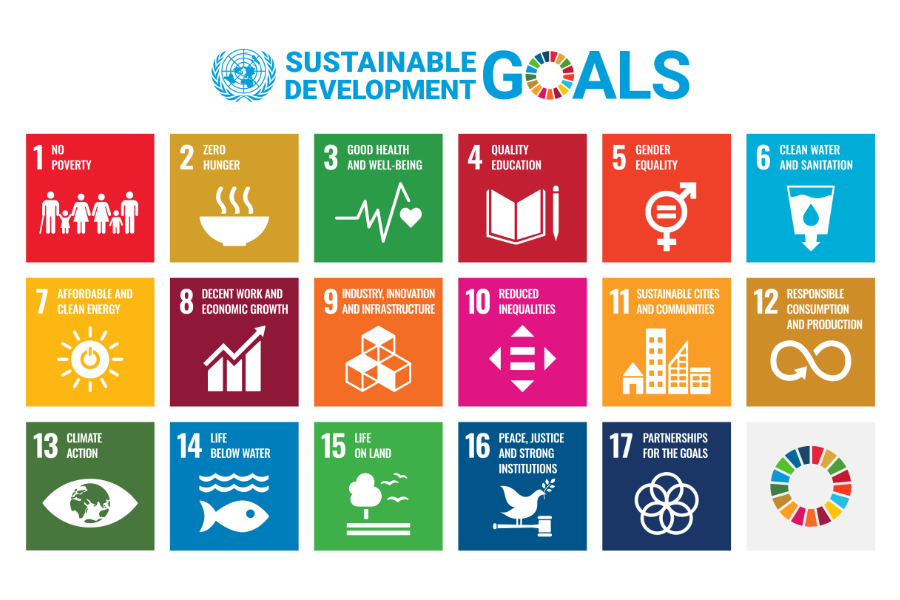
A new research paper has shed light on how the adoption of Internet of Things (IoT) technology is accelerating progress toward the United Nations’ Sustainable Development Goal 11, regarding sustainable cities and communities.
The report, Advancing sustainable cities and communities with internet of things: Global insights, trends, and research priorities for SDG 11, which was published in Results in Engineering, examined 6,334 academic publications spanning from 2010 to 2024 and found that IoT and other smart technologies are playing a key role in reshaping day-to-day life in urban centres, including tackling climate resilience.
‘Complex urban problems’
As the study found developing nations such as China, India, and Saudi Arabia are leading when it comes to IoT-SDG 11 research, driven by the urbanisation challenges in these countries.
‘The developing world, in general, is hugely advancing in handling challenges such as urbanisation, population growth, and increasing adoption of smart city initiatives that promise a new direction toward solving these complex urban problems,’ the authors, Shaher Zyoud of Palestine Technical University and Ahed Zyoud of An-Najah National University, noted.
‘Targets in SDG 11 have commanded considerable attention within IoT research, including safe and affordable housing (11.1), affordable and sustainable transport systems (11.2), inclusive and sustainable urbanisation (11.3), and reduction in cities’ environmental impact (11.6). Less attention, however, has been paid to other targets, notably 11.4 on protection of cultural and natural heritage, 11.5 on reducing the adverse per capita effects of natural disaster impacts, with a focus on vulnerable populations, and 11.A on supporting least developed countries for sustainable and resilient building.’
Urban innovation
IoT-enabled technologies that are helping to shape the future of urban innovation, according to the study, include intelligent transportation systems (ITSs), smart buildings, and IoT-enabled drones for traffic monitoring, disaster response, and smart agriculture.
It also highlights the need for ethical, green IoT models to ensure that sustainability is integrated at the design level.
However, the researchers also raise a number of concerns, including that data security, fragmented markets, and inadequate infrastructure pose significant barriers to widespread adoption, particularly in the Global South. Regulatory frameworks and sustained investments will be crucial in addressing these issues.
‘Continuous efforts in IoT research are likely to continue propelling SDG 11 and other related SDGs forward,’ the researchers state. ‘The study has pointed out that IoT-SDG 11 research is a multidisciplinary platform, and the leading role is played by such fields as computer science and engineering. The identification of key themes, including smart cities, ITSs, housing, and urbanisation, indicates the broad scope of IoT applications in reaching the targets of SDG 11.
‘Future research will need to focus on the full realisation of IoT’s potential for achieving the SDGs by embedding ethical, social, and environmental considerations.’ Read more here.