A new report by RMI, Locking in Prosperity, has set out ten practical actions that countries can take to ‘accelerate the clean energy transition while delivering affordable, reliable, and secure electricity’.
Launched at COP31, the report draws on 20 case studies across 15 countries, demonstrating how existing technologies and policies can help countries make progress in areas such as renewable energy, battery storage, grid modernisation and energy efficiency within 12 months.
‘Practical actions’so
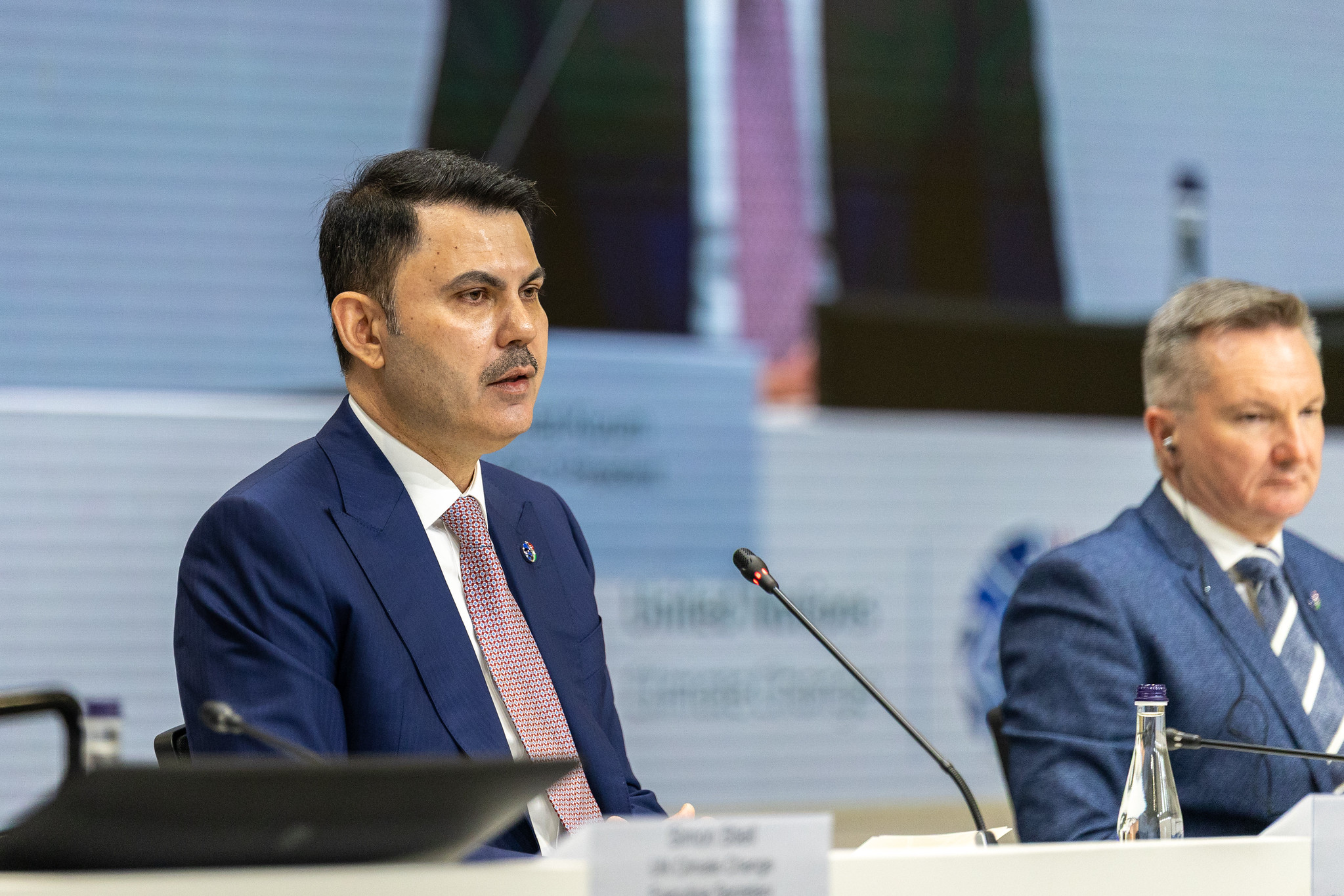
“Energy leaders around the world are showing that practical actions taken today can lower costs, improve reliability, and strengthen energy security, often in months rather than years,” commented Mark Dyson, managing director of the electricity programme at RMI. “Those near-term wins can also make the bigger investments that follow smarter, faster, and less risky.
“Perfect forecasts aren’t necessary to make progress, and uncertainty is not a reason to stand still.”
As the report notes, global solar installations reached 3TW in 2025, with 660GW added during the year. Installed battery storage capacity, meanwhile, has increased elevenfold since 2021 to approximately 300GW.
Case studies
The report highlights a number of case studies of where practical actions have been utilised to bolster the capacity of existing power lines without building new infrastructure.
As it notes, a distributed solar rollout in Brazil now serves approximately nine million consumer units, while in the UK, electricity connection reforms have reduced the project backlog by around 60%. In Puerto Rico, meanwhile, a virtual power plant coordinating more than 110,000 distributed batteries helped maintain critical electricity reserves during 18 high-risk days.
RMI groups its recommendations under four themes:
- Plan: Improve energy planning by accounting for uncertainty in electricity demand and fuel costs, as well as clearing stalled projects from grid connection queues;
- Modernise: Expand energy-efficient cooling and electric vehicles, while encouraging large electricity users, including data centres, to reduce demand during periods of grid stress;
- Balance: Strengthen reliability through energy storage and grid technologies; and
- Secure: Diversify energy supplies to reduce exposure to volatile fuel markets.
The report emphasises that near-term action can ‘build the foundation for longer-term investments, helping countries meet growing electricity demand while strengthening economic competitiveness and reducing emissions’, RMI noted. Read more here.