A tranche of countries, including the UK, Uruguay, Belgium, and Sweden, have pledged to increase global energy storage capacity sixfold by 2030, achieving 1,500 gigawatts.
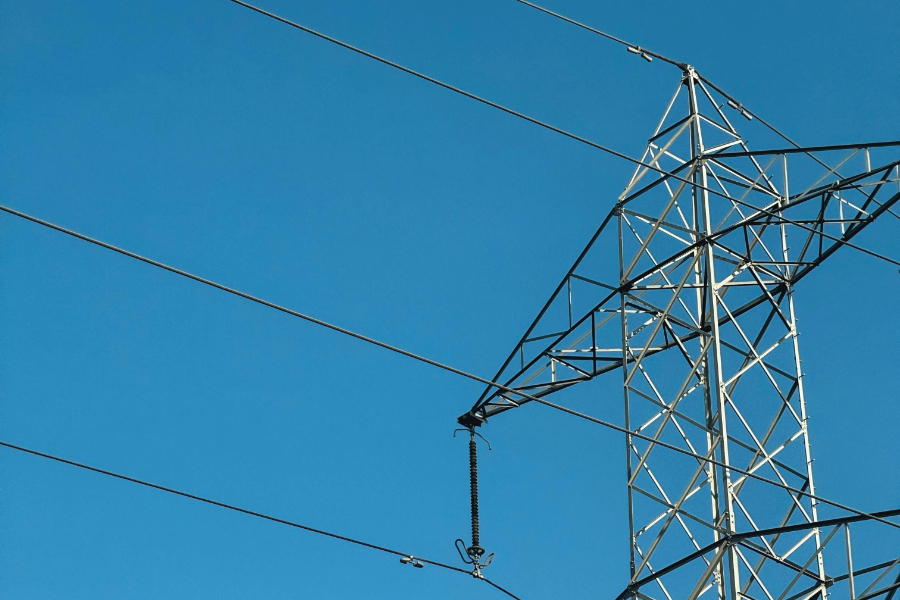
The countries made the announcement at COP29 in Baku, where they also committed to either add or refurbish some 80 million kilometres of electricity grids by 2040.
The announcement by the countries builds on commitments made by 133 countries at COP28 in Dubai last year to triple renewable energy capacity and double energy efficiency rates by 2030, and sets the tone for the second week of the Azerbaijan summit, when the issue of climate finance is set to come to the forefront.
Energy transition commitments
Commenting on the pledge, Jennifer Layke, global director, energy, World Resources Institute, said, “Energy storage and the power grid are essential for clean energy delivery but for too long they were not on the political agenda. This declaration signals that policymakers are committed to following through on their energy transition commitments and delivering clean energy to people.
“Now, countries should make these pledges a reality by including specific goals for storage and the grid in their NDCs, national energy policies and plans and investments.”
According to Layke, the commitment completes a “trifecta” of global goals necessary to develop a cleaner, more secure, resilient energy system, following on from last year’s pledges to triple renewable energy and double energy efficiency.
Infrastructure issues
According to data from the IEA, some 70% of countries lost more than 10% of their power due to poor transmission and distribution infrastructure. In 2018, grid losses resulted in around one gigaton of carbon emissions.
“Those wasted electrons are valuable assets to extend the reach of renewable, clean power for more people to benefit, and to electrify the economy as efficiently as possible,” said Layke. “Grid investments should also include mini-grids as well as extending transmission and distribution infrastructure and upgrading existing power lines.
“Storage must include support for distributed as well as utility scale batteries, pumped-hydropower, and other longer duration opportunities. One emerging opportunity for countries is to repurpose electric vehicle batteries for ‘second life’ applications. With the mass adoption of electric vehicles in the coming years, there will come with it a surge in the production of batteries and the retirement of automotive batteries. These EV batteries can be used in second-life applications as storage for renewable energy.” Read more here and here. [Photo: UN Climate Change]