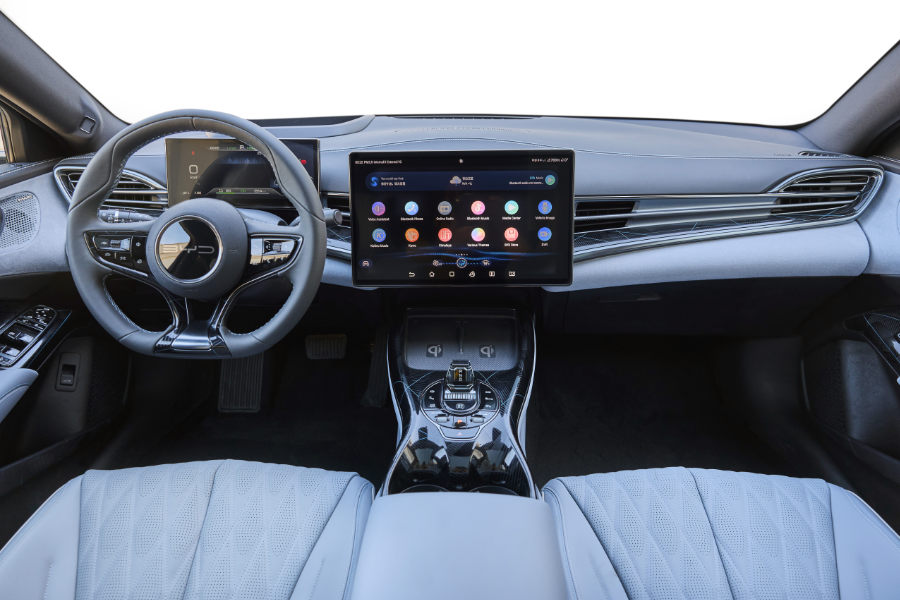
Higher fuel prices, linked to the conflict in the Middle East, boosted sales of electric vehicles in Europe in March 2026, according to data from Benchmark Mineral Intelligence.
As it noted, sales of passenger and light-duty EVs in Europe increased by 33% year-on-year in March, compared to 19% year-on-year growth in the first two months of the year.
‘Interest in EVs rose globally in March 2026 amid higher fuel prices due to the ongoing conflict in the Middle East and the closure of the Strait of Hormuz,’ Benchmark Mineral Intelligence noted. ‘A significant number of markets around the world experienced greater EV sales growth after the conflict broke out than before.’
Chinese EVs
China was the main beneficiary of this increase, with sales of Chinese-made EVs rising by 78% in Europe in March 2026, on a year-on-year basis, compared to growth of 39% reported during January and February.
This means that Chinese-made EVs now account for just under a quarter (24%) of all electric vehicles sold in Europe, compared to a share of 20% in January and February.
‘Strengthens the case’
Elsewhere, the European Automobile Manufacturers’ Association (ACEA) has said the ongoing instability in the Middle East and volatility in global energy markets ‘strengthens the case’ for accelerating Europe’s transition away from fossil fuels in road transport.
The group said that the current crisis has reinforced the need for a ‘technology neutral policy framework’ that makes zero-emission transport the most economically viable option for both consumers and businesses across the bloc.
“A technology-neutral decarbonisation strategy that embraces electrification and includes renewable fuels is essential,” commented Sigrid de Vries, ACEA director general. “It is key to safeguarding Europe’s resilience, protecting consumers from price and supply shocks, and delivering a successful transition to climate‑neutral mobility.”
The ACEA has called for concrete policy actions in two areas – firstly, policymakers need to send a ‘clear signal’ that electricity is the most cost effective form of energy available, backing this up with appropriate support mechanisms, and secondly, more effort needs to be made to incentivise renewable fuels and alternative powertrains. Read more here and here.