Oil and gas firms’ investment in renewables likely to remain ‘cautious’, says GlobalData
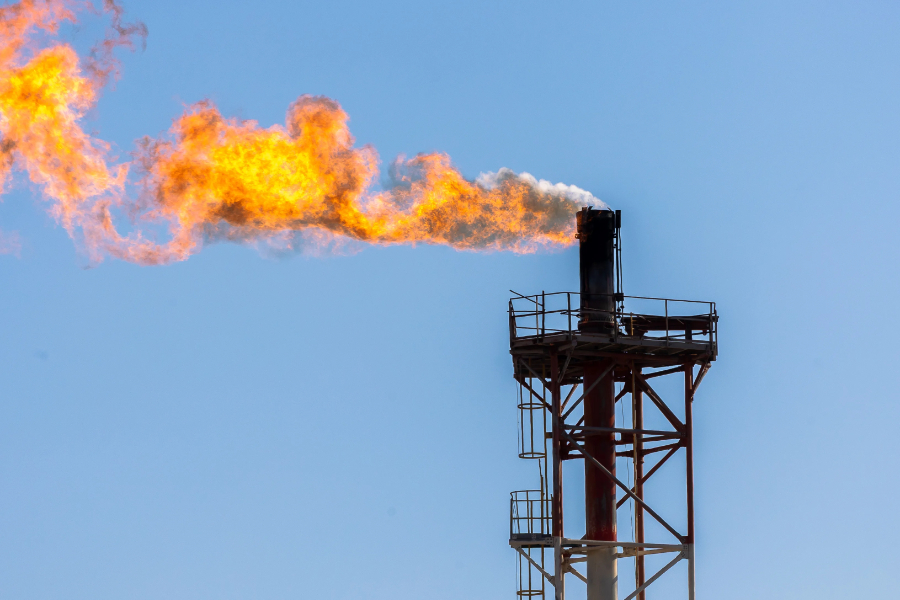
While oil and gas firms are continuing to invest in renewable energy, their investment strategies are likely to 'remain cautious' amid regulatory uncertainty and rising project costs, according to GlobalData.

While oil and gas firms are continuing to invest in renewable energy, their investment strategies are likely to ‘remain cautious’ amid regulatory uncertainty and rising project costs, according to GlobalData.

A new report from GlobalData, Renewable Energy in Oil and Gas, notes that renewable power generation in 2020 stood at 7.4 petawatt-hours (PWh), and it is expected to reach 16.1PWh in 2030, equating to a ten-year CAGR of 8.1%.

At the same time, the contribution of fossil fuels to power generation is expected to decline from 62% in 2020 to 50% in 2030, with renewables expected to account for more than 40% of global electricity generation by the end of the decade.

Renewables development

“The rise in renewables development is influenced by factors, including global decarbonisation efforts and rising concerns about energy security amid intensifying geopolitics,” commented Ravindra Puranik, oil and gas analyst at GlobalData. “The cost of equipment and installation for solar and wind power projects has also declined due to improvements in underlying technologies as well as economies of scale, leading to lower levelised costs of renewable energy for end-consumers.”

While leading oil and gas firms have diversified their portfolios to include renewable energy assets – with TotalEnergies positioning itself as a major investor in wind energy, for example – the pace of investment has ‘moderated’ in recent years, as companies reassess costs and project risks.

BP recently withdrew from its Beacon Wind offshore wind project in New York, while Equinor has adjusted some of its renewable targets due to rising costs and market pressures.

‘Divergent outcomes’

“Regional policy landscapes and financial realities are driving divergent outcomes for oil and gas companies investing in renewables,” Puranik added. “Supportive regulations and incentives in Europe and Asia are encouraging significant capital flows and project development, while in the US, high costs, regulatory uncertainty, and challenging permitting processes have triggered delays, pauses, or cancellations for various renewable initiatives.

“Despite these obstacles, leading oil and gas companies continue to progress with flagship renewable projects where the environment is most favourable.” Read more here.

Discover more from Sustainability Online

Subscribe now to keep reading and get access to the full archive.

Continue reading