Three separate reports, published by UN Climate Change (UNFCCC) ahead of COP31 in Türkiye next month, have indicated that overall progress towards national climate targets remains ‘ substantially insufficient’.
The reports – the NDC Synthesis Report, the BTR Synthesis Report and the NAP Progress Report – explore national climate commitments, adaptation planning and transparency, and highlight barriers to implementation and climate finance.
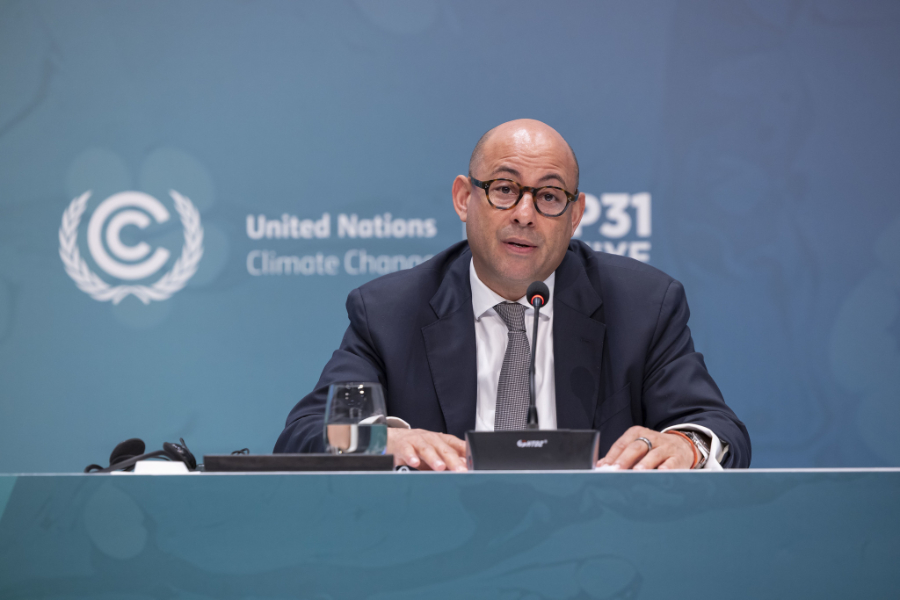
“These reports show more governments are taking climate action right across their economies, to bank the vast benefits of clean energy and climate resilience,” commented Simon Stiell, executive secretary, UN Climate Change.
“In this respect, these reports are more evidence that almost every major economy – and many medium-sized and smaller economies – now see climate action as a central driver of economic growth, jobs, and affordable and secure energy.”
NDC Synthesis Report
The 2026 NDC Synthesis Report, which covers the period from 1 January 2024 to 31 August 2026, highlights 127 new nationally determined contributions, or NDCs, representing 154 parties to the Paris Agreement.
As the report notes, these commitments cover around 70% of global greenhouse gas emissions, with the latest NDCs covering a broader range of topics, such as mitigation, adaptation, finance, technology transfer, capacity-building, loss and damage and just transition.
In addition, the NDCs highlight the involvement of local and regional authorities, civil society, and the private sector in planning, implementing and monitoring climate action.
However, the projected emissions reductions remain below what is required, with current pledges set to reduce global emissions by just 6% by 2035 compared with 2019 levels, the UNFCC said.
Full implementation of current pledges would increase the reduction to around 9%.
NAP Progress Report
Elsewhere, the 2026 National Adaptation Plan (NAP) Progress Report found that as of 20 October of this year, some 146 countries had initiated or launched their adaptation planning process. Of these, 81 developing countries had submitted National Adaptation Plans.
As the report notes, finance continues to be a barrier, with respondents highlighting difficulties developing project proposals, obtaining approval, and ensuring that approved funding reaches its intended destination.
‘Challenges identified are not only in developing project proposals, but also in turning them into approved projects and ensuring that approved funding reaches countries that need it most,’ UNFCCC noted.
BTR Synthesis Report
Elsewhere, the Biennial Transparency Report (BTR) Synthesis Report indicates that climate policy is increasingly being ‘mainstreamed’ across global economies, with 80% of parties to the Paris Agreement involving non-Party stakeholders in climate action, while 92% link climate action to the Sustainable Development Goals (SDGs).
Some 137 Parties have now submitted Biennial Transparency Reports, covering around 85% of global emissions.
“This year’s reports demonstrate again that collective progress remains clearly insufficient, that global transitions are very uneven, and that many countries face substantial barriers to delivering their targets and pledges,” Stiell added.
“With its focus on practical measures to support greater implementation, COP31 in Türkiye can help address some of the key gaps highlighted in this year’s reports. In both the negotiations, including through ambitious outcomes on mitigation, adaptation, climate finance and just transitions, and in parallel, through delivering solutions under the Global Climate Action Agenda.”
As the UNFCCC noted, separate climate finance assessments found that global climate finance increased by 32% to an annual average of $1.9 trillion in 2023-2024. Read more here.