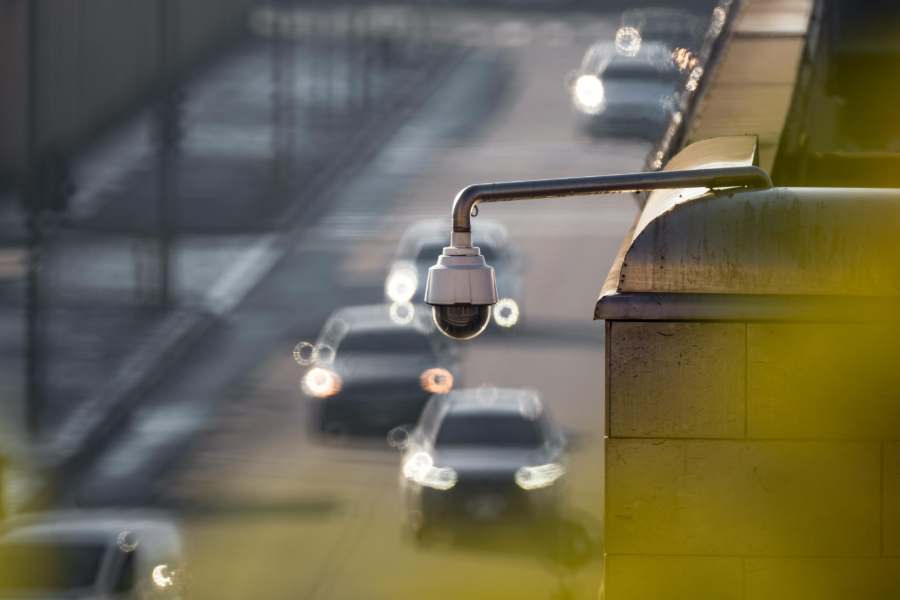
Smart traffic management systems, which use cameras, sensors and AI to manage traffic flow, could help to reduce CO₂ emissions by 923 million metric tonnes by 2030, a new study by Juniper Research has found.
According to the study, Smart Traffic Management Market 2025-2030, this would mark an increase of 151% on the 368 MMT CO₂ savings forecast for this year, and would represent 1.5% of total projected global emissions in 2030.
Security infrastructure
However, Juniper Research added that the environmental benefits of smart traffic management systems will only be realised if cybersecurity infrastructure scales in tandem with the adoption of these systems, given the increasing volume of data generated.
The study highlights the need for advanced data protection tools such as anonymisation, minimisation, and federated learning – tools that would allow real-time traffic data to be processed without compromising user privacy.
The market for smart traffic management systems is projected to grow from $14.8 billion globally in 2025 to $32.7 billion by 2030, meaning that integration of security measures will be an essential tool to ensure that public trust in said systems can be maintained.
‘Integrating these technologies will enable vendors to analyse traffic data without compromising any personal data collected; enhancing public trust and reducing the risk of data breaches,’ Juniper Research said.
‘Increasing threat’
“As smart traffic management solutions continue to collect valuable personal data to optimise traffic flows, the threat of cyber-attacks is increasing,” commented research author Michelle Joynson.
“Smart traffic vendors must deploy robust security measures to ensure system reliability, continually enabling optimised traffic flows; leading to significant emission reductions and cost savings.” Read more here.
Read more: New York programme to reduce traffic and improve air quality largely upheld