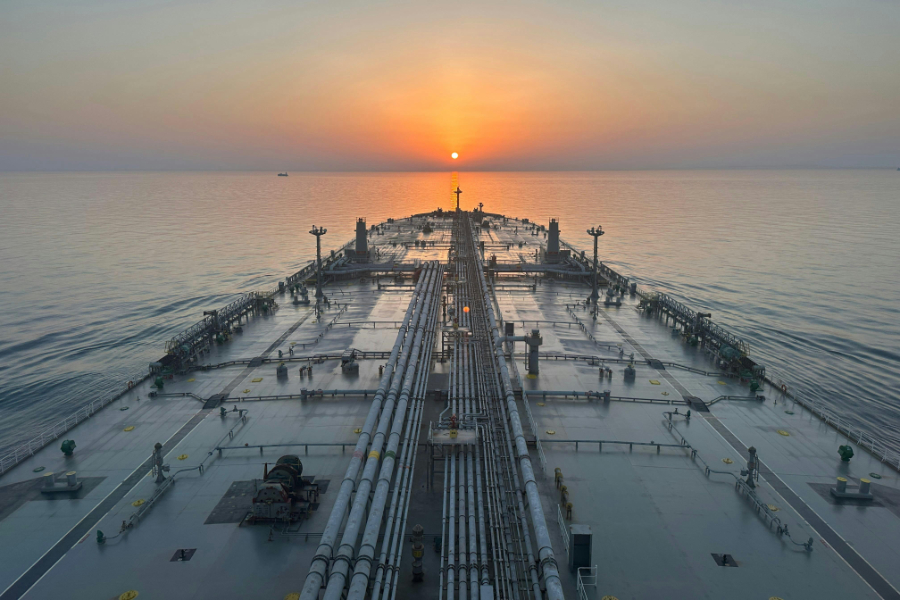
The ongoing crisis in the Strait of Hormuz, and the associated increase in fuel prices, are prompting more Germans to consider purchasing an electric vehicle, a new study by mobile.de has found.
According to the study, some 45% of Germans said that the current geopolitical situation would influence their choice of vehicle type if they had to buy a car now. 43% said that their decision would be unaffected by the current situation, while 13% said that they are undecided.
Were petrol prices to remain high – between €2 and €2.15 per litre – some 43% of respondents said that they would switch to an electric car, with 36% seeing long-term savings as the ‘strongest argument’ for going electric.
More inquiries
As mobile.de noted, car dealers have received two thirds (66%) more inquiries for used electric cars since the crisis broke. In addition, in the first three weeks of March, approximately, the share of searches for electric cars tripled (from 12% to 36%) compared to the same period the previous month.
If they had to buy a car tomorrow, close to a third (31%) of respondents overall said that they would opt for a combustion engine vehicle, with 24% opting for a hybrid, and a similar percentage (23%) choosing a fully electric car.
However, among those that say they are more likely to be influenced by global events when making a purchase, around two fifths (39%) of respondents would choose an electric vehicle and 31% a hybrid, while around one in five would opt for a traditional combustion engine (17% petrol, 5% diesel).
Perceived advantages
As well as long-term cost savings, other advantages associated with EVs included the environmental aspect (22%) and greater independence through self-generated electricity, such as via a solar power system. (21%)
A total of 2,226 people were interviewed for the survey, undertaken in association with YouGov. The data was gathered between 25 and 27 March 2026. Read more here.