Dutch research organisation TNO has unveiled a solvent-based plastics recycling process that is designed to recover high-quality polymers and additives from waste streams that are difficult to recycle using conventional methods.
SustainabilityOnline had the opportunity to experience the technology first-hand during a visit to TNO’s facility in Rijswijk, close to The Hague, last week, where we had the chance to speak to Wojtek Kwos, business developer circular plastics, and Lucie Prins, senior scientist circular plastics, about the new solution.
The technology, known as Möbius dissolution, forms part of broader efforts to improve the circularity of plastics in the Netherlands, which has set a target of becoming fully circular by 2050. Currently, around half of plastic waste is recycled in the Netherlands.
“Policy creates the pull factor,” as Kwos explained. “Technology and the market will determine adoption and which solutions actually scale.”
Plastics recycling
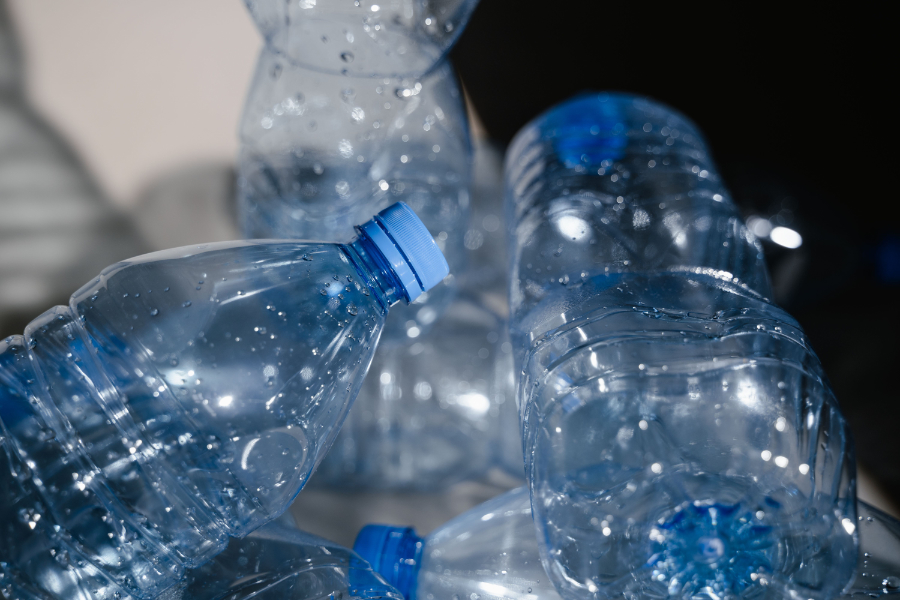
While mechanical recycling remains the preferred option for many firms, some waste streams are unsuitable for this process, due to contamination, degradation or mixed material content. This means that recycled plastics often end up in lower-value applications – detergent bottles, for example.
Chemical recycling, on the other hand, breaks, polymers down to their original chemical building blocks, facilitating the production of new plastic materials. However, this process can require a significant amount of energy.
TNO is positioning dissolution technology between mechanical and chemical recycling, using solvents to selectively dissolve specific polymers while leaving other materials or additives behind. This dissolved polymer can then be separated, purified and recovered for reuse.
A key feature of TNO’s Möbius solution is its ability to remove impurities and additives, as well as pigments, from plastic waste, meaning that the purified polymer can be recovered and used in new plastic products – including flexible plastics – while other additives can also be recovered for future use.
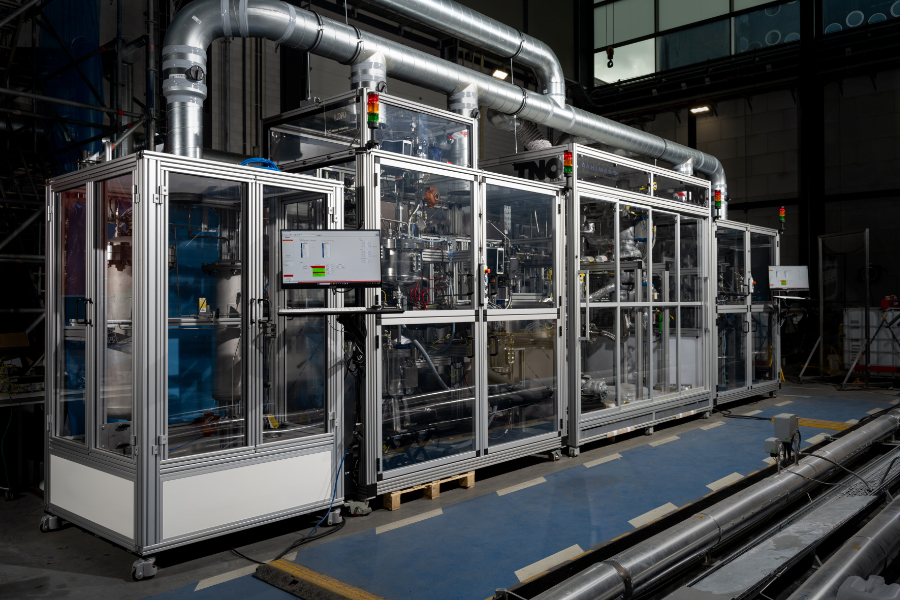
To date, the technology has been rolled out in pilot mode, and tested in collaboration with research institutes and industrial partners. TNO is available to discuss commercial applications for the technology with interested clients.
As it notes, it sees the development of this technology playing a key role in improving the quality of recycled plastics and accelerating the transition towards more circular materials systems. Read more here.