Consumers tend to be more impressed by the addition of environmentally-friendly features than by measures that reduce consumption, according to new research by the University of Portsmouth.
The study assessed what the researchers call ‘sustainable additive bias’ – in other words, that companies are viewed as more sustainable when they add eco-friendly products or features rather than remove them, even when reducing consumption results in less waste and a smaller environmental footprint.
‘Environmental choice’
“Consumers tend to notice what companies add, rather than what they take away,” commented Professor Giampaolo Viglia, from the Faculty of Business and Law at the University of Portsmouth.
“A new eco-friendly product gives people something tangible to judge, whereas removing unnecessary items can be harder to recognise as a positive environmental choice.”
As an example, in a hotel experiment involving 302 guests, rooms that offered a larger selection of eco-friendly amenities were rated as more sustainable than those that offered fewer items, with reusable bottles, organic toiletries and sustainable gifts viewed by guests as ‘evidence’ of the hotel’s sustainability ambitions, even when the intention was to reduce waste.
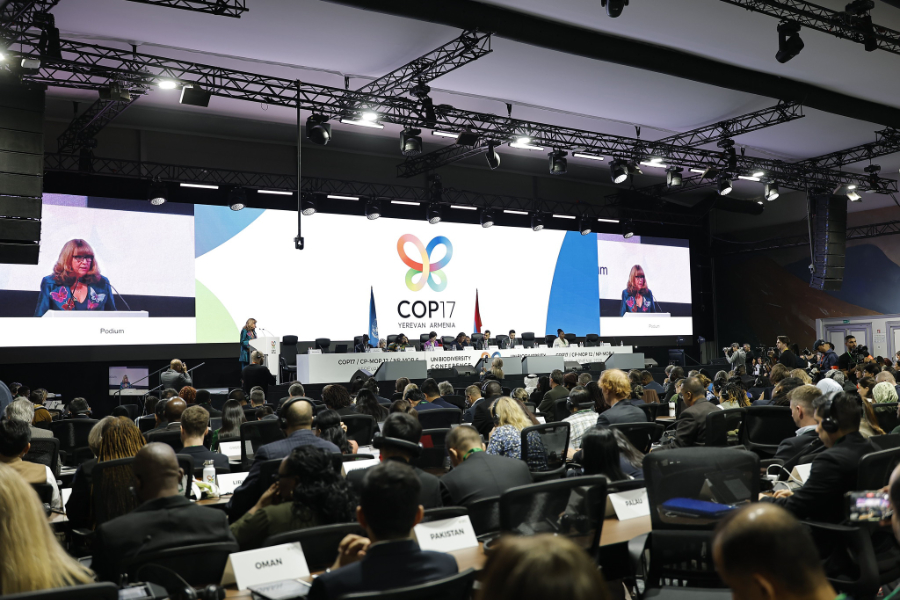
The research examined consumer perceptions across hotels, consumer products, conferences, festivals and trade shows. In one hotel experiment involving 302 guests, rooms offering a larger selection of eco-friendly amenities were rated as more sustainable than rooms with fewer items.
At the same time, this bias could be reduced when companies clearly explained why products were being removed.
‘Explain the benefits’
“Businesses need to explain the environmental benefits of providing less, whether that means cutting unnecessary packaging, removing products that customers do not need, or replacing multiple disposable items with a reusable alternative,” Professor Viglia added.
“Otherwise, companies that prevent waste may receive less credit than those that simply add another green feature.”
As the researchers note, the study also has implications for policymakers seeking to encourage more sustainable consumption. If consumers place greater value on visible eco-friendly additions, businesses could have an incentive to prioritise measures that are easier to communicate rather than those that prevent waste at source and promote efficiency. Read more here.