
Tomás Sercovich on BITCI Ireland’s support for Irish firms in achieving net zero targets
Business in the Community Ireland (BITCI) recently launched a new action plan, Accelerate – The Business Pact for Climate and…

A business news platform with a sustainable focus. Featuring the latest sustainability news and ESG insight, viewed through a business lens.

Decarbonisation is the process of reducing greenhouse gas emissions across business operations, energy systems and value chains to help mitigate climate change. For organisations, decarbonisation involves cutting emissions through measures such as improving energy efficiency, increasing the use of renewable energy, electrifying operations, reducing Scope 1, Scope 2 and Scope 3 emissions, and developing long-term net zero strategies. It has become a central pillar of corporate sustainability, driven by regulation, investor expectations and climate commitments.
SustainabilityOnline covers the latest developments in decarbonisation, including corporate climate strategies, emissions reduction initiatives, renewable energy, low-carbon technologies, climate transition planning and evolving sustainability regulations. We explore how organisations are reducing operational and value chain emissions, improving carbon accounting, adopting reporting technology, strengthening climate disclosures and integrating decarbonisation into wider business strategy. We also examine developments in net zero planning, sustainable finance, industrial decarbonisation, supply chain transformation and corporate sustainability reporting.
Related topics: decarbonisation, greenhouse gas emissions, carbon reduction, net zero, climate transition planning, renewable energy, energy efficiency, Scope 1 emissions, Scope 2 emissions, Scope 3 emissions, carbon accounting, climate disclosure, sustainable finance, low-carbon technologies, supply chain decarbonisation, corporate sustainability and ESG reporting.
Business in the Community Ireland (BITCI) recently launched a new action plan, Accelerate – The Business Pact for Climate and…

Four fifths (80%) of commercial fleet officers aim to have at least 25% of their fleets comprised of electric vehicles by 2030.

Ronald Thompson explores the implications of the European Union’s recent decision to impose new tariffs on Chinese electric vehicles.

A new advertising campaign is calling on pension funds to take measures to reduce their exposure to deforestation.

Amazon has announced that all electricity consumed by its operations, including data centres, was matched with 100% renewable energy in 2023.

Agriculture is expected to be the most difficult sector to decarbonise, a study by the University of East Anglia has found.

PepsiCo’s Walkers crisps brand is now using trucks powered by hydrotreated vegetable oil (HVO) – used cooking oil – to transport products.

While growing climate concern has placed increased importance on the role of forests as ‘carbon sinks’, this diminishes their value.

Boston Consulting Group (BCG) has announced a five-year contract with World Energy, a sustainable aviation fuel producer.
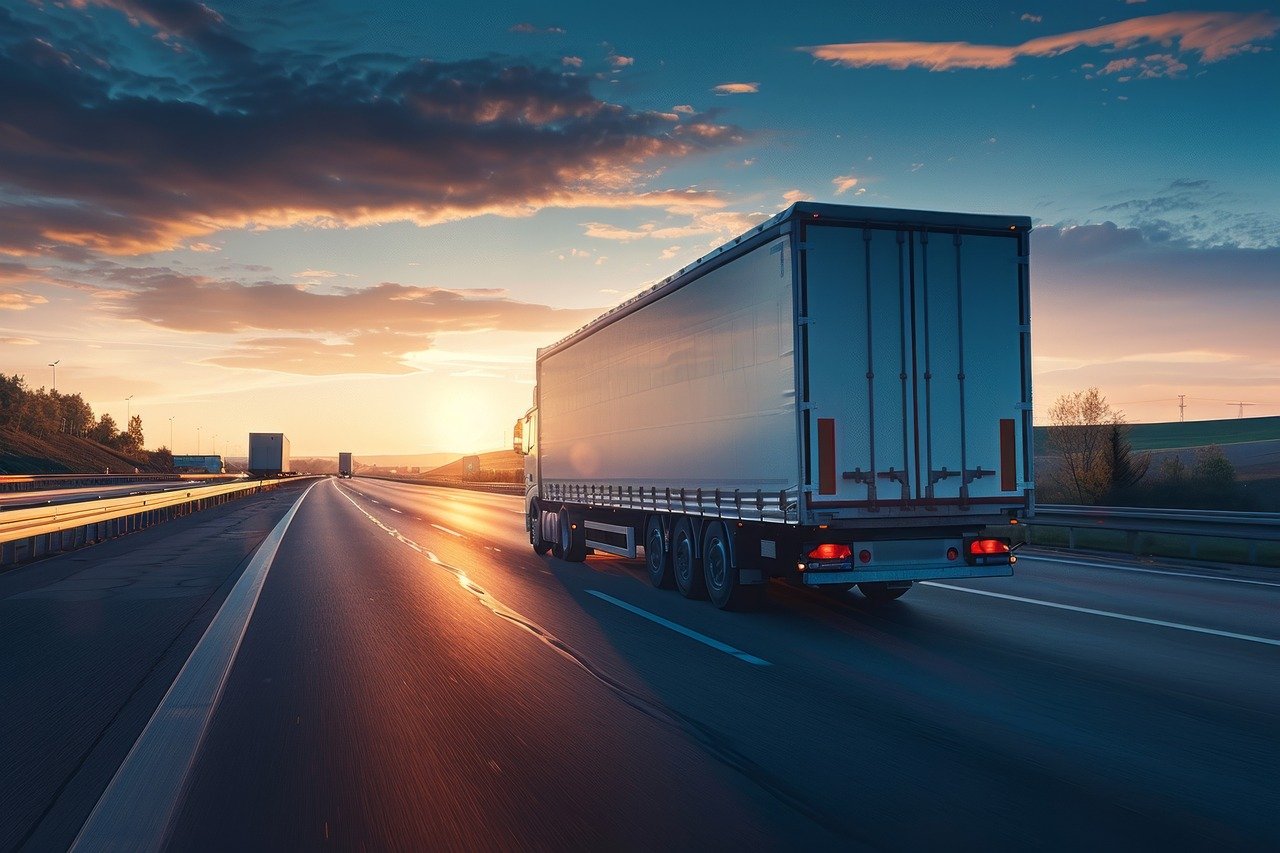
Environmental sustainability is seen as a significant or very significant business opportunity by 24% of carriers in the road freight sector.