Energy transition slowed last year, study clams
The energy transition away from fossil fuels slowed last year, a study from consultancy firm L.E.K. Consulting has claimed.

A business news platform with a sustainable focus. Featuring the latest sustainability news and ESG insight, viewed through a business lens.
Decarbonisation is the process of reducing greenhouse gas emissions across business operations, energy systems and value chains to help mitigate climate change. For organisations, decarbonisation involves cutting emissions through measures such as improving energy efficiency, increasing the use of renewable energy, electrifying operations, reducing Scope 1, Scope 2 and Scope 3 emissions, and developing long-term net zero strategies. It has become a central pillar of corporate sustainability, driven by regulation, investor expectations and climate commitments.
SustainabilityOnline covers the latest developments in decarbonisation, including corporate climate strategies, emissions reduction initiatives, renewable energy, low-carbon technologies, climate transition planning and evolving sustainability regulations. We explore how organisations are reducing operational and value chain emissions, improving carbon accounting, adopting reporting technology, strengthening climate disclosures and integrating decarbonisation into wider business strategy. We also examine developments in net zero planning, sustainable finance, industrial decarbonisation, supply chain transformation and corporate sustainability reporting.
Related topics: decarbonisation, greenhouse gas emissions, carbon reduction, net zero, climate transition planning, renewable energy, energy efficiency, Scope 1 emissions, Scope 2 emissions, Scope 3 emissions, carbon accounting, climate disclosure, sustainable finance, low-carbon technologies, supply chain decarbonisation, corporate sustainability and ESG reporting.
The energy transition away from fossil fuels slowed last year, a study from consultancy firm L.E.K. Consulting has claimed.
The Sustainable Apparel Coalition has rebranded as Cascale, ushering in what it says will be a ‘new era of impact for global apparel’.
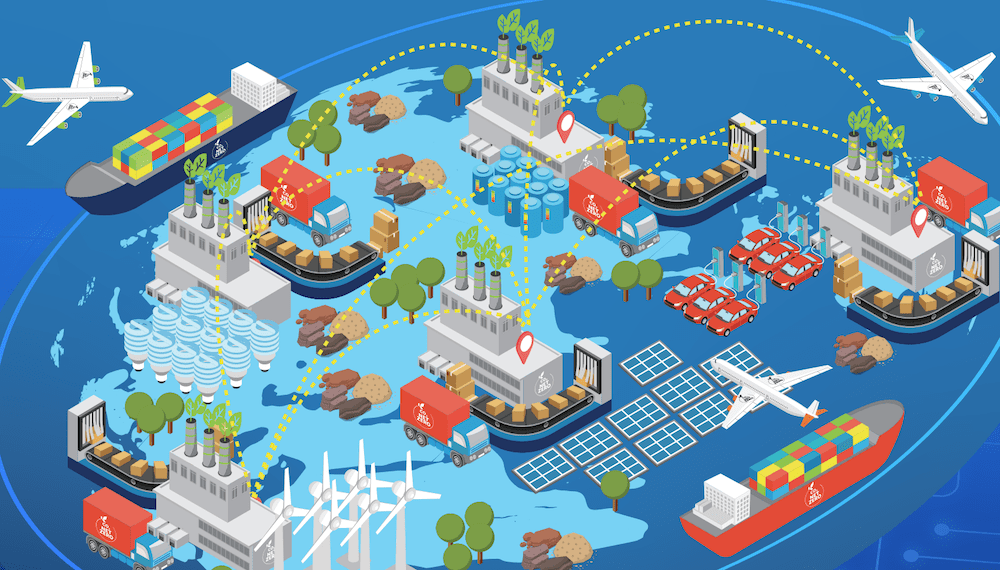
Import charges implemented by the EU on carbon-intensive products are expected to have ‘a limited impact’ on climate change.
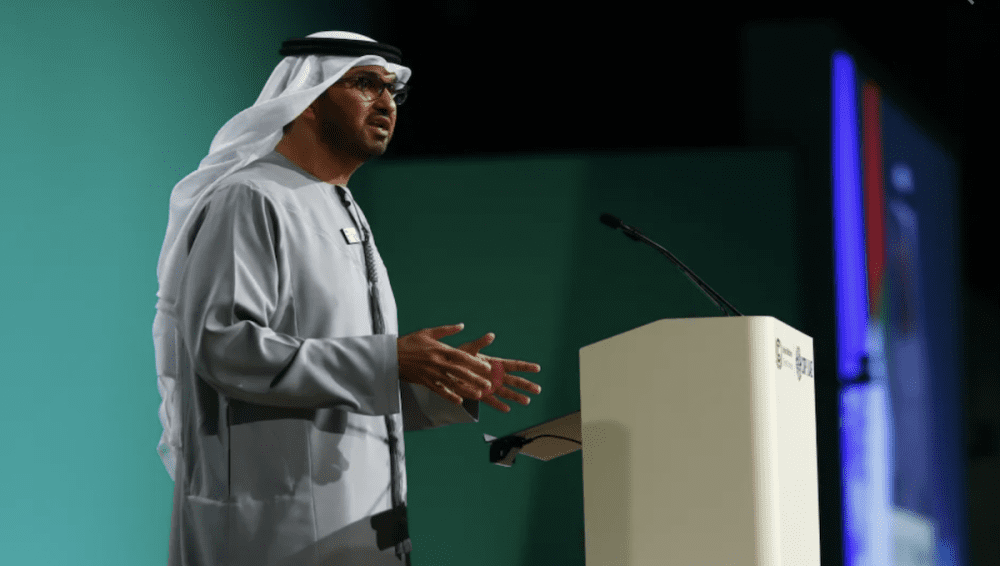
Implementing the UAE Consensus is likely to require “unprecedented action”, according to COP28 President Dr. Sultan Al Jaber.
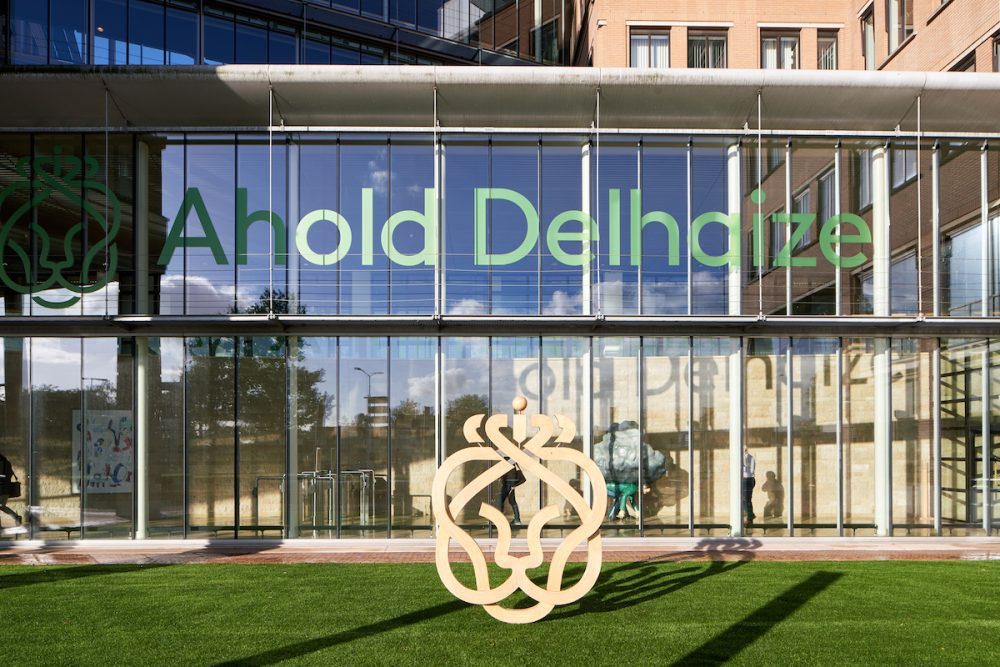
Dutch retailer Ahold Delhaize has introduced ‘open source climate hubs’ for suppliers to learn about carbon emissions.

The upstream energy sector is increasingly turning to artificial intelligence and advanced analytics to support its decarbonisation and energy transition strategies.

A ‘much stronger’ focus on protecting and restoring nature is needed to ensure that the new FAO roadmap, which aims to align food systems with goals relating to 1.5C and zero hunger, is successful.

Environmental considerations are ‘weighing heavily’ in the environmental, social, and governance (ESG) discussions at major firms, GlobalData has said, as…

The global market for zero-emission trucks is set to grow at a CAGR of 31% over the next decade, a new report from IDTechEx has said.
International cooperation agreements will only be effective in meeting the objectives of the Paris Agreement if Global South countries are involved.