A lack of readiness on the part of global ports is bottlenecking the adoption of Onboard Carbon Capture and Storage (OCCS) systems as a practicable decarbonisation solution in the maritime sector, according to the Global Centre for Maritime Decarbonisation (GCMD).
According to the GCMD, which carried out its study alongside Lloyd’s Register and ARUP, while the technologies required for offloading onboard captured carbon dioxide exist at high levels of maturity, safe operationalisation of captured CO2 transfer by trained personnel is still to be demonstrated.
Infrastructure requirements
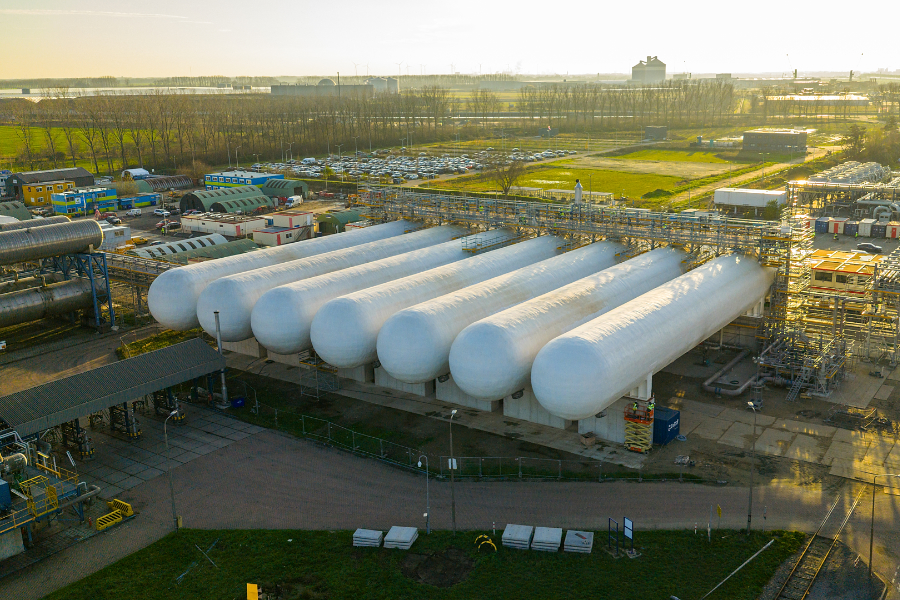
The GCMD made its assessment in a report entitled Concept study to offload onboard captured CO2, in which it highlighted that while several ports have the necessary infrastructure to offload liquefied CO2 (LCO2), these facilities are mainly tailored for handling food-grade CO2.
In addition, the stringent purity standards associated with food-grade CO2 limit the versatility of these facilities to handle onboard captured CO2, it noted.
The study examined over ten planned LCO2 related infrastructure projects worldwide, which are located near, or with transport links from, CO2-emitting industrial clusters.
Consequently, these projects are expected to manage significantly larger quantities of captured CO2 compared to onboard carbon capture systems (OCCS). For efficiency, port infrastructure required for unloading, storing, and transporting onboard captured CO2 will likely need to be coordinated with these projects to benefit from economies of scale.
However, since many of these projects are still in the conceptual stage, ports have yet to make investments in offloading infrastructure.
Furthermore, introducing LCO2 offloading into already complex maritime and shipping operations will likely impact port efficiency and operational performance, the study found.
Carbon capture technologies
“While pilots have successfully demonstrated numerous capture technologies onboard ships, it is still uncertain how captured carbon on merchant ships can be safely offloaded, and what the rest of the value chain looks like,” commented Professor Lynn Loo, CEO of GCMD.
Elsewhere, Nick Brown, CEO of Lloyd’s Register, noted that the maritime industry needs a “comprehensive understanding” of the safety and operational challenges posed by all emissions reduction technologies.
“This study, which focused on port readiness and considerations for the safe handling and offloading of LCO2, addresses some of the gaps that exist in the carbon capture value chain and will support industry stakeholders in making informed investment decisions around carbon capture solutions and the creation of regulatory and operational guidelines,” he said.
The study complements the GCMD’s Project REMARCCABLE (Realising Maritime Carbon Capture to demonstrate the Ability to Lower Emissions), and can be found here.
Want to learn more about why environmental sustainability is important to your business? Ensure www.sustainabilityonline.net is your go-to source.