
India’s foodservice industry turning to technology to deal with food waste
India‘s foodservice industry is increasing leveraging technology to tackle its growing food waste problem and promote sustainable business practices, GlobalData…

A business news platform with a sustainable focus. Featuring the latest sustainability news and ESG insight, viewed through a business lens.
Food Waste reduction is recognised as one of the most effective ways to lower greenhouse gas emissions, conserve natural resources, improve food security and support the transition to a circular economy. As governments and businesses work towards climate and sustainability targets, food waste reduction has become a key priority across the global food system.
Stay up to date with the latest developments in food waste mitigation with SustainabilityOnline, including waste reduction strategies, circular economy initiatives, sustainable food systems, responsible sourcing, food redistribution and evolving policy and regulation. We explore how organisations are reducing food waste across their operations and supply chains, improving resource efficiency, adopting innovative technologies, strengthening sustainability reporting and supporting more resilient food systems.
Related topics: food waste, food waste reduction, sustainable food systems, circular economy, food redistribution, responsible sourcing, sustainable agriculture, resource efficiency, waste prevention, supply chain sustainability, food security, greenhouse gas emissions, climate change, packaging innovation, corporate sustainability, ESG reporting and sustainability strategy.
India‘s foodservice industry is increasing leveraging technology to tackle its growing food waste problem and promote sustainable business practices, GlobalData…

A growing food waste crisis in the Asia-Pacific region is leading to an acceleration of sustainable practices among food and…

Amcor has announced the launch of the Clear-Tite 40 shrink bag, a thinner and lighter packaging solution designed for fresh and processed meat.
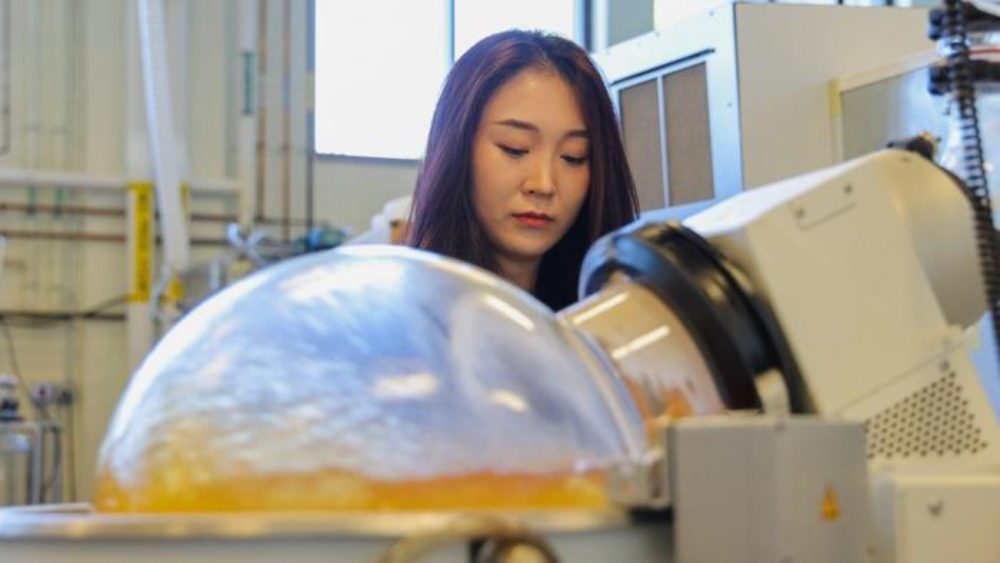
Researchers at Virginia Tech’s College of Agriculture and Life Sciences are exploring methods to develop bioplastics from food waste.

While most of us are eager to play our part in helping to save the planet, many day-to-day activities have a notable environmental impact.

Households around the world wasted more than one billion meals per day in 2022, the UN Environment Programme (UNEP) has said.
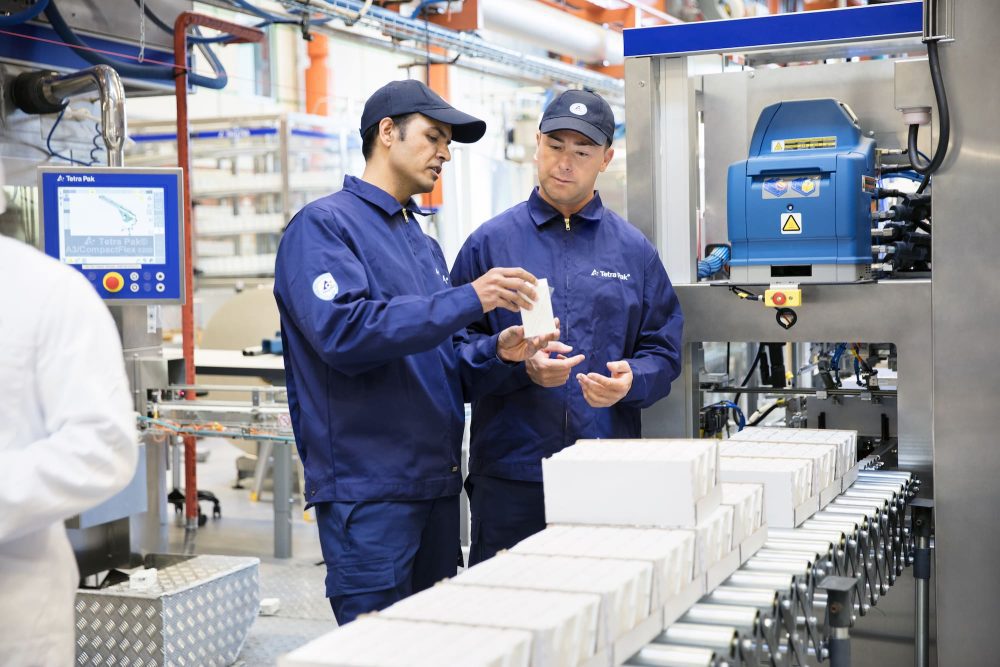
The establishment of a more sustainable dairy industry, the embrace of alternative proteins, and the deployment of technologies aimed at minimising food waste in the production process are all key factors in expediting the transformation of food systems.

Goal 12 of the UN Sustainable Development Goals underscores the critical importance of transitioning towards responsible consumption.