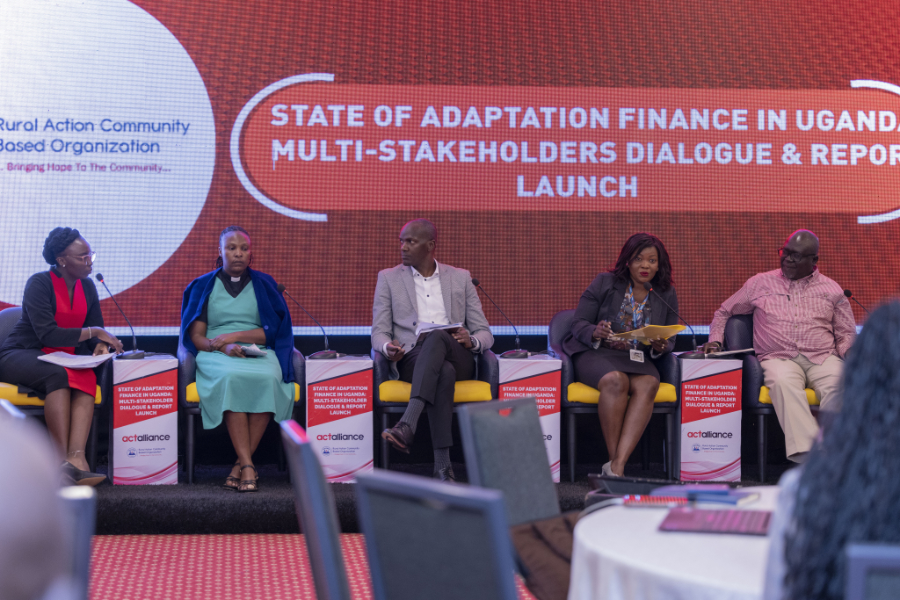
Uganda faces a significant shortfall in adaptation finance, a new report by the ACT Alliance Uganda Forum has found.
The country’s updated Nationally Determined Contributions (NDCs) estimate a five-year implementation cost of $28.1 billion, with $17 billion allocated to adaptation – however, to date, just $4.1 billion has been committed for mobilisation domestically, the report, undertaken in partnership with the Rural Action Community Based Organisation (RACOBAO), found.
The report examines Uganda’s adaptation finance landscape, revealing both significant shortfalls but also opportunities for strategic alignment.
As the report found, between 2021/22 and mid-2023/24, just $717.8 million was mobilised for adaptation, against the $17 billion required by 2030.
Adaptation finance does, however, dominate Uganda’s climate finance portfolio, accounting for 57% of the total climate finance mobilised in 2024/25.
‘Untapped potential’
According to ACT Alliance, carbon markets in Uganda offer ‘untapped potential’ – the country’s carbon markets are projected to trade up to five million metric tonnes of carbon annually, potentially generating $100 million per year.
The report recommends that ‘revenues from carbon markets be earmarked to finance priority adaptation interventions benefiting vulnerable communities’.
Debt-for-nature swaps are also identified as a possible mechanism to reduce Uganda’s approximate $5.3 billion dollars in debt while unlocking climate finance for adaptation efforts.
However, the report also warns that Uganda has a ‘high reliance’ on external finance, with 85% of NDC implementation costs expected to come from outside sources.
As such, the report highlights an ‘urgent need to build sustainable domestic financing mechanisms to reduce vulnerability to fluctuations in international funding, not negating responsibilities of developed countries’.
‘Much potential’
“Uganda holds much potential to unlock climate finance at scale, and this report points to what needs to be done to attain higher adaptation finance mobilisation,” commented ACT Alliance‘s Julius Mbatia.
“In a world mired in various complexities, vulnerable and marginalised communities must be cared for. Bridging the adaptation finance gap in Uganda has to therefore reflect local, grassroot communities’ climate needs and deliver financing that is fair, accessible and adds no undue debt upon them in the context of exploring new financing arrangements.’’ Read more here and here.