Increasing plant diversity in agriculture can promote soil health and carbon sequestration, a study by the University of Helsinki has found.
The study, Plant diversity drives positive microbial associations in the rhizosphere enhancing carbon use efficiency in agricultural soils, which was published in the Nature Communications journal, focused on whether introducing diverse undersown plant species in field ecosystems could improve plant biomass and boost interactions between plants and microbes, leading to more effective carbon storage in the soil.
Promoting plant diversity
“Our findings indicate that promoting plant diversity in agriculture could be an effective strategy for improving carbon sequestration of agricultural soils,” commented project lead, Professor Anna-Liisa Laine from the Faculty of Biological and Environmental Sciences of the University of Helsinki.
According to the researchers, the expansion of agricultural land has caused a reduction in soil carbon, with the resolution of this central to curbing climate change.
“In practice, even a small improvement in the carbon retention capacity of fields can be significant, as a large share of land area globally has been harnessed for food production,” Laine added.
About the study
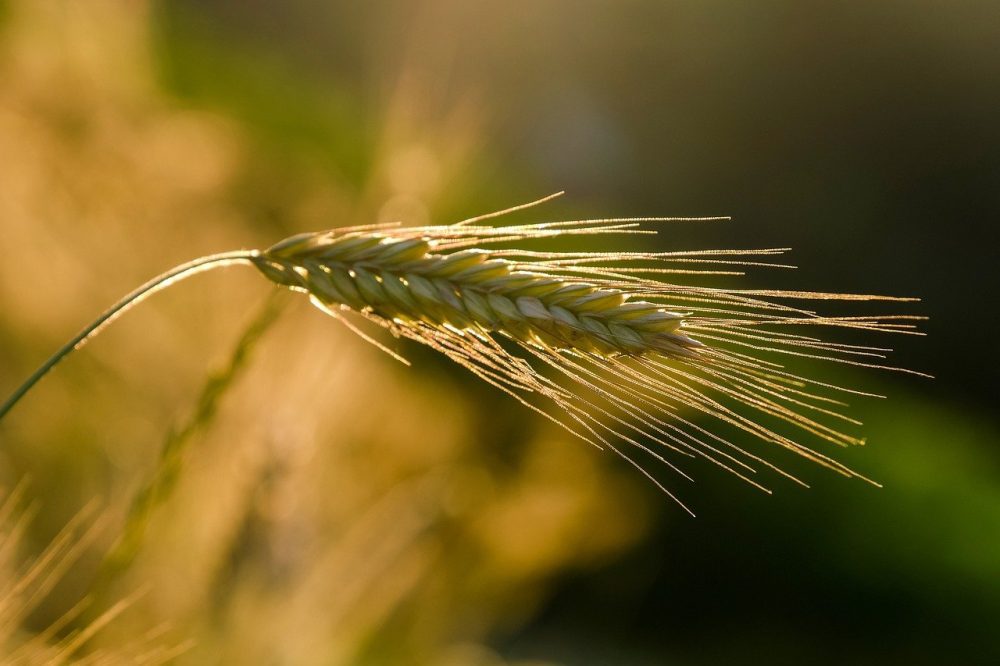
The study formed part of a larger biodiversity experiment, using barley as the main crop. Researchers introduced companion species like red clover, alfalfa, and chicory in test plots alongside barley, with the aim of assessing whether increasing plant diversity could improve soil health without negatively affecting crop yields.
Barley was either grown alone or with one, two, four, or eight additional species. The researchers found that even in agricultural systems dominated by a single species like barley, plant diversity led to positive changes in soil microbial communities, and helped to promote carbon retention.
In fact, the researchers were surprised by how quickly soil microbes responded positively to plant diversity, even though barley was the dominant species in the test plots.
Sustainable agriculture
They suggest that these findings could inform sustainable agricultural policies, particularly in the European Union, noting that small improvements in carbon retention across large agricultural areas could have meaningful impacts globally.
‘While clovers have long been used as undersown species, the experiment carried out here provides new information on how soil processes react when the diversity of such species is increased to as many as eight species,’ they noted. ‘In practice, adding eight species to agroecosystems can be challenging, but the addition of four already produced desired results.’ Read more here.