The percentage of top level firms in the US that have integrated climate-related metrics into their executive compensation plans has more than doubled over the past two years, a new report from The Conference Board has found.
Using disclosure data from ESGAUGE, The Conference Board’s report found that executive compensation was tied to climate-related metrics by about 25% of S&P 500 businesses in 2021 but this rose to 54% in 2023.
Elsewhere, with regard to firms in the Russell 3000 index, the percentage that have tied compensation to climate metrics also doubled, from 16% to 32%.
Long-term incentive plans
Additionally, with the rising adoption of climate and other ESG performance metrics, companies are incorporating them into long-term incentive (LTI) plans. The percentage of S&P 500 companies utilising ESG metrics in both annual and long-term incentive plans increased from 7% in 2021 to 12% in 2023.
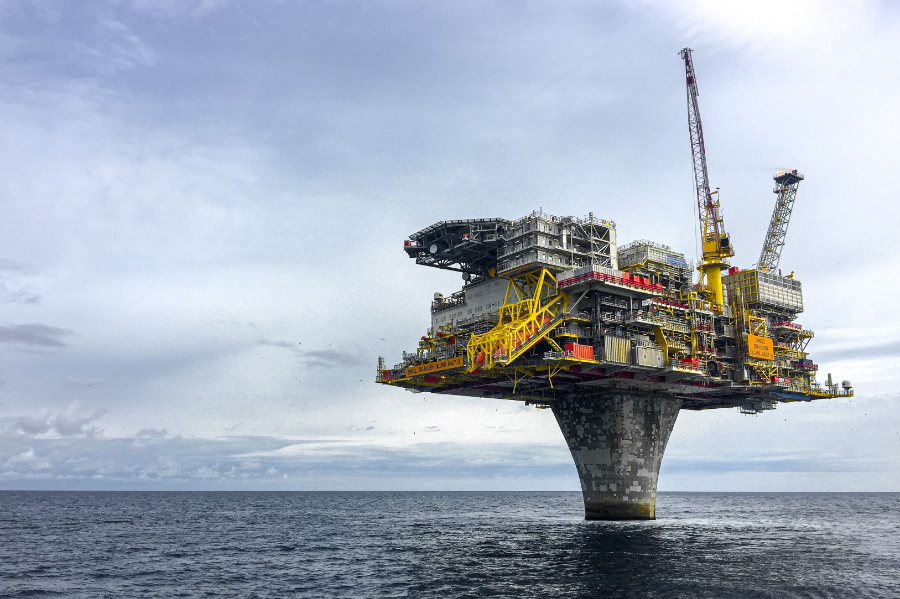
Among energy companies, the adoption of these metrics rose from 37% in 2021 to 68% in 2023, while in utility firms, it increased from 24% to 39%.
However, sectors like health care (9%), financial (9%), and communication services (15%) are less inclined to incorporate such metrics, the study found, despite the potential for significant direct or indirect environmental impact within companies in these industries.
It also found that larger companies are more likely to integrate environmental metrics in compensation plans, with two-thirds (67%) of Russell 3000 companies with annual revenues of $50 billion or more use environmental performance metrics, up from 27% in 2021.
ESG metrics
“Companies that have not yet adopted ESG metrics for driving environmental performance should explore this avenue, especially in industries that have a significant environmental impact,” commented Matteo Tonello, managing director at The Conference Board ESG Center and author of the report.
“When implementing such metrics, companies should tailor them to their unique environmental risks and opportunities, rather than relying on off-the-shelf emission targets.”
The report was developed in partnership with the executive compensation consulting firm FW Cook. The data analysis for the year 2023 is as current as December 4, 2023.
“Thanks to the increased familiarity with ESG metrics and access to extensive benchmarking data, companies are better positioned to incorporate ESG measures into their long-term incentive programs,” added Steve Cross, managing director of FW Cook.