Nutrition security needs to be a core consideration when planning climate smart agriculture, a new study has suggested.
The study, led by the University of Leeds, suggests that farmers in sub-Saharan Africa need to diversify away from growing maize and switch to crops that are resilient to climate change and supply enough key micronutrients for the population, adding that diversification towards more fruits, vegetables and crops such as cassava, millet and sorghum will help to improve nutrition security.
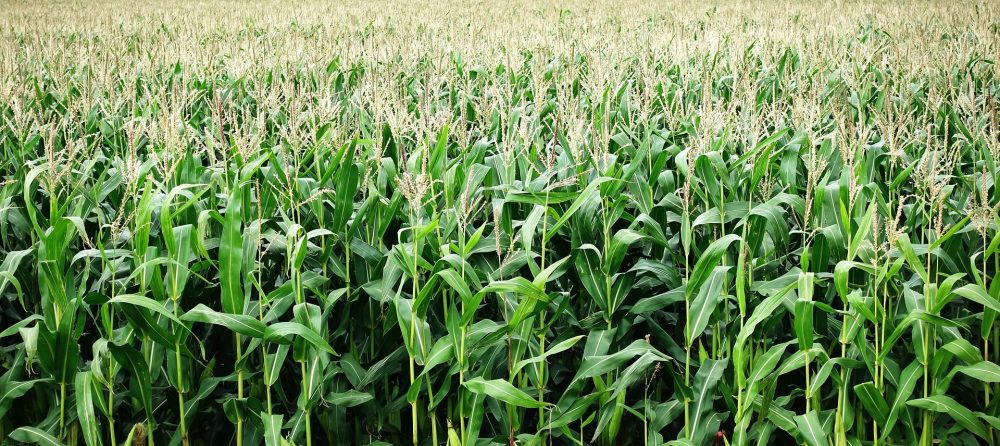
Maize is a staple crop across the region in which it is grown, and is consumed in large quantities. However, the study suggests that it is lacking when it comes to providing nutrition.
In addition, the quantity of food produced will need to increase in order to meet the needs of a growing population – the sub-Saharan Africa region is home to 1.2 billion people, with population estimated to grow by a further 740 million by 2050.
The study, Stakeholder-driven transformative adaptation is needed for climate-smart nutrition security in sub-Saharan Africa , was published in the scientific journal Nature Food.
More than 50 researchers contributed to the investigation, which involved talking to policymakers and other stakeholders in the food and agriculture sectors in four countries in sub-Saharan Africa: Malawi, South Africa, Tanzania and Zambia.
Importance of nutrition
“The study has highlighted the need to place nutrition at the heart of agricultural policy to avoid the long-term unintended consequence of failing to produce food that can deliver the nutritional needs of the population,” commented Professor Jennie Macdiarmid from the Rowett Institute at the University of Aberdeen and one of the authors of the paper.
“If policy solutions focus only on increasing production of calories and adapting to be climate smart, it is likely there will be negative consequences for health through nutritionally poor diets.”
‘Transformative approach’
The scientists say there needs to be a fundamental shift – or “transformative approach” – in agriculture to incorporate nutritional needs, with diversification into soybean production one potential solution.
Researchers used the iFEED assessment framework, which was developed by the University of Leeds under the GCRF AFRICAP programme and the CGIAR Initiative on Climate Resilience, to investigate potential policy options to develop an agricultural system that is resilient to climate change, as well as provide nutritionally-adequate food.
“Too often food, agriculture and nutrition policies sit in siloes across different government departments,” said Dr Jennings, a research fellow in the School of Earth and Environment at the University of Leeds.
“This study provides holistic evidence that combines information on environmental impacts of food system changes and the changes needed for population level nutrition security. The research shows that action can be taken to adapt to climate change and improve nutrition security in sub-Saharan Africa.”