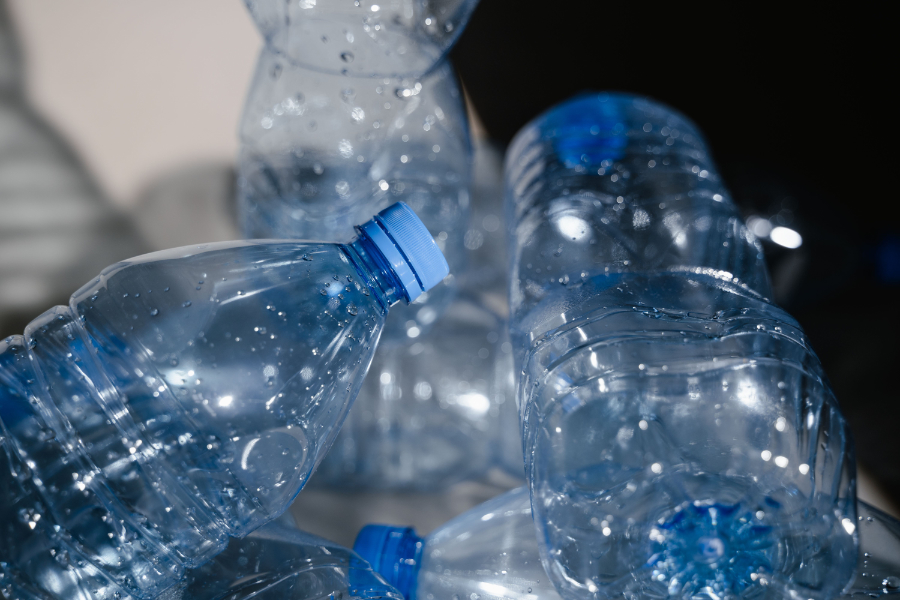
A new study that indicates that bottled water contains more plastic particles than previously thought should “come as no surprise”, Sian Sutherland, co-founder of A Plastic Planet and PlasticFree has said.
Sutherland was commenting following the publication of a study by researchers at Columbia and Rutgers Universities, which claimed that close to a quarter of a million plastic particles can be found in a typical one-litre bottle of water.
Nanoplastic particles
Each of these ‘nanoplastic‘ particles is less than one micrometre in length – one seventieth the width of a human hair – the study, which was published in the Proceedings of the National Academy of Sciences journal, found.
“This study provides a powerful tool to address the challenges in analysing nanoplastics, which holds the promise to bridge the current knowledge gap on plastic pollution at the nano level,” commented Naixin Qian, the study’s lead author.
Read More: Returnable plastic packaging could considerably lower greenhouse gas emissions, water use
‘Single use culture’
Commenting on the findings, Sutherland said, “There is no better symbol for our single use culture than a plastic bottle of water, this new disturbing reality check should come as no surprise. Anyone who cares about their health, or the health of their children, will be profoundly worried about today’s findings, with plastic production continuing to soar we need to ask ourselves, is this risk worth it for the sake of convenience in our throwaway lifestyle.
“Some may consider bottled water safer than the water from our taps. But the convenience that plastic brings is not what the doctor ordered. Instead, it comes with a toxic dose of microplastics and chemicals.”
Among the plastics uncovered in the study were PET, which is typically used to make plastic bottles, and polyamide, which is often used to filter water before it is bottled. However, a myriad of other nanoparticles were also found, which could also turn out to be nanoplastics, the study’s authors stated.
“The careless use of the thousands of chemicals in plastic are a scourge on the health of our planet and humans alike,” Sutherland added. “We need to listen to the scientists and act fast to end our obsession with plastic. We need to accept that we cannot recycle our way out of this mess.”