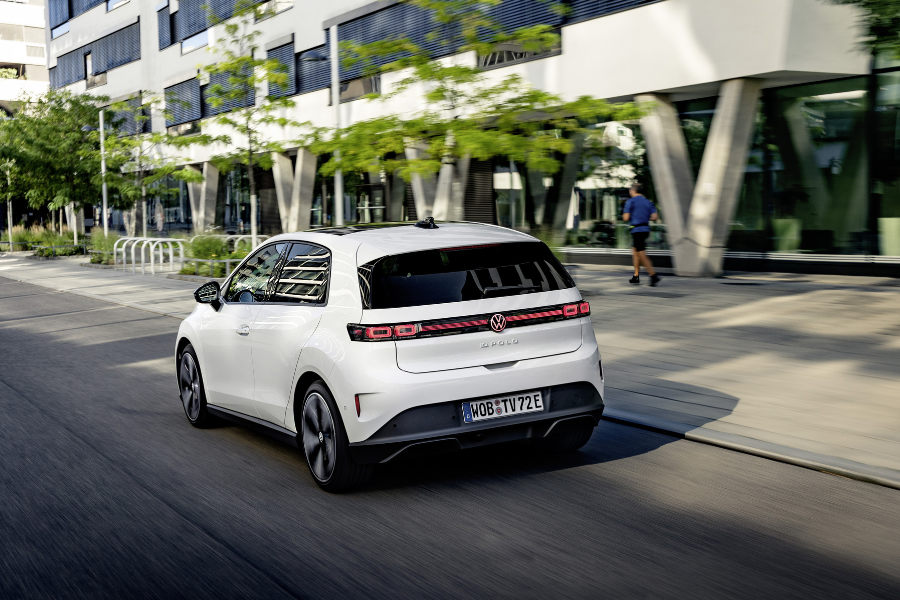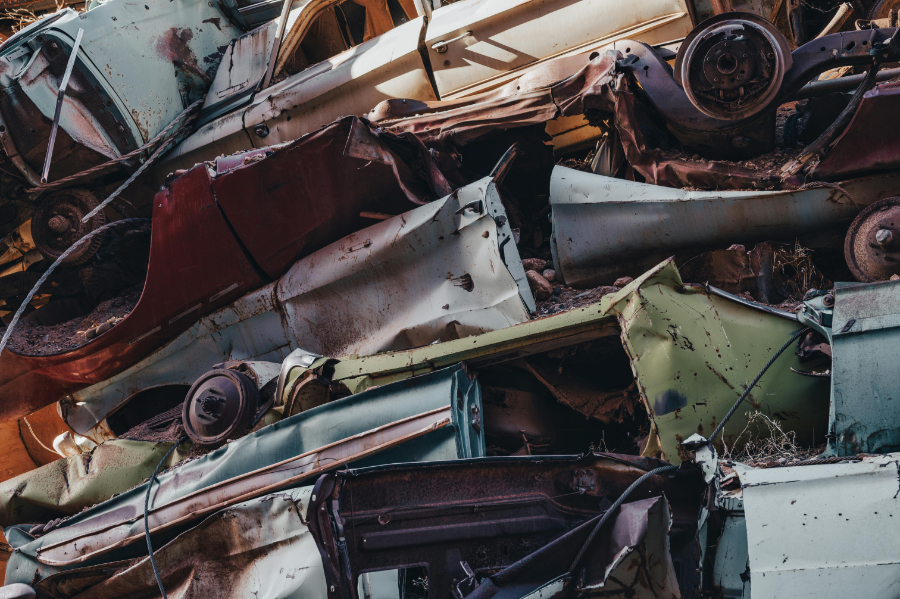
The Council of the European Union has adopted its position on new end-of-life vehicle legislation, which aims to ensure that all new vehicles are designed for re-use, recycling, and material recovery.
The regulation, which also sets a mandatory target for recycled plastics in vehicles, is a “game-changer for Europe”, according to Paulina Hennig-Kloska, Poland’s Minister for Climate and Environment.
“It cuts waste, curbs our reliance on critical raw materials from abroad, and drives our car industry into the heart of the circular economy. With the Council’s position, this legislation will not only boost the competitiveness of our car and recycling industries but also slash red tape to a minimum.”
Circularity strategy
Heavy-duty trucks, two- and three-wheel motorcycles, and quadricycles are also included in the scope of the regulation, meaning that as with cars, all vehicles that fall into these categories must be designed to enable the removal of parts for re-use and recycling. In addition, manufacturers are required to establish a circularity strategy and label the different parts.
Another requirement is that with each change of ownership of a used vehicle, documentation needs to be provided to confirm that it is not considered an end-of-life vehicle, or ELV. This does not apply to private sales conducted between individuals, unless said sales are conducted online.
The mandatory target for recycled plastic recovery from vehicles has been set in three stages – 15% within six years after the regulation entering into force, 20% within eight years, and 25% within ten years. Temporary exemptions may be granted by the Commission in case of material shortages or high prices.
The Commission also reserves the right to define targets for other recycled materials, such as steel, aluminium, and critical raw materials, after a feasibility assessment.
Elsewhere, to reduce administrative burden, manufacturers must prepare circularity strategies by vehicle category rather than by individual model. This ‘digital circularity vehicle passport’ will be streamlined with other EU ‘digital passport’ systems.
‘Resource-intensive industry’
‘The production of vehicles is one of the most resource-intensive industries,’ the Council of Europe said in a statement. ‘Europe’s automotive sector is responsible for 19% of demand for the EU’s steel industry (over 7 million tonnes/year), 10% of overall consumption of plastics (6 million tonnes/year), and a significant share of the demand for aluminium (42% for all transport equipment, around 2 million tonnes/year), copper (6% for automotive parts), rubber (65% of the production of general rubber goods) and glass (1.5 million tonnes of flat glass produced in the EU).’
The Council is now ready to start negotiations with the European Parliament, as soon as the latter adopts its position, it added. Read more here.