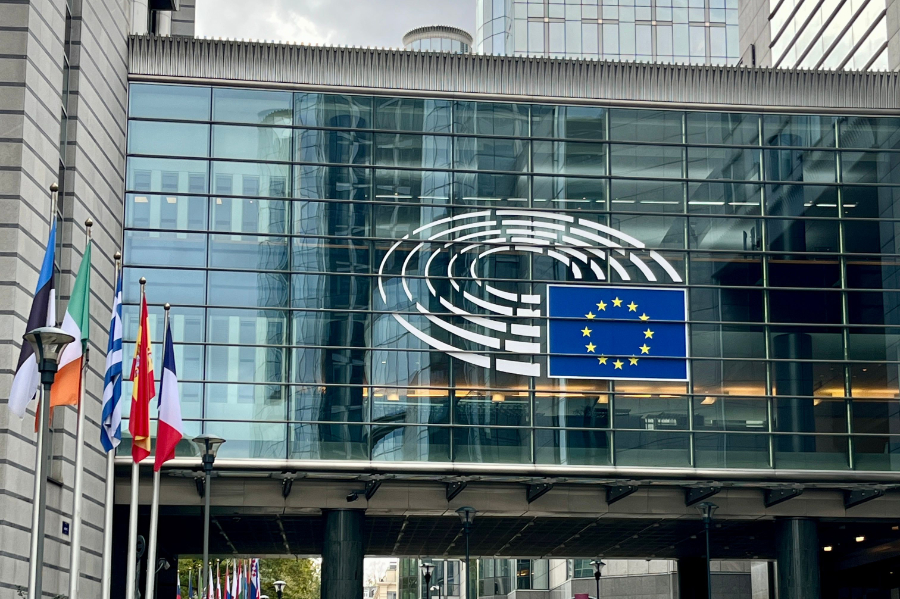
MEPs have voted to reject a European Commission regulation that would have removed soy biofuels from the list of renewable fuels by 2030, a move that could leave the EU exposed to significant retaliation penalties, Transport & Environment has said.
The regulation forms part of the EU’s approach to addressing the use of biofuel feedstocks linked to deforestation, with soy bean cultivation identified as one of the world’s leading drivers of deforestation and land clearance, T&E noted.
Trade retaliation
The Parliament’s rejection of the regulation could expose the EU to trade retaliation from Indonesia and Malaysia, for ‘failing to meet a legal obligation to update its laws regarding deforestation-risk biofuels’ according to a letter sent to MEPs by Energy Commissioner Dan Jørgensen.
These could total more than $5.6 billion a year, if the bloc is found to have failed to meet commitments made following an earlier World Trade Organization (WTO) dispute.
The EU previously prevailed in a WTO case brought by Indonesia and Malaysia over its decision to phase out palm oil-based biofuels. Under that ruling, the EU was permitted to maintain the phase-out on the condition that it applied a consistent, science-based approach when identifying biofuel feedstocks linked to a high risk of deforestation.
As a result of its latest vote, this condition will not now be met, opening the bloc up to potential litigative actions.

‘Targeted lobbying’
“This decision comes after relentless, targeted lobbying from the bioenergy and agriculture industries, so they can continue to use deforestation-driving soy to make biofuels,” commented Cian Delaney, biofuels campaigner at T&E.
“Soy is one of the world’s leading causes of deforestation and land clearance. Considering it as a sustainable alternative to fossil fuel is a gross underestimation of the impact its cultivation has on the environment, climate and food security.”
In Brazil, for example, land use dedicated to soy cultivation now exceeds that of most European countries, potentially leading to ‘devastating effects’ on the Amazon rainforest and the Cerrado savannah, T&E noted.
The group is calling on EU member states to ‘preemptively phase out’ soy biofuels through national policies regardless of the European Parliament’s decision, noting that some countries, including France, the Netherlands, Denmark and Belgium have already taken steps to exclude soy from their national targets. Read more here.
.