Hantavirus outbreak highlights importance of forest restoration, says IUCN
The deadly hantavirus outbreak aboard the cruise ship MV Hondius has prompted renewed attention on the connection between ecosystem degradation and the spread of infectious diseases, the International Union for Conservation of Nature (IUCN) has said.

The deadly hantavirus outbreak aboard the cruise ship MV Hondius has prompted renewed attention on the connection between ecosystem degradation and the spread of infectious diseases, the International Union for Conservation of Nature (IUCN) has said.

The outbreak, which is linked to the Andes strain of hantavirus, has already claimed several lives, and has prompted international contact tracing efforts. Initial exposure is understood to have occurred in Argentina, and transmitted to humans through rodent urine, saliva or faeces.

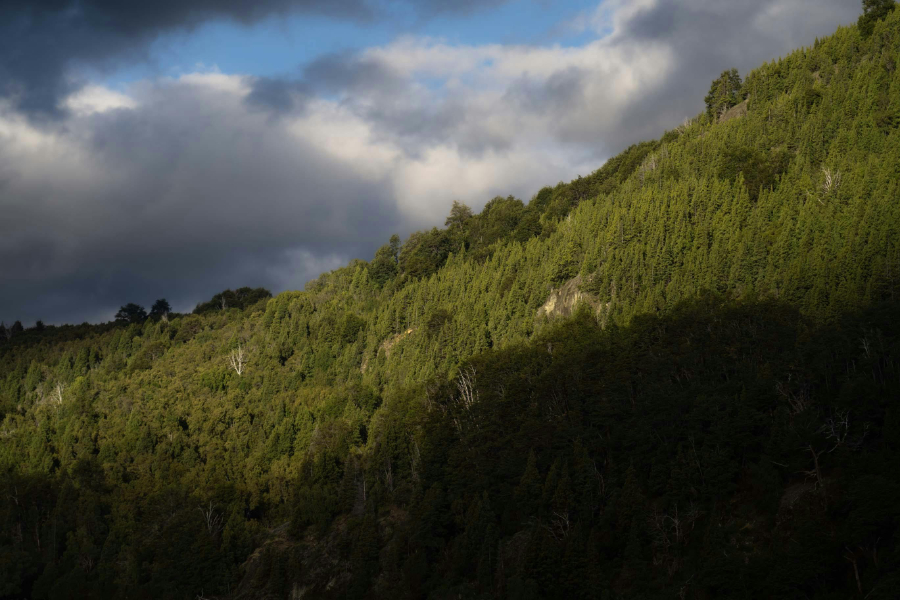
As the IUCN noted, such an outbreak underlines the ‘critically important’ need to protect the environment, with researchers having long observed that ‘deforestation, habitat fragmentation, and ecosystem degradation often favour generalist rodent species, the same animals most likely to host dangerous pathogens. When forests are disturbed, biodiversity is lost and disease-carrying rodents thrive closer to people’.

Forest restoration

A 2021 study by IUCN senior programme coordinator Paula Prist, Moving to healthier landscapes: Forest restoration decreases the abundance of Hantavirus reservoir rodents in tropical forests, found that the restoration of forest landscapes can play a key role in reducing populations of two major hantavirus reservoir species, Oligoryzomys nigripes and Necromys lasiurus.

As the study noted, full-scale restoration projects could reduce one rodent species by nearly 89% and another by up to 46%, in turn reducing hantavirus transmission risk for almost 2.8 million people living in vulnerable areas.

‘Public health intervention’

“Restoration should be recognised as a public health intervention,” Prist commented. “While its role in mitigating climate change and restoring biodiversity is well established, it is also a vital strategy for protecting human health.”

According to the IUCN, while the outbreak aboard the cruise ship may have begun with a single exposure event, researchers say it reflects broader global trends in which environmental disruption and public health are becoming more closely linked – a so-called ‘One Health’ scenario. Read more here.

Discover more from Sustainability Online

Subscribe now to keep reading and get access to the full archive.

Continue reading