No Australian community is likely to be immune from what the country’s government has described as ‘cascading, compounding and concurrent’ climate risks.
The government made the claim as it published the National Climate Risk Assessment (NCRA), the first comprehensive assessment of the risks posed by climate change across Australia, as well as a plan as to how best the country can adapt to climate-related impact.
As it noted, since 2022, Australia has made ‘important progress’ when it comes to cutting emissions and taking steps to tackle climate change. Between now and the mid-part of the century, ‘every action’ taken towards the country’s goal of net zero by 2050 will help limit the impact on Australian communities and businesses.
Future generations
“Australians are already living with the consequences of climate change today, but it’s clear every degree of warming we prevent now will help future generations avoid the worst impacts in years to come,” commented Chris Bowen, minister for climate change and energy.
“After a decade of denial and delay, we are acting on climate change – and it’s working. Emissions are coming down, there is record investment in clean energy and we’re working alongside communities to respond and adapt to the impacts. Australia’s first National Climate Risk Assessment and our National Adaptation Plan are a roadmap to address the unavoidable impacts of climate change, to build a more resilient country for all communities, regions and industries.”
The NCRA was developed by the Australian Climate Service and incorporates data and analysis from the Bureau of Meteorology, CSIRO, the Australian Bureau of Statistics and Geoscience Australia.
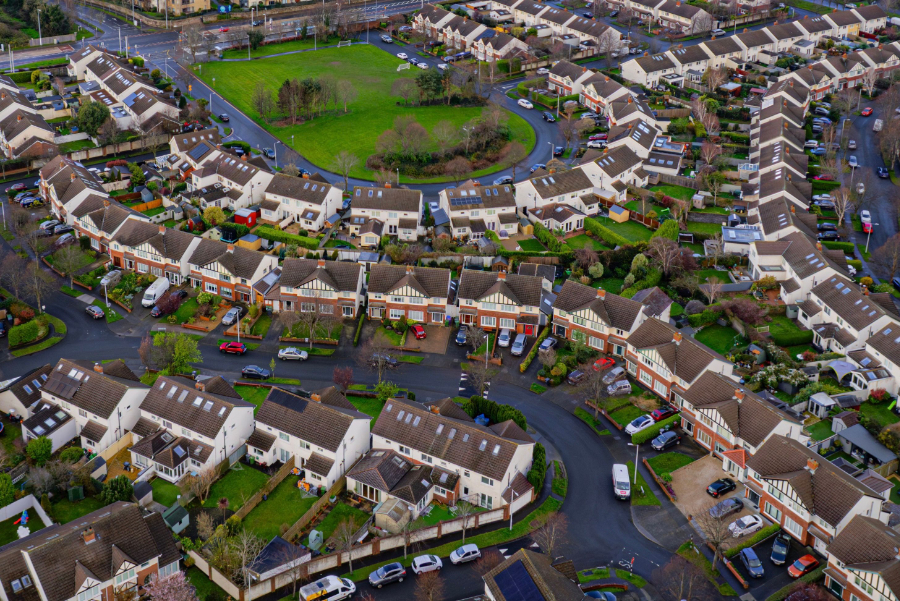
It states that Australians will continue to experience climate hazards – such as floods, cyclones, heatwaves, droughts, and bushfires – ‘more frequently, more severely, and often at the same time’, with northern Australia, remote communities and outer suburbs likely to be the most affected.
Climate adaptation measures
Since being elected, the Albanese government has directed AU$3.6 billion into climate adaptation and resilience programmes, while climate change response is also being built into a range of government spending decisions in other areas.
According to the report, every AU$1 invested in climate adaptation today can generate a return of AU$10 in the future.
“Equipped with the most comprehensive and detailed understanding of the climate risks we face, Australia will be in a stronger position than ever before to plan and deliver appropriate responses,” added Josh Wilson, assistant minister for climate change and energy. “Acting now will minimise the cost of responding that will fall on individuals, households, businesses, industry, community groups, and governments alike.” Read more here and here.