British energy secretary Miatta Fahnbulleh has said that the rollout of plug-in solar panels in the UK represents a “simple, affordable way for households to take control of their energy bills and start saving straight away”.
Fahnbulleh was commenting as the UK government gave the go ahead for the sale and use of the panels, which have the potential to save households up to £110 per year on their electricity bills.
“From this summer, we’re giving more families the ability to power their homes with clean homegrown energy,”she added.
Plug-in solar
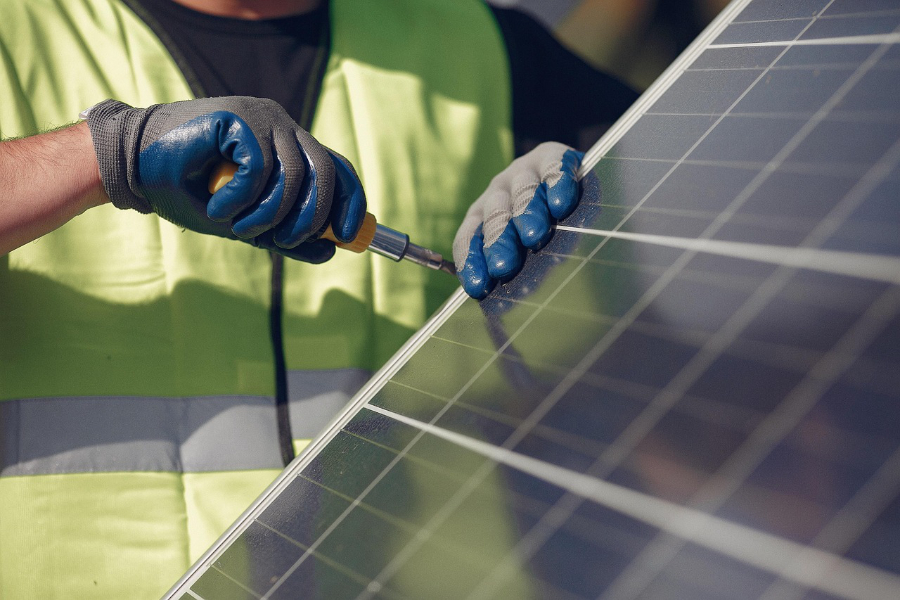
Each plug-in solar kit can generate up to 800W of power, potentially supplying up to 20% of an average home’s electricity use, and capable of powering appliances such as fridges, televisions, Wi-Fi routers, laptops and phone chargers among others.
Retailers such as Amazon, Argos, B&Q, Currys, Screwfix and Wickes have committed to making plug-in solar products available online and in stores.
“The government’s announcement on plug-in solar panels is a practical step that gives households a simple way to generate their own power, reduce bills, and contribute to the UK’s net zero goals. We’re looking forward to helping customers benefit from this technology,” added John Boumphrey, UK & Ireland country manager, Amazon.
Safety specifications
The British government said the UK safety specifications with regard to plug-in solar panels is more stringent than Germany’s, where around 500,000 new devices were plugged in during 2025.
It added that those in rental properties may need approval from their landlord before introducing the panels, while those in flats and other properties may require permission from a building owner or freeholder.
“This is a great example of industry and government coming together and delivering quickly for Britain,” added Chris Hewitt, CEO of Solar Energy UK.
“Solar and batteries are already the most effective way for homes and businesses to slash their energy bills by more than half, and making plug-in solar lawful will bring cheap, clean power to households that have not been able to access these benefits before.” Read more here.