Renewable energy sources provided 41.2% of the gross electricity consumption of the European Union in 2022, new data from Eurostat has found.
This is 3.4 percentage points higher than the previous year (2021: 37.8%), and is well ahead of other electricity sources, including nuclear (less than 22%), gas (less than 20%), and coal (less than 17%).
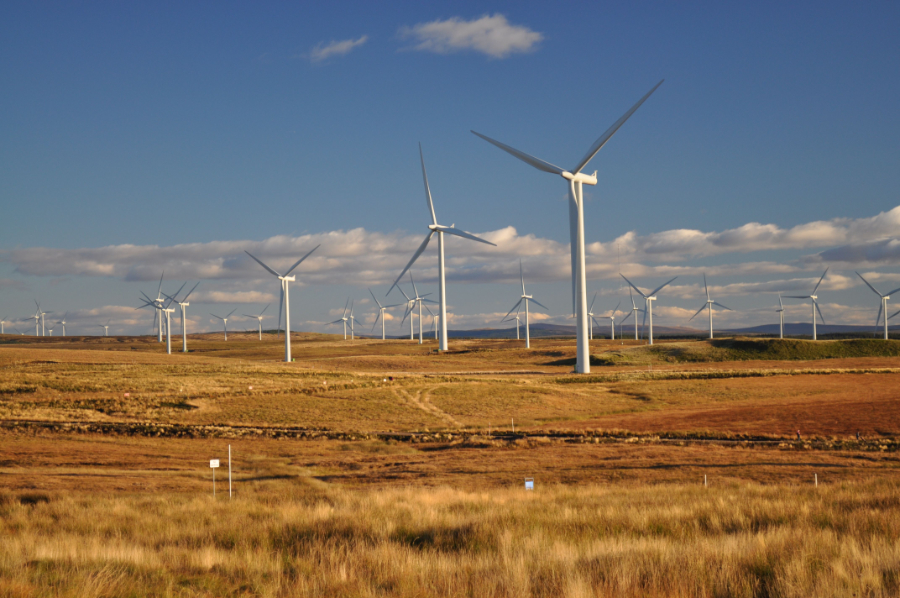
Wind and hydropower combined contributed to more than two-thirds of the total electricity generated from renewable sources in the bloc in 2022, with wind accounting for 37.5% and hydropower for 29.9%.
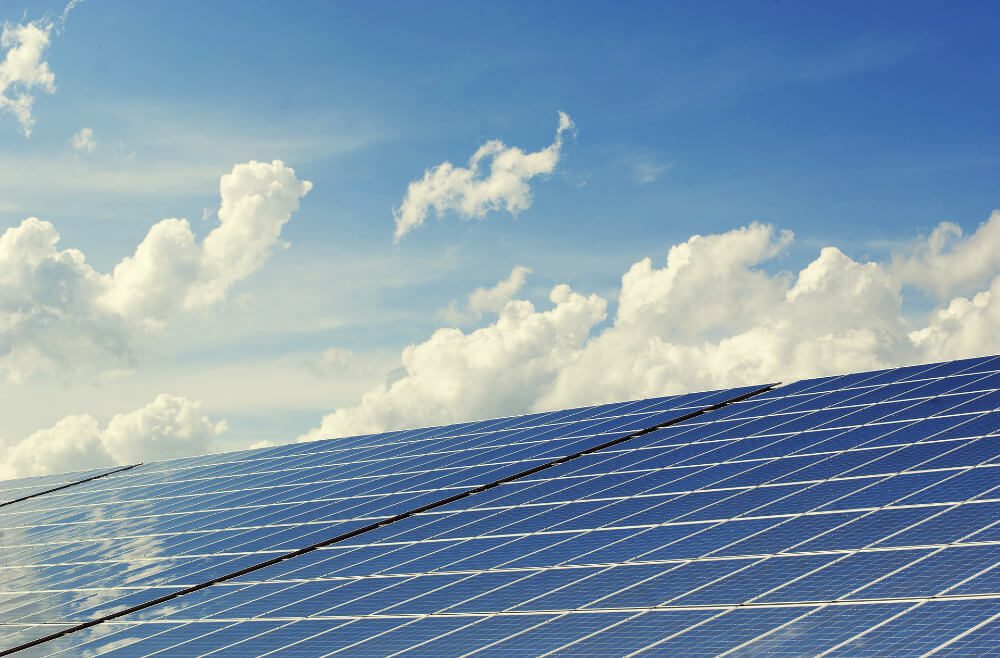
The remaining one-third of renewable electricity generation comprised solar power (18.2%), solid biofuels (6.9%), and other renewable sources (7.5%).
Solar power has emerged as the fastest-growing energy source – in 2008, it comprised only 1% of the electricity consumed in the EU.
In total, renewable energy sources increased by 5.7% from 2021 to 2022, the data showed.
Read more: Greenhouse gas emissions in EU declined 7.1% in Q3 2023
Sweden leads the way
Sweden was the EU country with the highest percentage of electricity sourced from renewable sources, at 83.3%, mostly powered by hydro and wind energies.
Denmark, which mostly relies on wind, generated 77.2% of its energy from renewable sources, while Austria generated 74.7%, mostly from hydro sources.
Shares exceeding 50% were also recorded in Portugal (61.0%), Croatia (55.5%), Latvia (53.3%), and Spain (50.9%), while the lowest shares of electricity from renewable sources were reported in Malta (10.1%), Hungary (15.3%), Czechia (15.5%), and Luxembourg (15.9%).
⚡🌎The share of renewable energy in gross electricity consumption in the EU was 41.2% in 2022.
— EU_Eurostat (@EU_Eurostat) February 21, 2024
🔹 Wind and hydropower accounted for 37.5% and 29.9%, respectively. 18.2% came from solar power.
For more info 👉 https://t.co/IuHtB3QtEa pic.twitter.com/7TMOrSiALU
Want to learn more about why environmental sustainability is important to your business? Ensure www.sustainabilityonline.net is your go-to source.