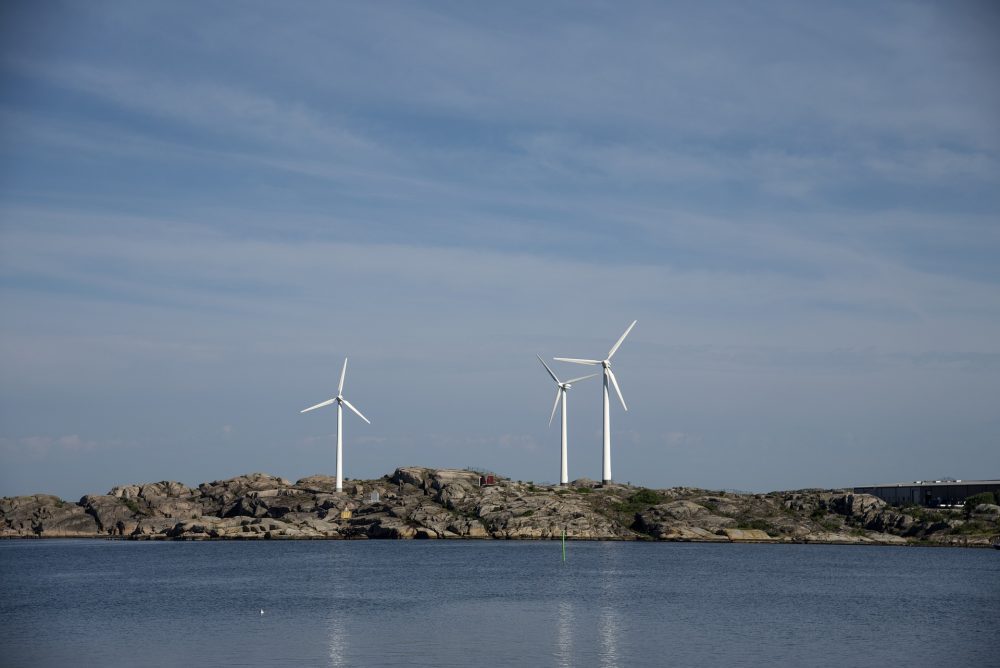
In 2022, Sweden generated the highest proportion of energy sourced from renewables in the EU, with just over 66% of its energy sourced from hydro, wind and biofuels, as well as heat pumps.
Finland generated 47.89% of its energy from renewables, primarily from hydro, wind, and biofuels, surpassing Latvia, which derived 43.3% of its energy from renewable sources, according to the data.
On a broader scale, Norway led in the overall European Economic Area, with 75.8% of its energy coming from renewables.
In contrast, Ireland produced only 13.1% of its energy from renewable resources, and Malta (13.4%), Belgium (13.76%), and Luxembourg (14.36%) also reported lower percentages, the Eurostat data showed.
Across Europe
At the EU level, the share of energy sourced from renewables reached 23.0% in 2022, marking a 1.1 percentage point increase from the previous year.
The revised EU Renewable Energy Directive has raised the EU’s 2030 renewable energy target from 32% to 42.5%, with a potential increase to 45%.
As a result, EU member states need to intensify their collective efforts to meet the updated 2030 target for renewable energy.
Top Countries by Share of Energy from Renewable Sources (% 2022)
| Country | Percentage |
|---|---|
| Norway | 75.82 |
| Sweden | 66.002 |
| Finland | 47.886 |
| Albania | 44.076 |
| Latvia | 43.316 |
| Denmark | 41.601 |
| Montenegro | 39.944 |
| Estonia | 38.472 |
| Portugal | 34.677 |
| Austria | 33.758 |
| Lithuania | 29.599 |
| Croatia | 29.354 |
| Serbia | 27.077 |
| Romania | 24.14 |
| European Union – 27 countries | 23.02 |
| Slovenia | 22.937 |
| Greece | 22.678 |
| Spain | 22.116 |
| Moldova | 21.538 |
| Georgia | 21.151 |
| Germany | 20.796 |
| France | 20.259 |
| Cyprus | 19.429 |
| Bulgaria | 19.095 |
| Italy | 19.006 |
| Kosovo | 18.779 |
| North Macedonia | 18.682 |
| Czechia | 18.195 |
| Slovakia | 17.501 |
| Poland | 16.873 |
| Hungary | 15.19 |
| Netherlands | 14.972 |
| Luxembourg | 14.356 |
| Belgium | 13.759 |
| Malta | 13.404 |
| Ireland | 13.107 |