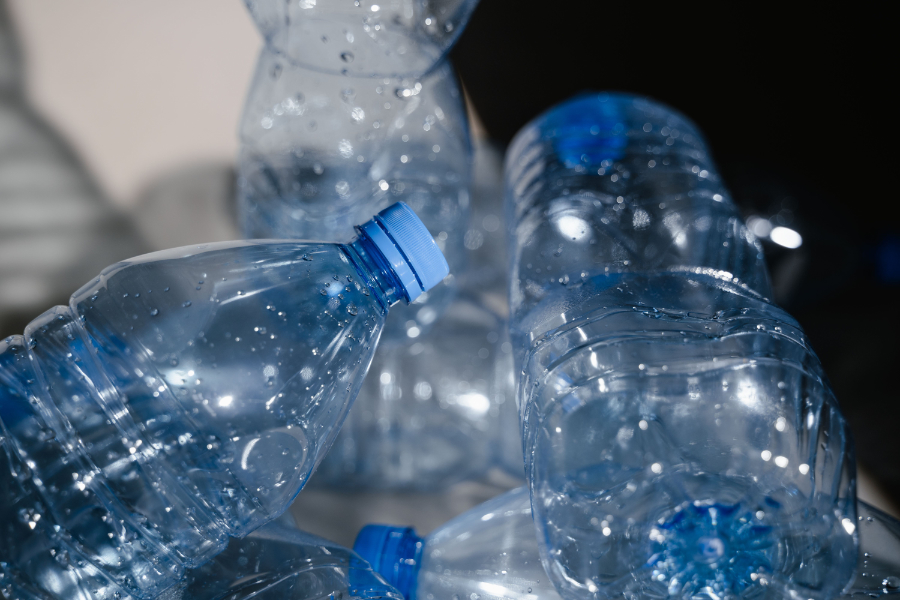
The PET packaging industry in the US could reduce its annual emissions footprint from beverage bottle systems by 42% by 2050, even as production increases, a new study commissioned by the National Association for PET Container Resources (NAPCOR) has suggested.
NAPCOR’s report, The PET Forward: A Decarbonization Roadmap for the PET Packaging Value Chain, was undertaken by consulting firm Eastern Research Group (ERG), and examined emissions across the lifecycle of PET beverage bottles.
As it found, short- to medium-term emissions reductions in the sector can be achieved through a myriad of measures, including lightweighting, greater use of renewable energy and improvements in manufacturing efficiency.
In the longer-term, meanwhile, stronger collection systems, increased use of recycled content, and investment in recycling infrastructure can underpin a low-emission sector, it added.
‘A position of strength’
“PET is already starting from a position of strength,” commented Laura Stewart, executive director of NAPCOR. “It has a lower greenhouse gas footprint than common beverage packaging alternatives, is the most recycled plastic in the world, and is supported by an established bottle-to-bottle recycling system operating at scale.
“This roadmap shows that we don’t have to choose between meeting growing consumer demand and continuing to improve environmental performance; we can do both.”
NAPCOR’s report also suggests that notable progress could be made ‘well before 2050’, suggesting that the average emissions intensity of 16.9-ounce PET water bottles, measured per 1,000 gallons of beverage delivered, could fall by approximately 44% by 2035 compared with a 2023 baseline.
It noted that access to ‘reliable supplies of high-quality recycled PET’ is fundamental to the sector’s transition, as is the rollout of collection and sorting infrastructure, recycling capacity and policy.
‘Cumulative impact’
“The analysis is designed as a roadmap,” added Dr. Mariya Absar, senior LCA expert at ERG. “It models the cumulative impact of multiple strategies over time and includes sensitivity analyses to account for variables such as future production growth and different approaches to measuring the benefits of recycling.
“The result is a framework for identifying where the PET industry can act today and where collaboration across the value chain will be necessary to achieve further progress.” Read more here.