Last year saw the biggest ever increase in renewable energy jobs, from 13.7 million in 2022 to 16.2 million in 2023 – an 18% increase.
The International Renewable Energy Agency (IRENA) and International Labour Organization (ILO) made the claim in the Renewable Energy and Jobs – Annual Review 2024, in which the groups noted that the strong year-on-year increase reflects strong growth in renewables-generating capacities, together with a continued expansion of equipment manufacturing.
This growth, however, is being dominated by one country – China – which accounted for close to two thirds of new global solar and wind capacity installations last year.
As a result, China accounts for an an estimated 7.4 million renewable energy jobs, or 46% of the global total. This is followed by the European Union, with 1.8 million, Brazil with 1.56 million, and the United States and India, each of which have close to 1 million jobs.
Solar leads the way
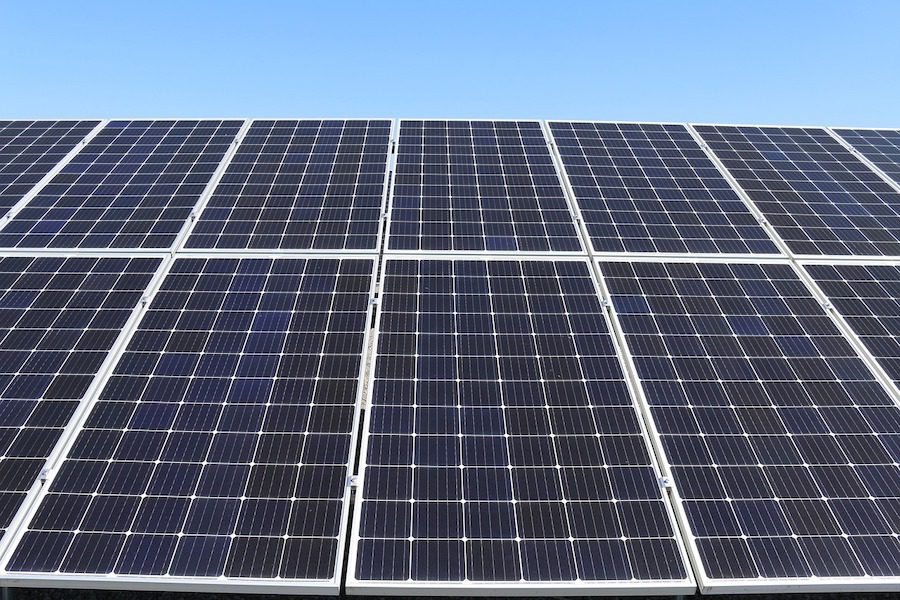
The solar/photovoltaics sector has been the largest driver of job growth in the renewable energy industry, supporting 7.2 million jobs worldwide. Among these, 4.6 million jobs were in China, the leading manufacturer and installer of PV technology.
Significant investments from China have also helped Southeast Asia become a key export hub for solar PV, creating jobs in that region, the report found.
Liquid biofuels followed as the second-largest source of jobs, with hydropower and wind energy next in line. Brazil leads the biofuels sector, contributing one-third of the global total of 2.8 million jobs in this field.
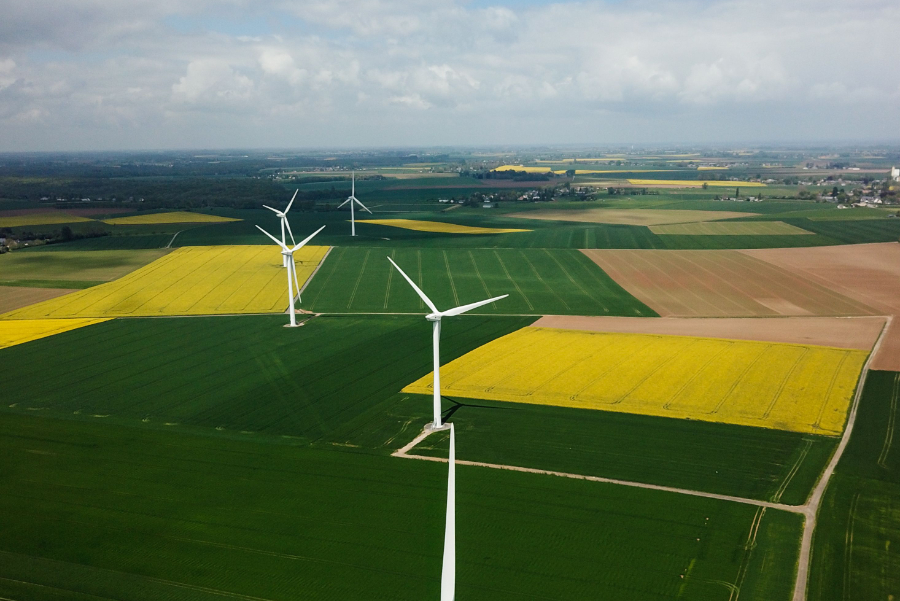
Hydropower experienced a decline, with the number of direct jobs falling from 2.5 million in 2022 to 2.3 million in 2023, while in the wind energy sector, China and Europe maintain strong positions. China leads with 52% of global jobs, while Europe contributes 21% to the total of 1.5 million wind jobs worldwide.
At the same time, Africa continues to receive only a small share of global renewables investments, which translated into a total of 324,000 renewables jobs in 2023.
International collaboration
“The story of the energy transition and its socio-economic gains should not be about one or two regions,” commented Francesco La Camera, IRENA director-general. “If we are all to fulfil our collective pledge to triple renewable power capacity by 2030, the world must step up its game and support marginalised regions in addressing barriers impeding their transitions progress.
“Strengthened international collaboration can mobilise increased finance towards policy support and capacity building in countries that are yet to benefit from renewables job creation.”
Education and skills
ILO director general Gilbert F. Houngbo added that investment in education, skills, and training can help prepare the workforce for the growing transition to renewable energy.
” It is essential if we are to equip workers with the knowledge and skills that they need to get decent jobs, and to ensure that the energy transition is a just and sustainable one,” he said. “A sustainable transition is what the Paris Agreement requires of us, and what we committed to achieving when we signed up to the Agreement.” Read more here.