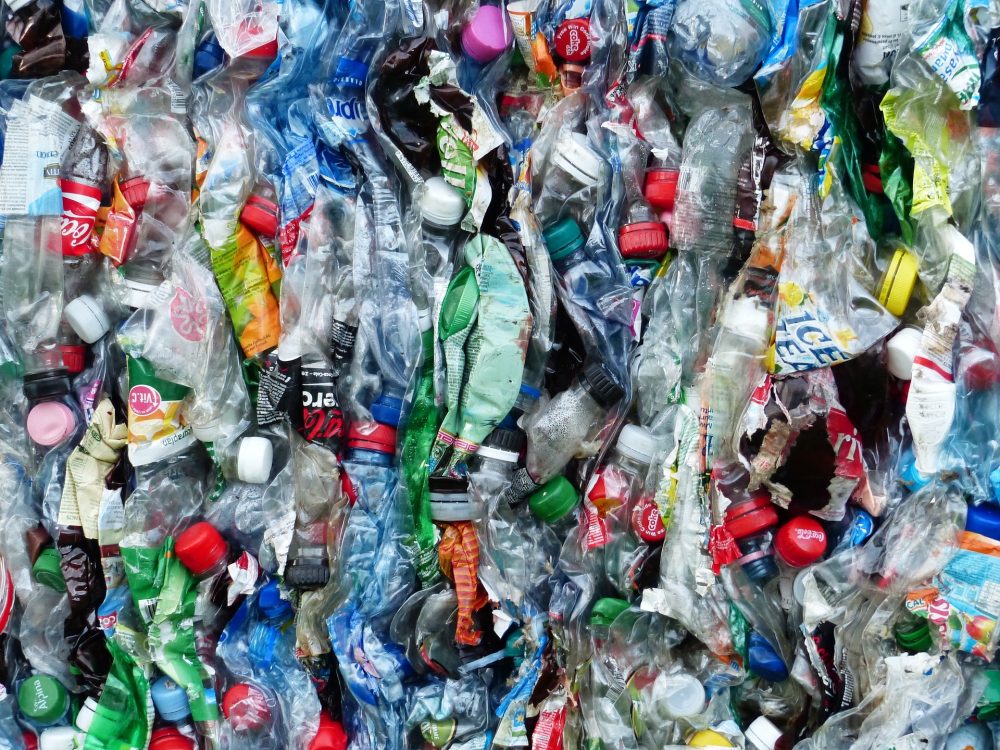
New research from PA Consulting has revealed a gap between consumer intent and action around sustainable packaging, with close to four in five (78%) of consumers failing to choose reusable and refillable packaging.
This is despite 80% of respondents believing that ‘we must all play a part in reducing plastics‘, the study found.
The survey of 4,000 consumers in the UK and US found that more than half (57%) are concerned about the amount of single-use plastic and non-recyclable materials used in food and drink packaging.
At the same time, however, two thirds (38%) say that they recognise the importance of being environmentally friendly but find it difficult to incorporate it into their routine. Close to half (45%) say that they don’t recycle paper, plastic, glass and metal products in designated recycling bins or centres.
Behavioural change
“Reusable and refillable packaging is at a critical juncture, with the quick-service industry seeking ways to accelerate sustainability and new plastics and packaging regulation coming into force globally,” commented Matt Millington, PA’s design strategy lead for the UK. “However, our survey highlights that behavioural change is needed to make reusable packaging stick and close the say-do gap.”
Other findings highlight how the ‘culture of convenience’ is a barrier to adoption, with 44% citing difficulty in remembering to bring reusable packaging, and 39% worried about the ‘hassle’ of returning, cleaning, or storing reusable packaging.
Financial rewards
Financial rewards serve as strong incentives for people, the study also found. Some 43% of consumers expressed willingness to use reusable packaging more if they received a small monetary reward for returning it.
Additionally, 37% indicated that they would be more inclined to use reusable packaging if there were no fees associated with borrowing it.
“Understanding how to motivate consumers and remove barriers to engagement; designing packaging systems that enable convenient returns; and regular nudges at the most valuable points of influence in the customer and pack journey,” Millington added.
“Only in doing so will businesses be able to tip the balance towards planet-positive consumer behaviour and leverage the full opportunities of sustainable packaging to build a positive human future.”
In this new era of sustainability, businesses need to adapt. Keep up to date with the latest developments at www.sustainabilityonline.net.