Some 86% of consumers expect brands to play a ‘crucial role in driving positive change’, a new study by PA Consulting has found.
This is 12% higher than a year ago, it noted.
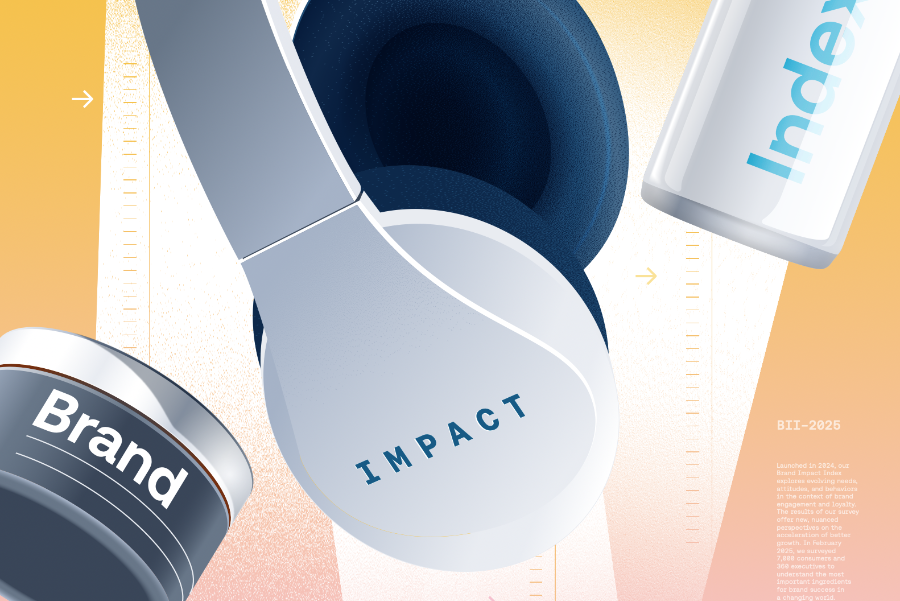
PA Consulting’s Brand Impact Index, which was based on responses from 7,000 US consumers and 360 brand leaders, noted that consumers have increased expectations from the brands they choose to purchase, with five components – customer centricity, dependable delivery, intelligent innovation, conscious creation, and community connection – key to defining better growth.
‘Now, more than ever, consumers want brands to listen, respond, and engage on an emotional level,’ the report noted. ‘Price still matters, but it’s not the only driving factor. Today’s consumers gravitate toward brands that understand them, bring joy to daily life, and stand for something greater.’
Conscious creation
With regard to ‘conscious creation’ – in which brands are expected to reflect consumer values – consumers are increasingly turned off by brands that put profit before the planet, with more than three quarters (77%) saying they lose respect for brands that do so.
Consumers are also ‘hyper-sensitive’ to corporate greenwashing, expecting brands to deliver a ‘common good today, but also tomorrow’, according to PA Consulting.
‘While half of the leaders we surveyed recognise their responsibility to deliver wider societal value, this doesn’t always lead to action,’ it noted. ‘Often, the appetite to create consciously depends on product category.’
Leading the way
It identified Tony’s Chocolonely as an example of a brand that has been successful while championing ethical cocoa sourcing, as well as PulPac, which is working on a plastic alternative with a 90% lower carbon footprint than plastic, manufactured at a low cost.
Companies in the technology, sports and fitness, and consumer electronics space are most attuned to conscious creation, the report added, with values-led brands like Rivian, Orangetheory Fitness, The Honest Company, Urban Remedy, and SoulCycle among those leading the charge.
‘Over half of all leaders recognise that conscious creation inspires customer loyalty, deeper consumer trust, and builds brand equity,’ as the report puts it. ‘But turning intent into action is a barrier, particularly when integrating sustainability into design.’ Read more here and here.