Meat products that carry sustainability labelling do cost more, however the price premium varies significantly depending on the type of product and label, a new study has found.
According to the study, Price premiums for meat products with sustainability labels, which was published in PLOS One, ‘organic’ labelled chicken is likely to feature an average price premium of around 7%, while ‘grass-fed’ labelled beef can command an average 33% increase.
‘Sustainability labels are an emerging category of labels for animal products in the United States,’ it noted. ‘These labels have the potential to offer several benefits to the US consumer, but their retail market status in terms of both availability and value are not well understood.’
Meat product observations
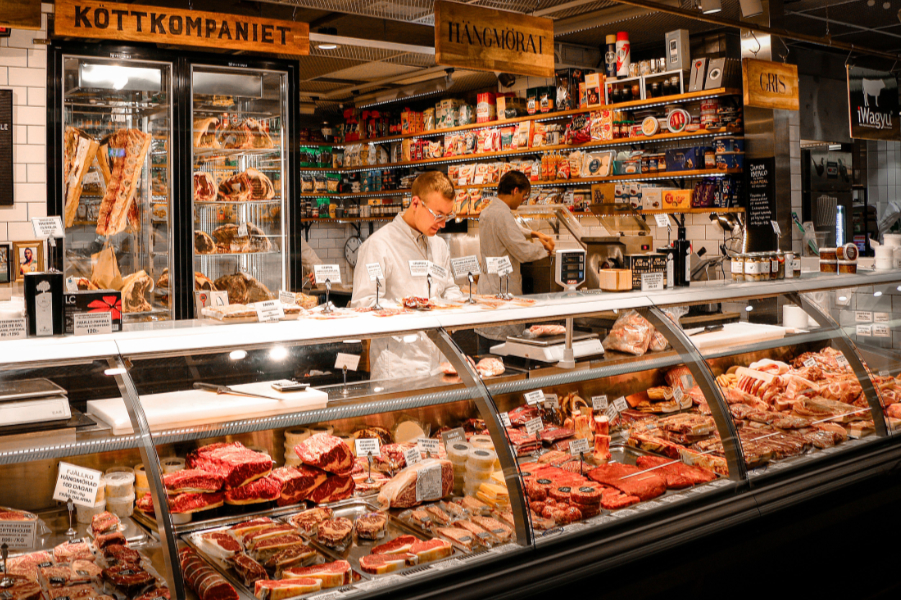
The study was based on more than 753,000 meat product observations collected from the websites of 20 grocery chains across 47 US states as well as Washington DC. The dataset covered 425,761 beef, 196,450 chicken and 131,157 pork products. Among the sustainability claims assessed were ‘organic’, ‘grass-fed’, ‘non-GMO’, ‘less greenhouse gas’ and ‘gluten-free’.
The largest premiums were associated with products carrying a ‘less greenhouse gas’ related label, with a premium of 68.7% found among beef products, and a 64.7% premium for chicken. However, the number of products carrying such claims were low in both instances – representing just 0.35% of beef observations and 0.12% of chicken observations.
‘Organic’ and ‘grass-fed’ products also attracted significant premiums. Organic beef carried an average premium of 32.57%, while grass-fed beef was associated with a 32.97% premium. For chicken, organic products carried a 7.29% premium, and grass-fed products 16.88%.
Pork, meanwhile, carried some of the highest premiums among the other claims assessed – ‘non-GMO’ pork carried an estimated premium of 98.57%, however the claim appeared on only 0.19% of products. Organic pork carried a 43.33% premium, while grass-fed pork had a 62.90% premium.
Sustainability claims
As the researchers also noted, the value attached to sustainability claims was not consistent across all meat categories assessed, i.e. a claim commanding a high premium for one type of meat could have a much smaller effect on another.
‘While current research sets a market context for these labels, it remains unclear the true extent to which sustainability labels are present in the retail meat market,’ the researchers said. ‘Furthermore, as retail premiums for other labels have exhibited considerable heterogeneity and premiums function as the core market incentive for driving specialty market offerings, it is critical to understand the current retail premiums for sustainability labels.’
The study received funding from the US Department of Agriculture’s National Institute of Food and Agriculture through a Hatch Project and from the USDA Economic Research Service through a cooperative agreement. Read more here and here.