Some 64% of consumers globally are either ‘likely’ or ‘very likely’ to choose an EV as their next vehicle purchase, a new study by Tata Consultancy Services (TCS) has found.
According to the 2025 Future-Ready eMobility Study, the transition to EVs is being driven by cost-saving benefits as well as consumer demand for sustainability, however obstacles remain, including a lack of adequate charging infrastructure and challenges related to battery technology.
Some 1,300 respondents were surveyed as part of the study, including consumers, fleet adopters, EV manufacturers, and influencers.
Charging infrastructure
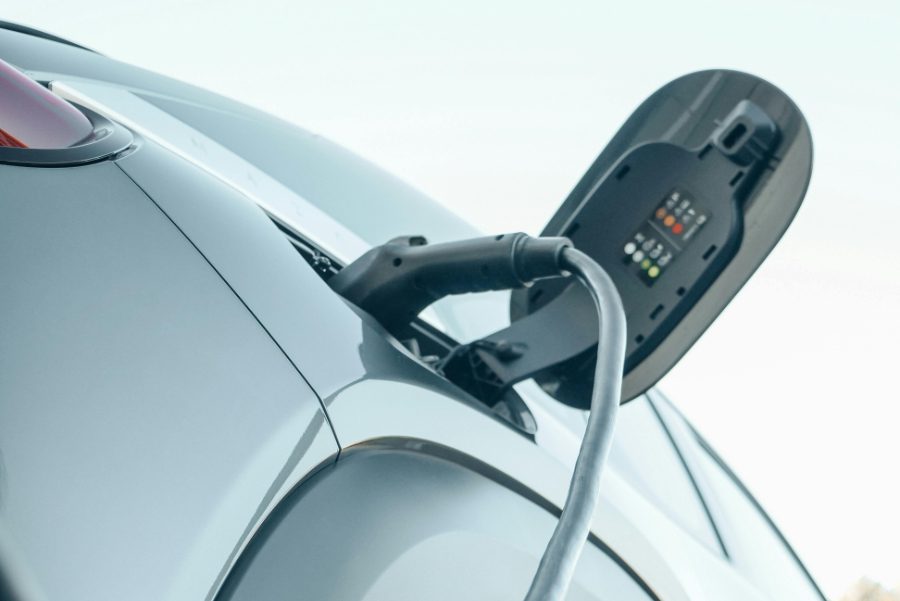
A lack of charging infrastructure was cited as a hurdle to EV adoption by 60% of consumers and 74% of EV manufacturers, making it the biggest barrier to EV market expansion.
At the same time, the environmental benefits of sustainable transport are resonating with consumers – some 63% of EV influencers noted the achievement of net-zero emissions, and the associated reduction in carbon footprint, as a key driving factor behind the switch to EVs.
However, influencers also raised concerns over the carbon footprint associated with the manufacturing and energy sources used to charge EVs.
When asked how much they would be willing to spend on an electric vehicle, some 56% of respondents said that they would spend up to $40,000.
Advancements in battery technology are seen as crucial for the future development of the EVs market, with 90% of manufacturers and 84% of influencers highlighting the importance of innovations to optimise range and charging speed.
The study also revealed regional differences in EV adoption trends. While 72% of U.S. consumers expressed strong interest in EVs, only 31% of Japanese respondents shared the same enthusiasm.
‘Transformative shift’
“Observing a transformative shift unfold in real time is both inspiring and unnerving,” Anupam Singhal, president of manufacturing at TCS, commented.
“Nowhere is this more evident than in the global transition to electric mobility. This transition is not just a technological evolution but an imperative for many, with far-reaching social and economic implications. Whether you embrace it, or resist it, the rise of electric vehicles is inevitable, and it will redefine the future of mobility, industry and sustainability.” Read more here.