
45% of Fortune Global 500 companies plan to be net zero by 2050
Some 45% of Fortune Global 500 companies are planning to be net zero by 2050, up from 39% last year, and from 8% in 2020.

A business news platform with a sustainable focus. Featuring the latest sustainability news and ESG insight, viewed through a business lens.

Net Zero refers to the point at which greenhouse gas emissions released into the atmosphere are balanced by the removal of an equivalent amount of emissions, with organisations first reducing emissions as far as possible before addressing any residual emissions through permanent removals. Achieving net zero requires comprehensive action across Scope 1, Scope 2 and Scope 3 emissions and has become a central objective of corporate sustainability strategies, climate policy and global efforts to limit climate change.
SustainabilityOnline covers the latest developments in net zero strategy, including corporate climate strategies, emissions reduction, decarbonisation, renewable energy, climate disclosure, carbon accounting and evolving sustainability regulations. We explore how organisations are setting and delivering net zero targets, reducing value chain emissions, strengthening climate governance, adopting low-carbon technologies and integrating net zero into long-term business strategy. We also examine developments in sustainable finance, carbon capture, industrial decarbonisation, climate resilience and corporate sustainability reporting.
Related topics: net zero, greenhouse gas emissions, decarbonisation, carbon reduction, Scope 1 emissions, Scope 2 emissions, Scope 3 emissions, climate change, climate disclosure, carbon accounting, renewable energy, energy efficiency, carbon capture, low-carbon technologies, climate resilience, sustainable finance, corporate sustainability, ESG reporting and climate strategy.
Some 45% of Fortune Global 500 companies are planning to be net zero by 2050, up from 39% last year, and from 8% in 2020.

Widespread ‘short-termism’ and a lack of preparedness are factors weighing on the net zero plans of many financial services businesses.
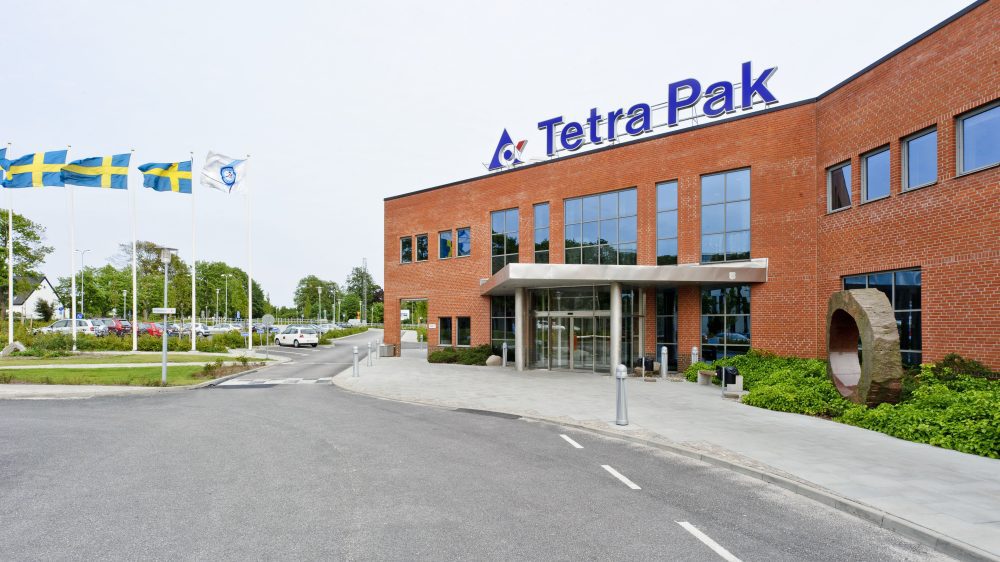
Tetra Pak has said that it is ‘on track’ to achieve net zero greenhouse gas emissions in its own operations by the end of the decade.

More than half (53%) of ESG professionals within the travel industry believe that progress towards achieving a net zero sector by 2050 needs to be ‘accelerated urgently’.

Improved financing structures and implementation could help drive down the cost of the transition to net-zero in developing economies by close to 40%.

The magic that emerges from effective collaboration is undeniable. When diverse minds converge with a shared purpose, the results can be transformative.