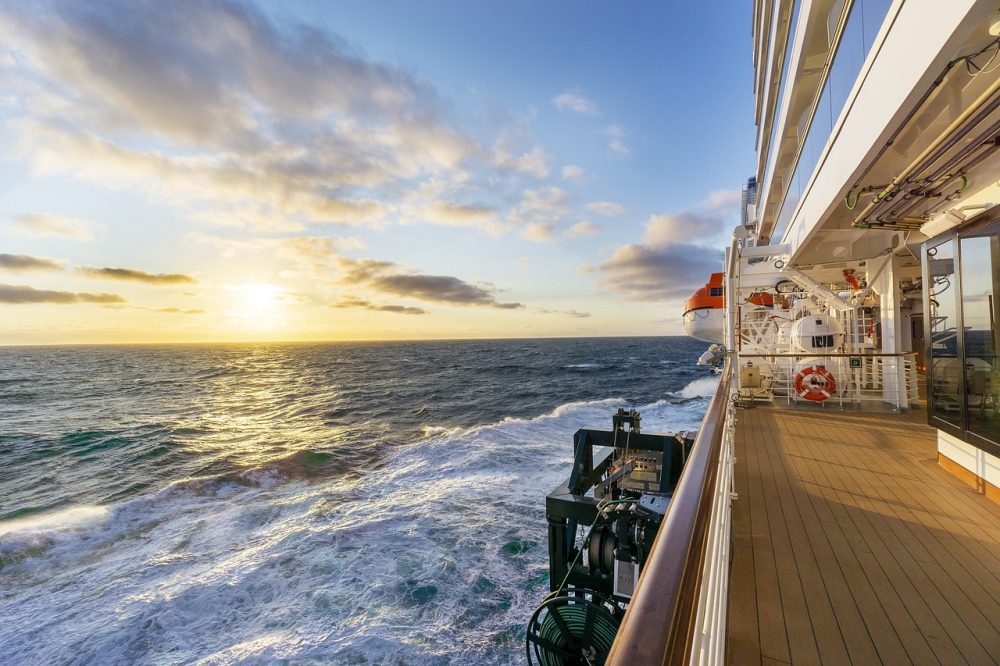
‘Concrete progress’ in advancing the environmental and sustainability agenda of the cruise liner industry will help accelerate the path of the maritime industry to net zero, an industry association has said.
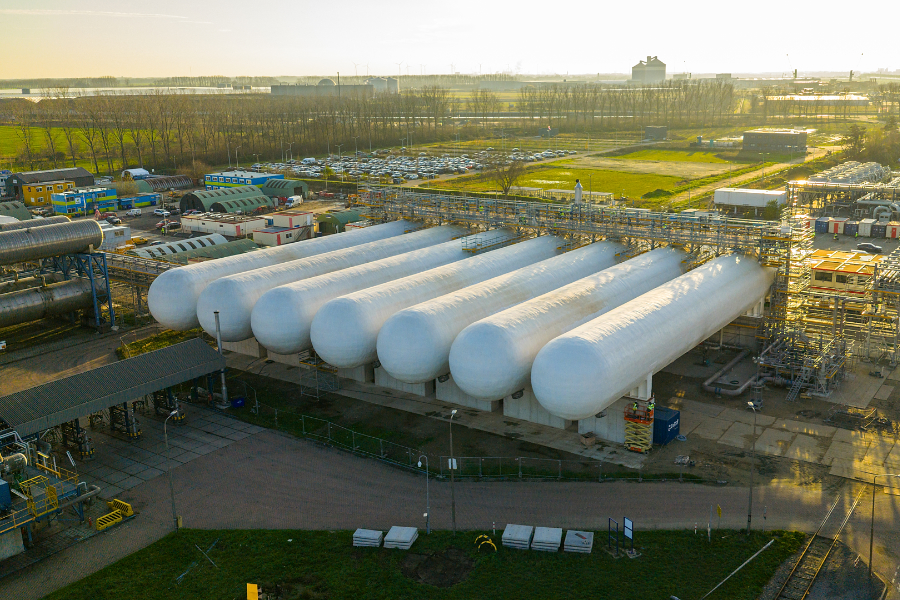
The Cruise Lines International Association (CLIA) noted that 44 new ships are on order over the next five years, of which 25 will be powered by LNG, and seven will be methanol ready on delivery, or methanol capable.
This marks an ‘investment in new engine technologies that will accelerate the maritime transition towards a future of low to zero carbon fuels’, the association said.
Environmental technologies
“Cruise lines continue to transform the modern fleet to protect the oceans, air and destinations enjoyed by millions of passengers each year,” commented Kelly Craighead, president, and CEO, CLIA.
“Our data shows a step change in the uptake of new environmental technologies by our cruise line members. Already today cruise lines are building the ships of the future which will run on new, more sustainable engine technologies. The introduction of these new technologies and the many pilot programs and trials in place reveal how the cruise industry is an innovator and early adopter of technologies that are helping us sail to a more sustainable future.”
Shoreside electricity
According to the CLIA, cruise liners are also taking advantage of other technologies to reduce emissions at berth and at sea, such as shoreside electricity initiatives that enable cruise ships to power down their engines during port stays, resulting in emissions reduction of up to 98%.
The availability of sustainable marine fuels is crucial for realising the maritime industry’s decarbonisation objectives, it added, which emphasises the necessity for governments to back research initiatives that expedite the development of these fuels, ensuring they are both safe and readily accessible for use. Read more here.