C40 Cities and UN-Habitat have announced the expansion of their Urban Planning Accelerator initiative, with 33 cities pledging to adopt climate-responsive urban planning models by 2035.
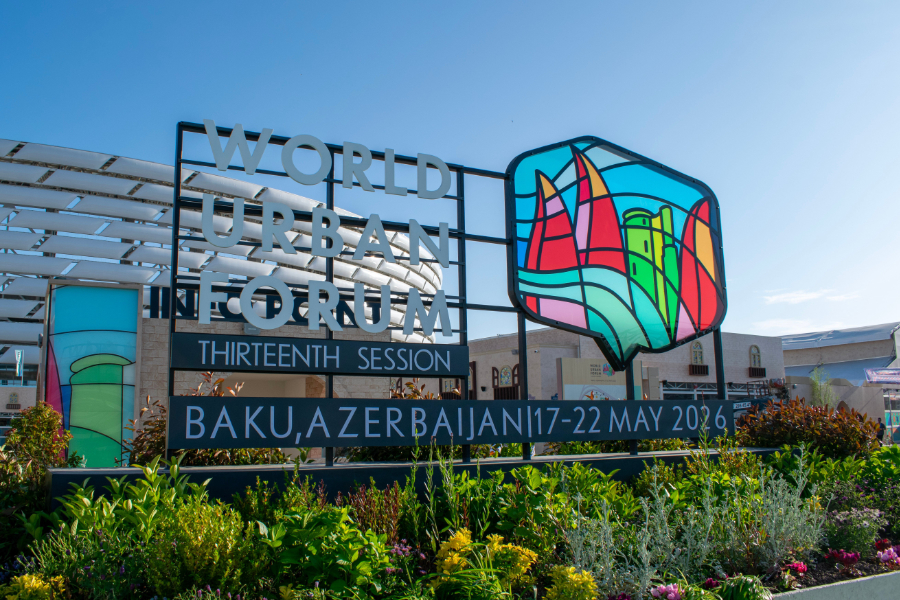
The expansion was announced at the World Urban Forum in Baku, Azerbaijan, which welcomed city leaders and urban planners from around the world to discuss the role of planning in addressing climate risks, housing shortages and inequality.
‘Outdated development’
The C40 Cities and UN-Habitat Urban Planning Accelerator will see city mayors commit to shifting away from ‘outdated development’ formats towards ‘more inclusive, resilient, and emissions-cutting urban futures’, C40 Cities said in a statement.
This includes efforts to move away from urban sprawl, car-oriented growth, and rigid land-use zoning, towards a more climate-responsive urban planning model, which includes commitments to:
- Reduce greenhouse gas emissions through compact, polycentric, and connected urban development;
- Reduce climate vulnerability through risk-informed, nature-positive, and inclusive planning approaches;
- Prioritise regeneration and densification over urban sprawl;
- Encourage mixed-use neighbourhoods and transit-oriented development;
- Restrict new development in high climate-risk areas;
- Protect and restore natural systems that shield cities from extreme weather events; and
- Expand adequate and affordable housing to improve quality of life and resilience for vulnerable communities.
Urban action
“This is a powerful example of how cities are already turning climate ambition into action where it matters most: on the ground, in neighbourhoods, and in people’s daily lives,” commented Mark Watts, executive director of C40 Cities. “Across the world, mayors are showing that good urban planning is climate action, from creating more connected and inclusive communities, to reducing emissions and protecting people from growing climate risks.
“The decisions cities make today about how they grow and develop will shape the resilience, health, and prosperity of urban residents for generations to come. This accelerator is helping cities move from outdated models of urban expansion towards a future that is more sustainable, equitable, and resilient.”
The accelerator was first launched at the 2025 C40 World Mayors Summit in Rio de Janeiro, and builds on the Jameel C40 Urban Planning Climate Labs partnership between C40 Cities and Community Jameel.
The World Urban Forum, in Baku, highlighted practical examples from participating cities such as Tshwane (South Africa), Fortaleza (Brazil), and Bogota (Colombia) showcasing how local governments are already embedding climate mitigation and adaptation into planning decisions. Read more here.
[Photo: © UN-Habitat/Jessica Jones-Langley]

![[Photo: Mary Robinson speaking at a Climate Neutral Now event at COP23, November 2017. Source: UNFCCC]](https://sustainabilityonline.net/wp-content/uploads/2026/07/Mary-Robinson-to-address-LEAD-Network-Annual-Conference-in-October-.jpg)