Tech giant Microsoft has signed a deal with AtmosClear, on a project that will facilitate 6.75 million metric tonnes of permanent carbon removal over a 15 year period.
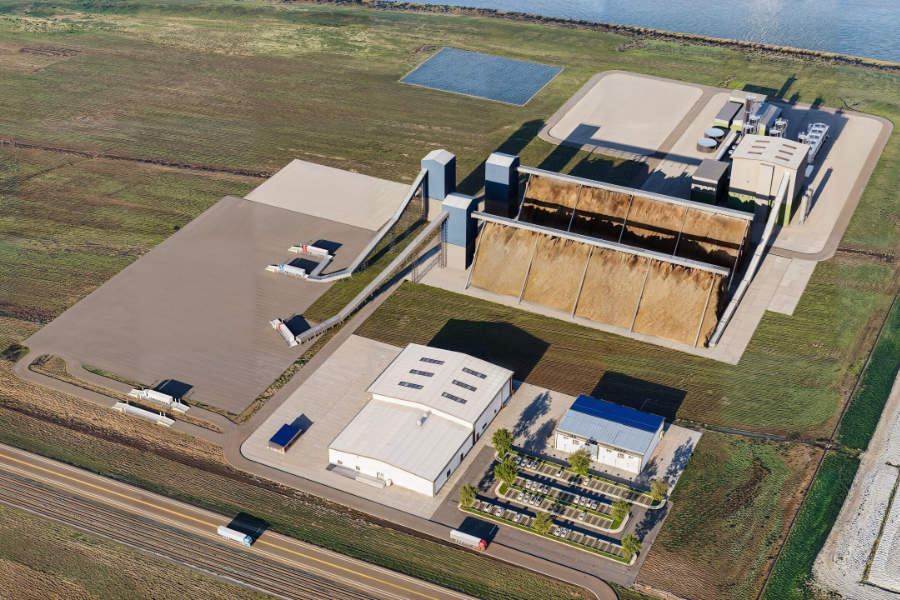
The deal, which is the world’s largest engineered carbon removal agreement, will utilise bioenergy carbon capture and storage (BECCS) technology at a facility at the Port of Greater Baton Rouge, Louisiana.
The facility will use sustainable biomass, including sugarcane bagasse and forestry trimmings, to generate clean energy while also capturing 680,000 metric tonnes of biogenic CO₂ annually. This captured carbon will then be either permanently stored or repurposed into low-carbon fuels.
Construction on the facility is expected to commence in 2026, with commercial operations getting underway in 2029.
According to AtmosClear, which is a Fidelis New Energy portfolio company, the project will see more than $800 million in investment, the creation of 600 construction jobs, and 75 permanent positions. It will also revitalise the local forestry sector, which has seen multiple mill closures in recent years.
‘A transformative moment’
“This contract with Microsoft marks a transformative moment for the high-quality, engineered carbon removal market,” commented Daniel J. Shapiro, CEO of Fidelis. “AtmosClear showcases how proven technologies, paired with sustainable feedstocks like sugarcane bagasse and forest management materials, can deliver meaningful climate impact while providing quality jobs, economic development, and other community benefits.
“We are proud to build infrastructure in Baton Rouge, a place many of us at Fidelis have called home, that not only removes carbon from the atmosphere but also provides economic opportunity for Louisiana.”
Carbon negative
Elsewhere, Microsoft’s Brian Marrs praised the partnership as helping to advance the company’s mission to become carbon negative by 2030.
“We are proud to work with Fidelis on this pathbreaking project, which will bring together science, engineering, and commercial innovations to offer a compelling model for carbon removal in the United States,” he said. Read more here.