Nine in 10 EV drivers would detour to reach a recommended charging location
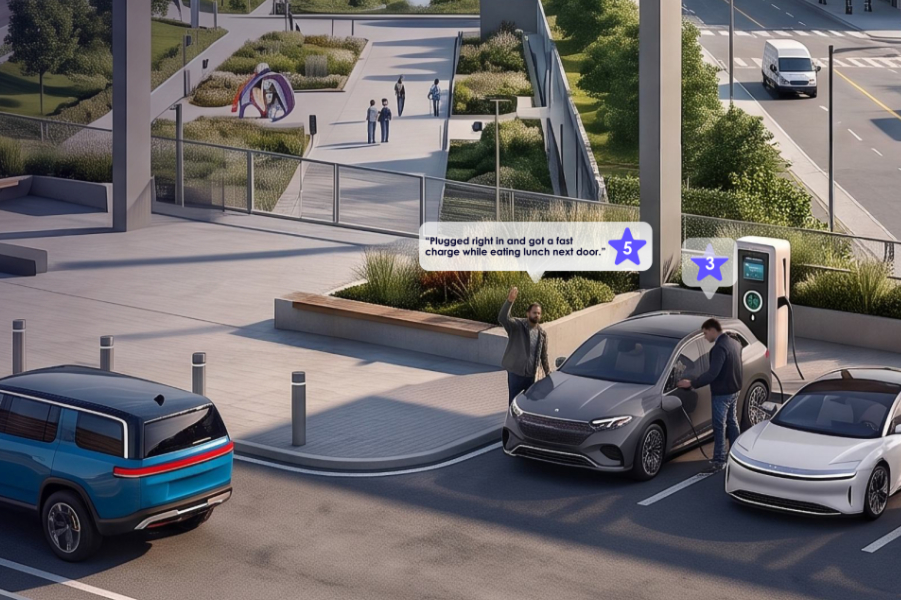
Some 91% of electric vehicle drivers across North America and Europe would take a detour to reach a charging station recommended by another driver, new research from Driivz has found.

Some 91% of electric vehicle drivers across North America and Europe would take a detour to reach a charging station recommended by another driver, new research from Driivz has found.

The charging software supplier surveyed more than 3,000 drivers for its study, and found that three quarters (76%) of EV drivers would avoid a particular charging network entirely based on a warning from friends or family.

Elsewhere, more than half (55%) of respondents said that they would travel more than five minutes out of their way to find a recommended charging station.

A broader question

EV charging has become much more than a question of where the nearest charger is located,” commented Shiri Levi-Laor, CEO of Driivz.

“Drivers are no longer just asking ‘where is a charger?’ They’re asking ‘is there a charger I can rely on?’ and increasingly, they’re trusting each other for the answer rather than relying on traditional navigation tools.”

Other findings from the study include that a third (33%) of drivers said that specialist charging apps were among their ‘most trusted’ sources of information, while 32% trusted friends or family who drive EVs and 27% put their faith in satellite navigation and mapping applications.

It found that when drivers have a poor experience at a charging location, they are more likely to tell others about it, with 79% saying that they would warn friends or family following a poor charging experience, while 76% would report a problem through a charging app and 65% would leave an online review.

At the same time, 42% would be likely to talk about a charging session that exceeded their expectations.

‘Building trust’

“Reliable charging experiences build trust, and trust increasingly drives recommendations, reviews and future charging decisions,” Levi-Laor added.

“For operators, that creates a direct line from operational performance to customer loyalty, and ultimately, to long-term network utilisation and profitability.” Read more here.

Discover more from Sustainability Online

Subscribe now to keep reading and get access to the full archive.

Continue reading