Over six in ten young people aged 13 to 29 are more worried about biodiversity loss than they were three years ago, a new global study by children’s rights organisation KidsRights has suggested.
In addition, among respondents aged 18 years or over, more than half said that biodiversity loss was already affecting their lives and influencing major life choices, such as whether to have children.
The State of Youth Global Preferendum, which was conducted by Glocalities, surveyed close to 2,200 young people in Brazil, China, Colombia, Ethiopia, Germany, Kenya and the US, while a separate open survey received over 10,500 respondents across 77 countries.
The research was published to coincide with the COP17 biodiversity conference in Yerevan, Armenia.
‘Meaningful participation’
“The question is no longer whether young people care about nature,” commented Marc Dullaert, founder and chairman of KidsRights. “The question is what stands between them and meaningful participation.
“Young people have given us a very clear answer. They need resources, and they need to be taken seriously. Governments arriving in Yerevan have an opportunity to act on both.”
The study uncovered a notable gap between young peoples’ expectations and their confidence in governments to address the problem – more than half said governments have the greatest responsibility for tackling biodiversity loss, but fewer than one-third trusted them to lead effectively. In the open survey, trust in government was as low as 13%.
Almost all respondents (97%) said they wanted to contribute to protecting biodiversity, but feel they need more support and resources to turn their ideas into action. Close to eight in ten respondents were confident that they can make a ‘real difference’ in turning the tide on biodiversity loss.
Priority areas
In terms of the priority areas they would like to see governments address, more than two-thirds wanted stronger biodiversity and environmental rules that are properly enforced, while over half called for greater protection of natural areas and for sustainable choices to become easier and more affordable.
Around two thirds (38%) would like to see greater youth involvement in government decision-making.
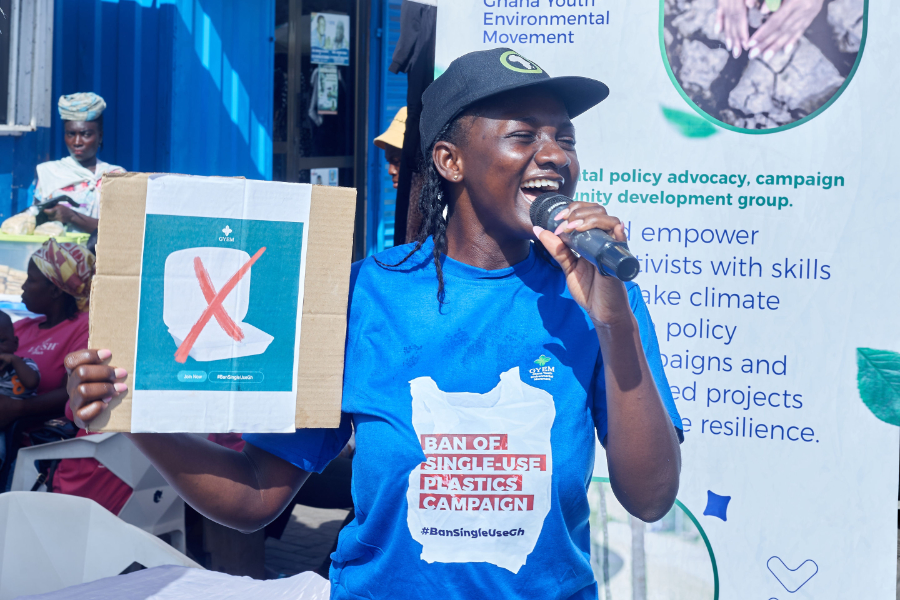
“Through our Sowing the Seeds of Change programme, we want to enable grassroots action by giving youth-led organisations the practical training and resources they need to turn their ideas into action for biodiversity,” Dullaert added.
“We hope this can set a precedent for supporting young people to lead change in their own communities.” Read more here. Main photo by Wilde Ganzen.