Air quality in major urban centres in South Asia and Southeast Asia remained poor in January 2025, new data from the Copernicus Atmosphere Monitoring Service (CAMS) has found.
According to the data, high levels of fine particulate matter (PM2.5) pollution contributed to widespread haze in Pakistan, northern India, Bangladesh and Nepal, particularly in densely-populated urban areas.
‘Intensity and persistence’
“Episodes of severe air pollution like those observed across South Asia this January are not uncommon during winter,” commented Laurence Rouil, director of the Copernicus Atmosphere Monitoring Service. “However, the intensity and persistence of such events underscore the importance of continued atmospheric monitoring.
“Understanding the contributing factors, including seasonal conditions and emissions, is crucial for assessing their impact on air quality and designing efficient mitigation measures to reduce harmful impacts on public health.”
As CAMS noted, the burning of agricultural residue and waste, along with industrial and transport emissions are among the main sources of PM2.5 pollution in the region.
Since the beginning of January, CAMS forecasts have consistently shown high surface concentrations of PM2.5 and other pollutants across the Indo-Gangetic Plain. Several areas recorded prolonged periods of PM2.5 levels exceeding 100 µg/m³, raising concerns over potential health impacts.
Bertrand Bessagnet, coordinator of the Air quality Action Area, from the International Centre for Integrated Mountain Development (ICIMOD), added that transboundary air pollution is a “huge issue” in the Indo-Gangetic Plain and Himalayan foothills, which “can only be tackled through international cooperation.”
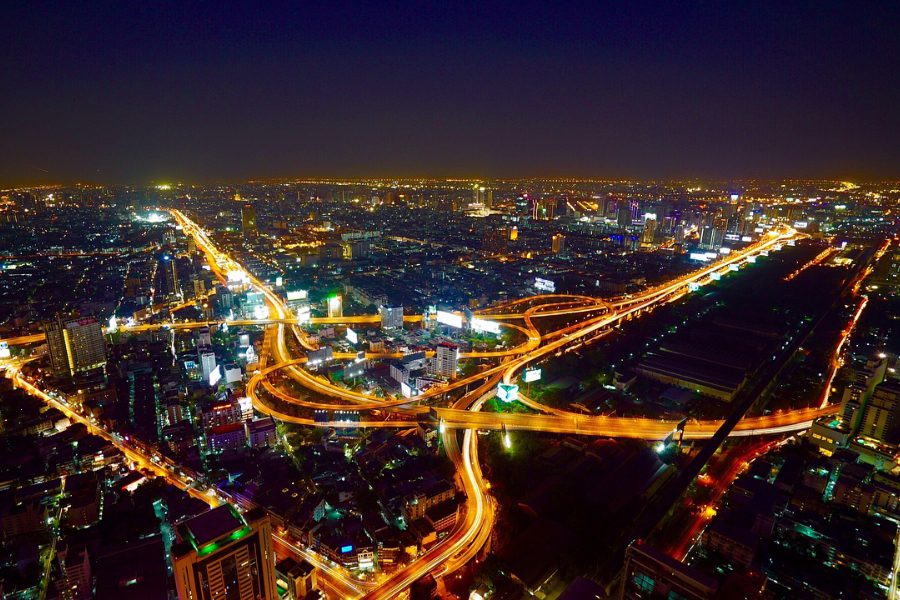
In Thailand’s capital, Bangkok (pictured), meanwhile, persistent PM2.5 pollution reached hazardous levels, prompting authorities to close schools and introduce free public transportation in an effort to reduce emissions.
Environmental risk factor
The recent State of Global Air 2024 report stated that air pollution is the leading environmental risk factor contributing to poor health in the Central, South and Southeast Asian regions.
‘Residents across the three regions are routinely exposed to levels of air pollution above the guidelines set by the World Health Organization, yet there is limited funding to improve air quality across the regions,’ according to CAMS.
According to the WHO, guidelines on air quality, daily averages of PM2.5 should not exceed 15 μg/m3 to limit their impact on human health. Read more here.