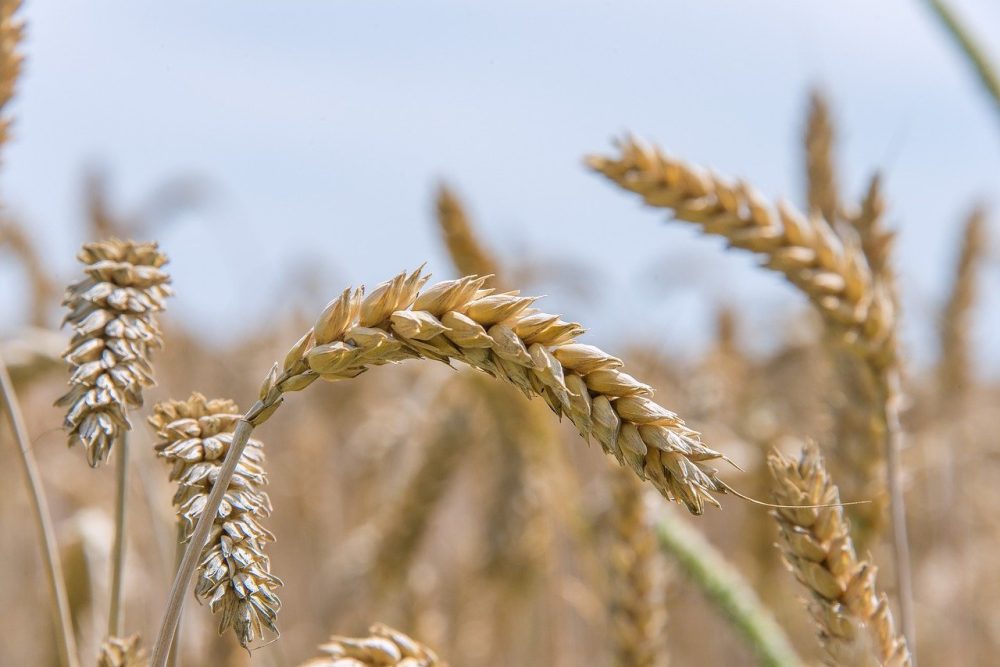
A new initiative, ‘Pro-Wild’, has been launched to preserve and document the wild relatives of popular crops, including wheat, sugar beet, and oilseed rape, to better protect the food industry from climate change.
Pro-Wild, which is short for ‘Protect and Promote Crop Wild Relatives’, seeks to take advantage of the genetic diversity of wild relatives to enable the breeding of better-adapted crops, and promote sustainable agriculture.
Focus areas
The project runs from 2024 to 2029, and will address three core areas. The first is ‘in-situ conservation’, which involves mapping, characterising, and protecting crop wild relatives in their natural habitats.
The second is ‘ex-situ conservation’, aimed at propagating, conserving, and cataloguing said crop relatives outside their natural environments to ensure the preservation of their genetic material. Finally, the project will entail pre-breeding activities, which focus on identifying desirable traits in these crops and integrating these traits into elite breeding programs to improve the genetic diversity and resilience of cultivated crops.
‘Maintaining resistance’
‘The ultimate goal of “Pro-Wild” is to improve the adaptability of wheat, sugar beet, and oilseed rape to changing of the climate conditions while maintaining resistance to pests and diseases and improving end-use quality,’ INRAE, the French National Research Institute for Agriculture, Food and the Environment, which is coordinating the project said in a statement.
‘By reintegrating the genetic diversity of wild relatives, the project aims to enhance the sustainability and security of agriculture in Europe and beyond, with project partners in Turkey and Israel.’
The project commenced at the start of September with a meeting held in Clermont-Ferrand, France, where representatives from 19 international partner institutions convened to outline the project’s roadmap and collaborative efforts.
The project is funded by the European Union as part of the Horizon Europe program, with additional support from UK Research and Innovation (UKRI) and the Swiss State Secretariat for Education, Research and Innovation (SERI). Learn more here.