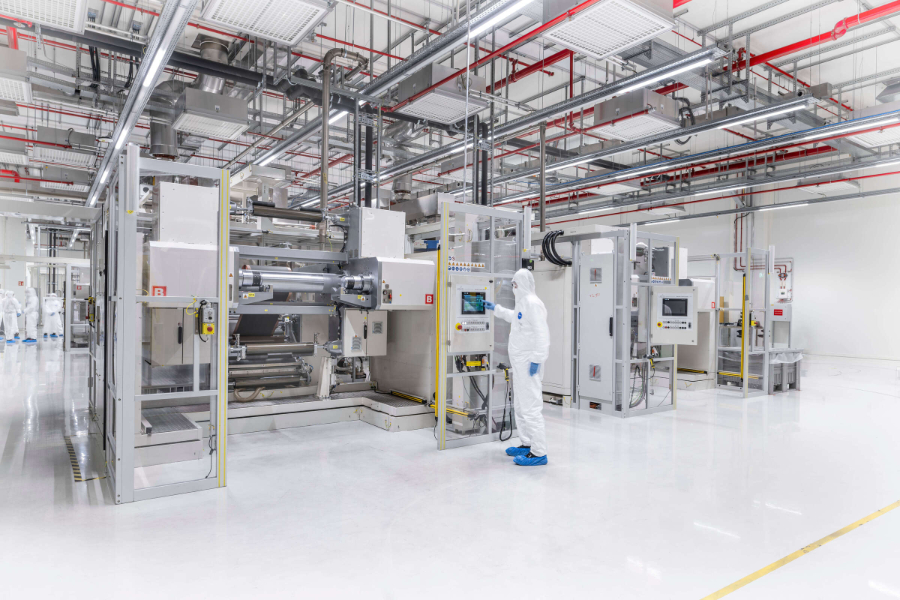
Repsol has announced that it has commenced the large-scale production of 100% renewable fuels at its facility in Puertollano, Spain, with the launch of a new unit dedicated to producing fuels from renewable sources.
The facility has the capacity to produce around 200,000 tonnes of renewable fuels per year, in addition to the 250,000 tonnes of renewable fuels produced annually at its facility in Cartagena.
‘Another step forward’
“The start of production at this plant marks another step forward in Repsol’s commitment to liquid fuels from renewable sources, as well as in the transformation of our complex, with the aim of positioning it as a leading industrial hub in the circular economy and renewable fuels,” commented Antonio Lorenzo, director of Repsol’s industrial complex in Puertollano.
The energy firm has invested more than €130 million in the project, which saw it convert a refinery unit that processed fossil-based raw materials into a facility capable of processing used cooking oil and other waste from the agri-food industry.
As it noted, the renewable fuel produced at the facility – in this case renewable diesel – will be used in cars, trucks and shipping, leveraging existing refuelling infrastructure and saving approximately 700,000 tonnes of carbon dioxide emissions each year.
The project “is one of the most ambitious undertaken in recent years at the Puertollano industrial complex and demonstrates Repsol’s commitment to industry, the creation of quality jobs, and solutions that help strengthen Spain’s energy independence,” Lorenzo added.
Renewable hydrogen
Repsol added that it has also invested €16 million to integrate renewable hydrogen production into the site – with the hydrogen used in the renewable diesel production process generated using biogas from waste instead of natural gas. This will reduce the carbon footprint of the diesel produced by up to 98% compared with mineral-based fuel.
Over the past five years, the company has invested close to €800 million in various projects at the Puertollano site, it noted. Read more here.