Snack maker pladis, which owns the McVitie’s, Ülker, and Godiva brands, said that it cut 21,000 tonnes of carbon from its operations last year, as it seeks to accelerate its sustainability efforts.
The company said that it is making ‘good progress’ against its sustainability targets on decarbonisation, plastic packaging and responsible sourcing, many of which conclude this year.
On packaging, pladis said that 90% of all its plastic packaging globally is now recycle-ready, while in terms of food waste, it repurposed 400 tonnes of food waste in the US last year.
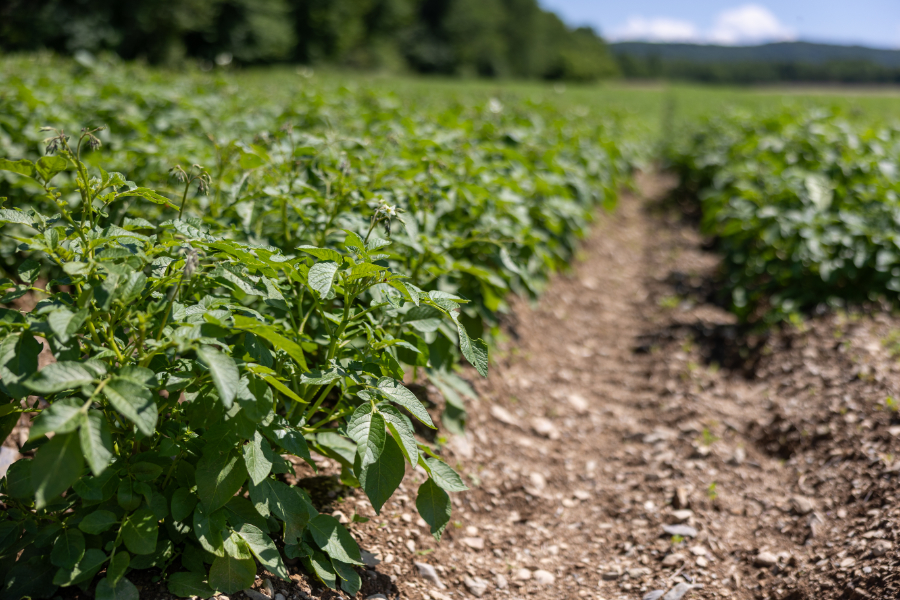
pladis is also investing in its supply chain, training nearly 1,700 farmers in regenerative agricultural practices in Côte d’Ivoire, and introducing satellite technology to support deforestation-free cocoa sourcing.
‘Accelerated journey’
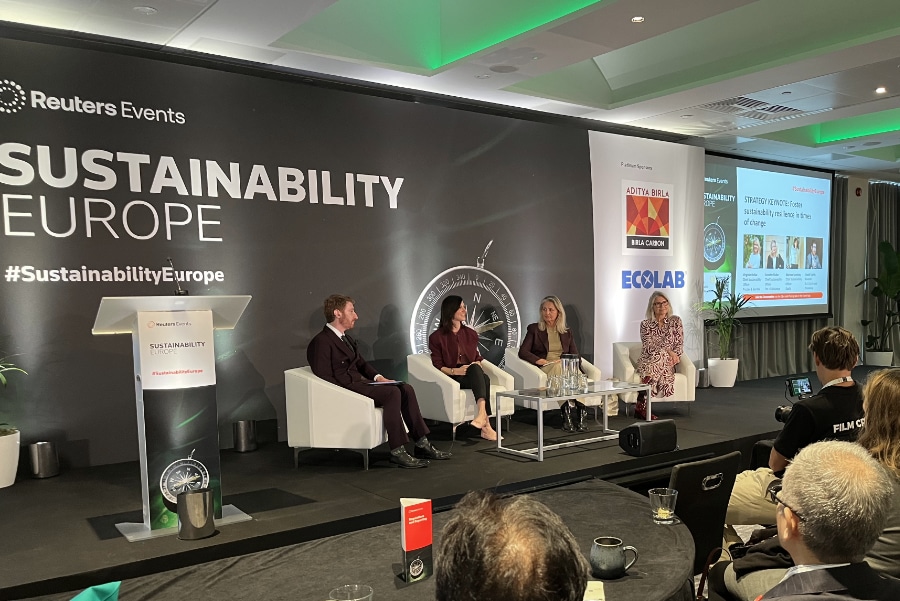
“People know us for our brands but what that they might not know is our company is still extremely young – nine years old in fact,” commented pladis’ chief sustainability and corporate affairs officer, Anisa Missaghi.
“That means we’ve been on a very accelerated sustainability journey, to create plans and programmes that build our resilience and those of the communities and suppliers we work with.”
Health and wellbeing has been another focus of the firm, which launched a 30% less sugar version of its popular McVitie’s Digestive last year, as well as rolling out healthier snack bars under its Go Ahead brand in Türkiye.
In terms of social sustainability, pladis has increased its investment in people and employment initiatives. In Egypt, for example, the EmpowerHER programme has sought to increase female participation in factory settings.
‘More ambitious and more granular’
“In 2024, our approach to sustainability became simultaneously more ambitious and more granular,” Missaghi added. “So we started to map a sustainability approach and strategy beyond our existing commitments and to dig deep into the detail to embed science-based sustainability targets and rigorous reporting into everything we do.
“It’s through this greater ambition, attention to detail and transparency, that we’ll deliver long-term change and resilience in a world of complex global supply chains and challenges.” Read more here and here.