Ongoing supply chain disruption – of which the Iran conflict is the latest chapter – could prompt greater investment in sustainable food production in the coming years, according to Ecovia Intelligence.
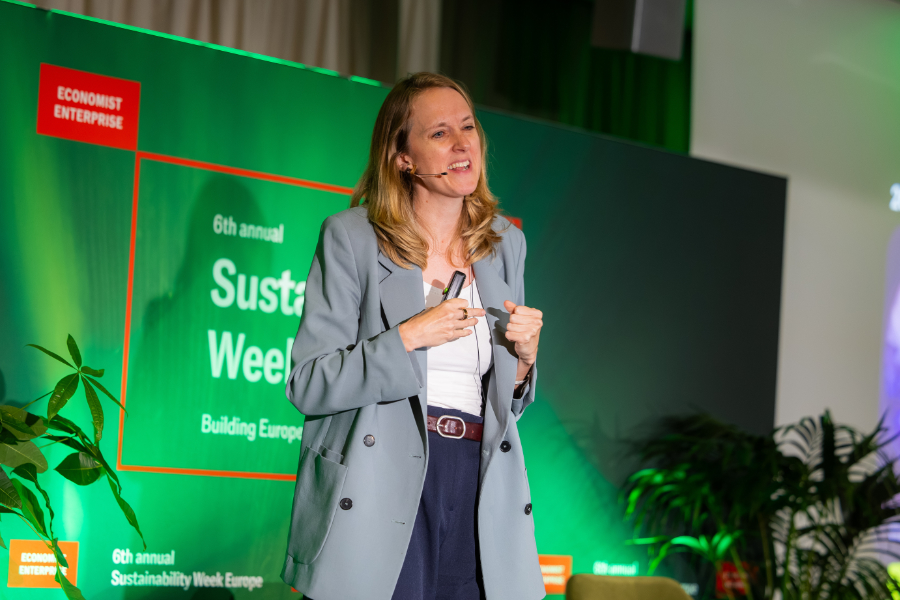
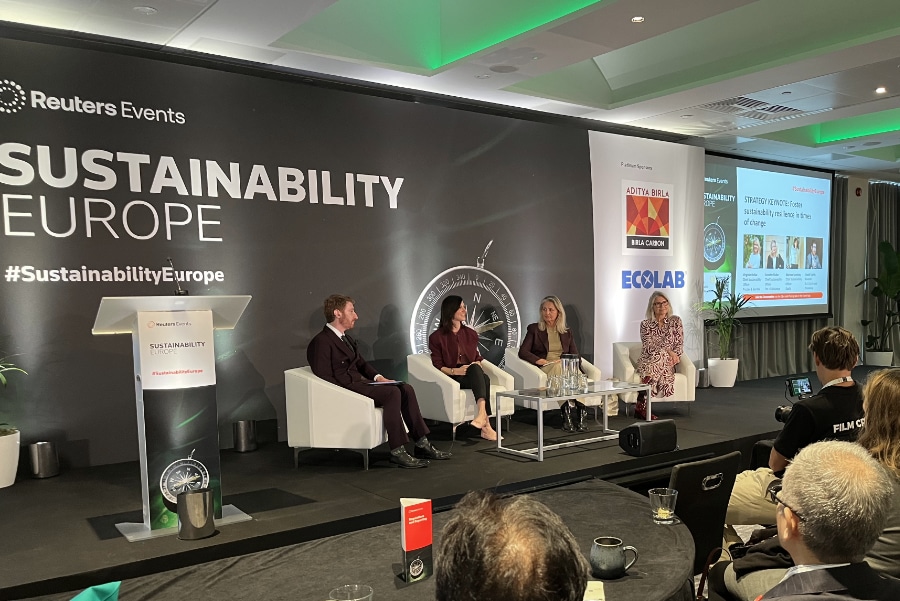
The research and consulting firm made its assessment ahead of the European edition of the Sustainable Foods Summit, which takes place in Amsterdam on 18 and 19 June, where next-generation food innovation is set to be among the key discussion points.
Supply chain challenges
Recent events such as the COVID-19 pandemic, climate change, the war in Ukraine, tariffs and changing regulations have led to significant price fluctuations and supply chain challenges.
The current conflict, meanwhile, has led to a significant spike in fertiliser prices, with approximately one quarter of globally traded fertiliser typically passing through the Strait of Hormuz. European farmers are paying around 50% more for fertiliser than they did a year ago, according to Ecovia Intelligence.
‘Organic farmers are less reliant on synthetic fertilisers and are therefore less exposed to these price increases,’ it noted. ‘Research also suggests that organic farms have lower energy inputs than conventional farms. As a result, the Iran War could narrow the price gap between organic and conventional foods. The previous major geopolitical conflict, the Ukraine war, led to similar increases in fertiliser, feed, and energy costs; consequently, the price premium for organic milk and other products narrowed significantly in 2022.’
Consumer demand
At the same time, however, consumer demand for organic and sustainable food products is likely to remain subdued for the moment, due to cautious household spending as a result of rising fuel, energy and grocery costs. The previous geopolitical conflict – Russia’s invasion of Ukraine in 2022 – led to organic food sales falling by around 2% in Europe.
Looking beyond the immediate impact of the current crisis, Ecovia Intelligence anticipates that consumers will increasingly value food provenance and traceability.
‘There is also likely to be increased emphasis on sustainable and regional production as consumers seek to support their local and rural economies,’ it noted. ‘Ecovia Intelligence also expects food companies and retailers to increase their investment in sustainable production methods, such as regenerative agriculture. By becoming more directly involved in farming, operators can reduce the risks associated with supply chain disruption.’
It noted that major food producers such as Nestlé, Unilever, Danone, and Barilla, are already investing in regenerative agriculture programmes aimed at improving long-term sustainability and reducing supply chain risks.
More information about the Sustainable Foods Summit is available at www.sustainablefoodssummit.com/europe. Read more here.