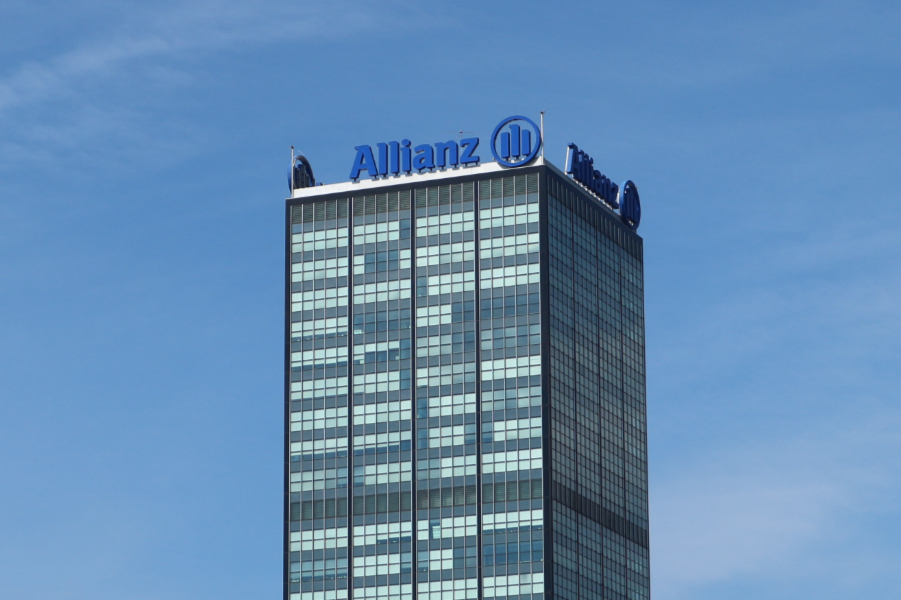
The European Consumer Organisation (BEUC) has claimed that more than 75% of Allianz‘s sustainable investment funds are linked to investments in maintaining or expanding fossil fuel activities.
The BEUC called on Allianz to urgently review its marketing of sustainable investment products, adding that its findings illustrate an ‘industry-wide problem’ for consumers looking to invest sustainably – that ‘many products marketed as “sustainable” are in fact quite the opposite’ It added that such practices could be considered misleading under the EU’s Unfair Commercial Practices Directive.
Allianz firmly rejected the BEUC’s claims, saying in a statement, “We hold ourselves to the highest standards when it comes to informing customers accurately about our promises and how we deliver on them. We are reviewing the BEUC’s allegations and so far find them unfounded.
“This raises our concern that consumer protection law is being distorted and wrongly applied, with the potential effect of misleading the very customers whose interests this organisation purports to protect.”
‘Easier said than done’
Commenting on its findings, Agustín Reyna, director general, BEUC, said, “Many consumers are looking to invest or save for retirement in a sustainable way. Unfortunately, our research shows this is easier said than done and it’s an industry-wide problem. Many ‘green’ funds are investing in fossil fuels. It’s like advertising a cake full of sugar as ‘healthy’.
“Greenwashing undermines trust and can cost consumers money if they then try to sell on these products. It also diverts funds away from sustainable sectors into planet-harming activities. This is why we are asking Allianz to revise its practices and ensure that consumers who want to invest sustainably can do so in confidence.”
Sustainable investment
A BEUC consumer survey undertaken last year found that more than two fifths (40%) of consumers would consider investing sustainably, but close to a third are unsure about doing so, mainly due to mistrust in green claims.
The group has also highlighted weaknesses in the EU’s Sustainable Finance Disclosure Regulation (SFDR), which it says allows products marketed as sustainable to invest in activities such as coal mining and drilling for oil.
The research was conducted by BEUC and five of its member organisations: Asufin, CECU, the Lithuanian Consumers Alliance, Sveriges Konsumenter, and Tudatos Vásárlók Egyesülete. Read the full report, Selling sustainability: How sustainable investments can breach consumer law, here.