With millions of online purchases zipping their way to homes across the world over the holiday season, consumer fears over the sustainability impact of said deliveries are often unfounded, according to Breda University of Applied Sciences (BUas).
“There’s always room for improvement, but delivery shame isn’t necessary,” comments Hans Quak, professor of smart cities and logistics at BUas. “Current delivery systems are often more efficient and sustainable than individual store visits.”
Zero-emission vehicles
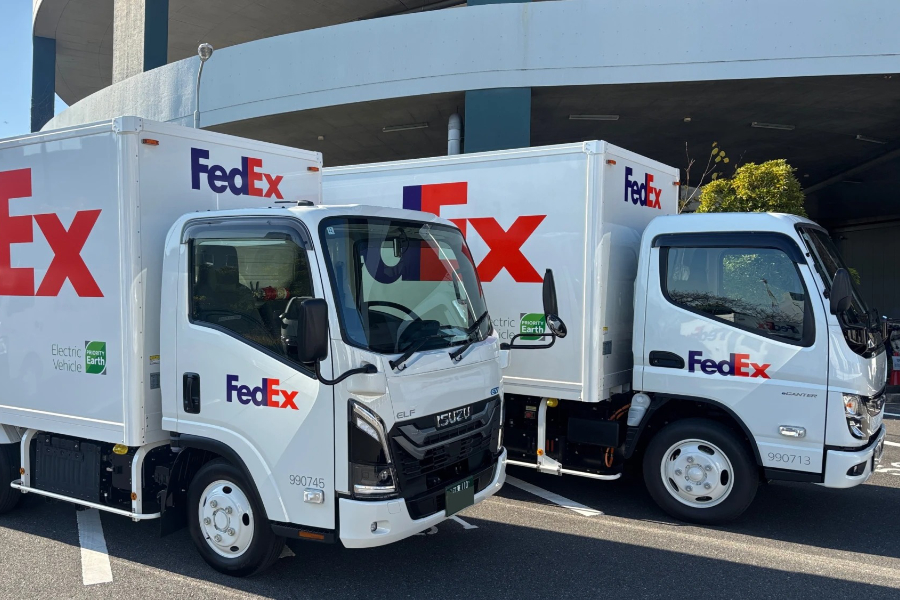
He points to the use of zero-emission vehicles by many delivery services, which produce less CO₂ than individual car trips to stores.
In addition, utilising pick-up points can also ease logistic pressures and reduce environmental impacts.
Consumers who are well-informed about the environmental benefits of these options are more likely to choose them, Quak adds.
“The main problem isn’t the delay itself but incorrect information, which unnecessarily damages the delivery sector’s reputation,” he says.
Peak periods
Peak days, such as Black Friday and Cyber Monday, and particularly in the run up to Christmas, put pressure on delivery systems, especially with challenges linked to last-mile deliveries, including inefficient routes, staff shortages, and rising energy costs. These issues often lead to delays and frustrations among consumers, however here too, sufficient information from delivery firms can help to reassure consumers.
As to the current holiday period, Quak urges consumers and businesses to work together to make the shopping season more sustainable.
“Even with so-called ‘free’ deliveries, there’s always a cost somewhere. For a truly positive impact, consider walking or cycling to a local store,” he says. “If you choose online shopping, using pick-up points helps reduce pressure on the delivery network.”
Looking ahead, Quak envisions a system where recipients can easily select preferred delivery times and locations, with customised rates for fast home delivery versus pick-up options. Read more here.